
Oversized cargo
Review cargo dimensions against flat-rack, open-top or breakbulk options.
Coordinate oversized, heavy or unusual cargo with dimensions review, equipment selection, loading plans, permits and route-specific destination handling.
Best for machinery, industrial equipment and project cargo that cannot use a standard container path.
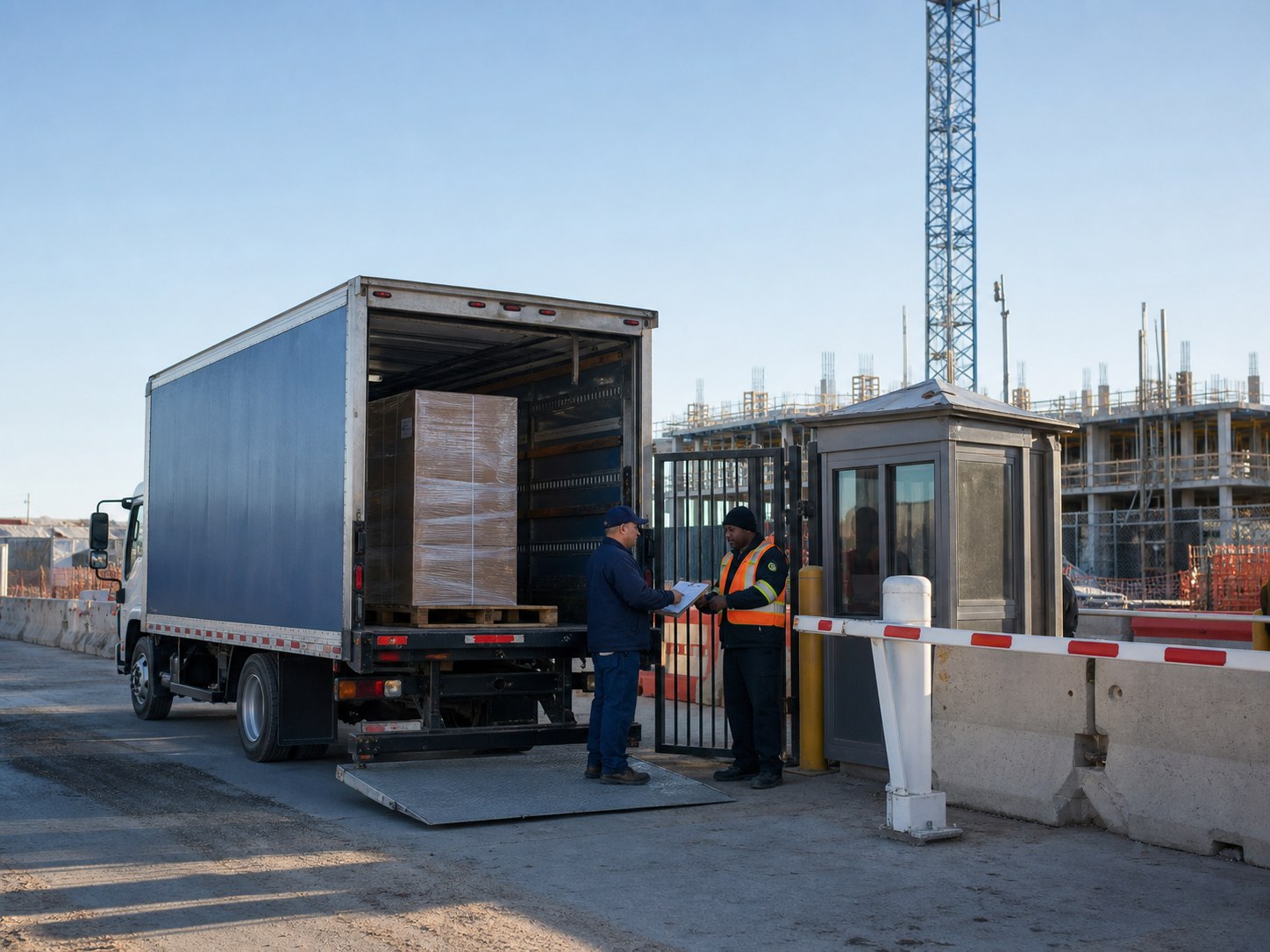
Cargo may need OOG planning when its packed dimensions, weight, lifting points or handling requirements exceed standard equipment limits.
Packed dimensions, verified weight, center of gravity, lifting points, drawings, photos and both-site access determine whether flat rack, open top, breakbulk or another method is realistic.
Review cargo dimensions against flat-rack, open-top or breakbulk options.
Confirm gross weight, center of gravity, lifting points and equipment capacity.
Coordinate supplier schedule, loading, main transport and site-delivery constraints.
The final method depends on cargo geometry, port capability, vessel service and inland access.
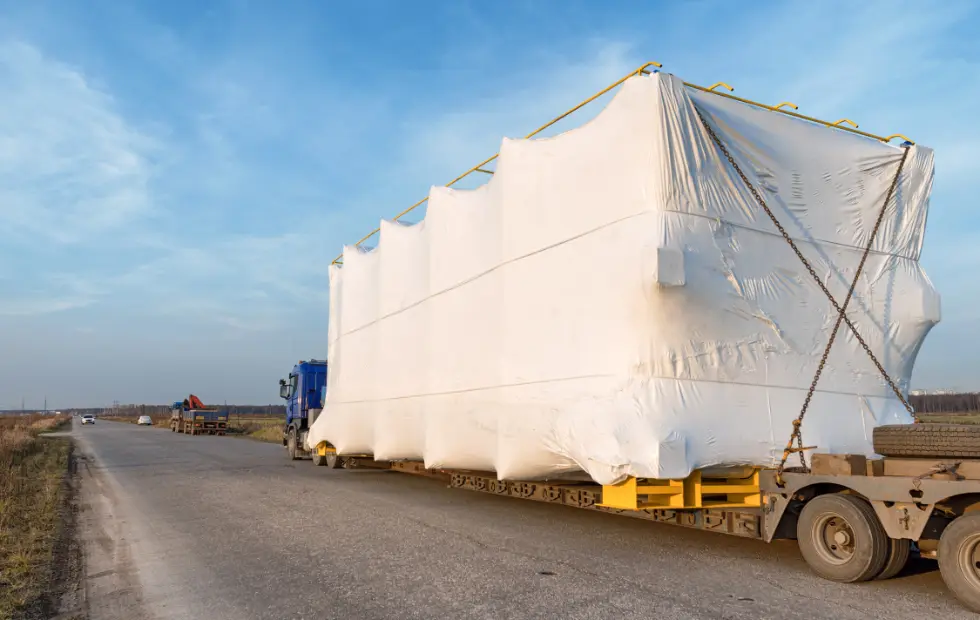
For cargo that exceeds standard container height or width limits.

For units that need lifting, lashing or vessel-specific handling.
For multiple units, phased readiness or delivery-site constraints.

Project freight needs technical data before equipment and routing can be confirmed.
Review technical drawings, packed dimensions, weight and lifting information.
Compare equipment, port, vessel, terminal and inland-route capability.
Plan loading, lifting, blocking, bracing and lashing responsibilities.
Coordinate permits, surveys and supervision when required by the route.
Track supplier readiness, dispatch phases and critical project milestones.
Plan destination discharge, inland transport and final-site access.

The Shenzhen team supports China-origin project cargo, with other Asian origins reviewed through qualified branch and partner offices.
Factories and industrial origins across China connected to suitable ports, yards and loading facilities.
Vietnam, Indonesia, Thailand, Malaysia, Singapore, Japan, South Korea, Myanmar and other reviewed project origins.
Port, inland and project-site delivery plans are reviewed against destination capability and local restrictions.
No equipment or route should be assumed until packed cargo data and lifting requirements are reviewed.
Provide drawings, dimensions, weight, photos, value, lifting points and ready date.
Compare equipment, port, loading, lashing, permits and destination access.
Confirm responsibilities, survey or supervision needs and booking conditions.
Coordinate loading, main transport, destination handling and site delivery.
A small change in packed dimensions or weight can change the equipment, permits, vessel and inland route.

Packed dimensions and verified gross weight are mandatory starting points.
Technical drawings should match the final packed cargo, not only the unpacked machine dimensions.
Flat racks, open tops, breakbulk or other special methods may be considered only after technical cargo and route review.
Yes where available, with the required method, materials, supervision and documentation stated in the written scope.
Yes for reviewed routes. China is the primary market, with wider Asian origin support through suitable partners.
Yes. They can follow one project schedule and reporting plan even when different equipment, sailings or destination handling methods are required.
Send drawings, packed dimensions, verified weight, photos and both locations for an initial project review.