
Turn a China → Australia quote into an end-to-end route plan instead of a port-to-port estimate.
Furniture, building materials and e-commerce inventory are often volume-heavy, so container utilisation and Australian domestic trucking can outweigh small differences in the ocean rate. Ocean planning compares Shenzhen/Yantian, Ningbo, Shanghai and Qingdao depending on supplier location with Sydney/Port Botany, Melbourne, Brisbane or Fremantle according to the final state and carrier service.
Furniture, building materials and e-commerce inventory are often volume-heavy, so container utilisation and Australian domestic trucking can outweigh small differences in the ocean rate. Current carrier schedules, space and market pricing are checked at quotation time rather than presented as a permanent route promise.
Select the China → Australia mode from cargo profile, deadline and receiving plan.
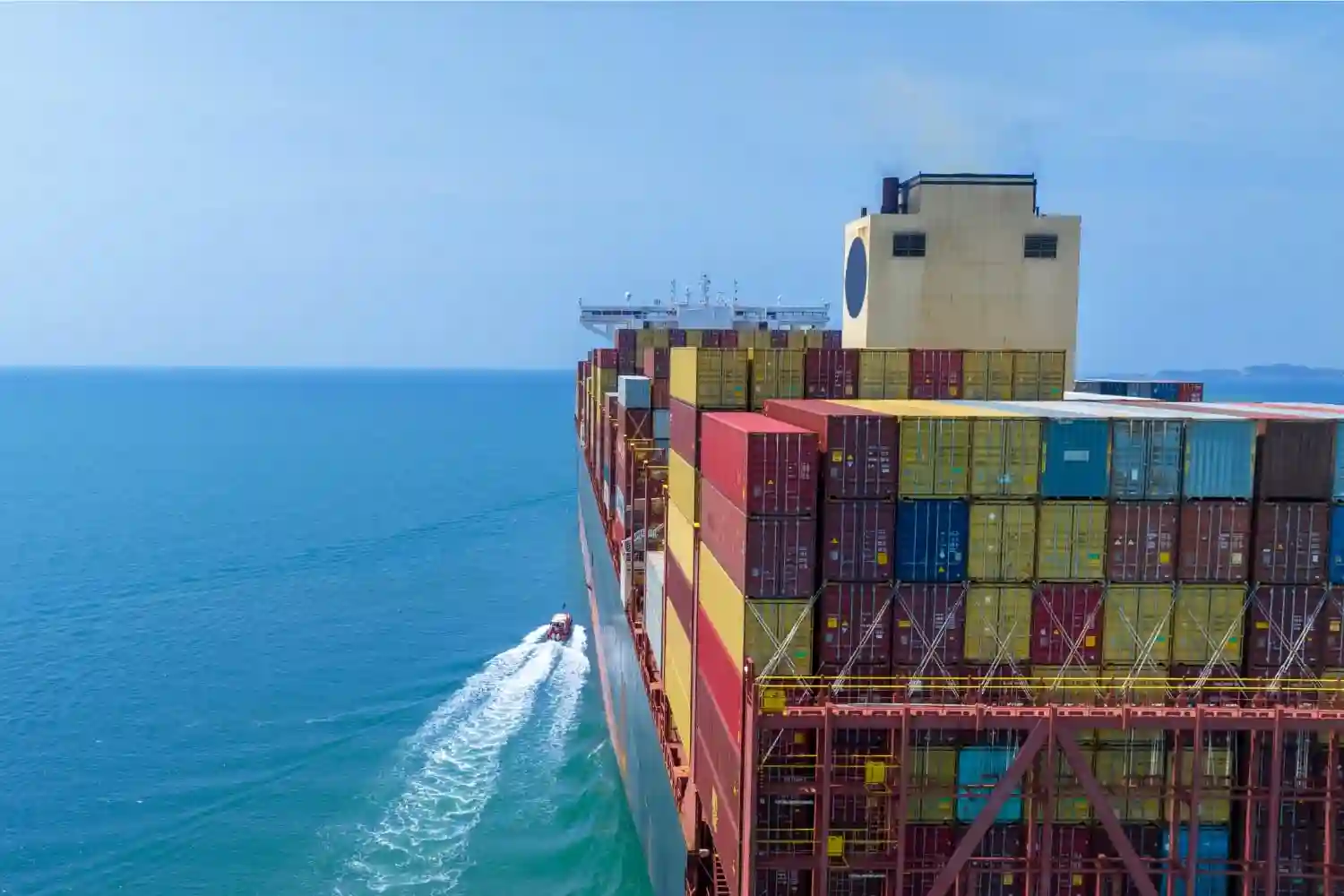 Planned commercial volume
Sea Freight
Sea freight should be priced as a factory-to-receiver chain. The international leg is only useful after origin trucking, terminal cutoff, Sydney/Port Botany, Melbourne, Brisbane or Fremantle according to the final state and carrier service release and the inland delivery are included in the same comparison.
- CompareFCL, LCL and destination charges
- Best forPlanned volume and less urgent cargo
- ConfirmPickup, free time and final delivery
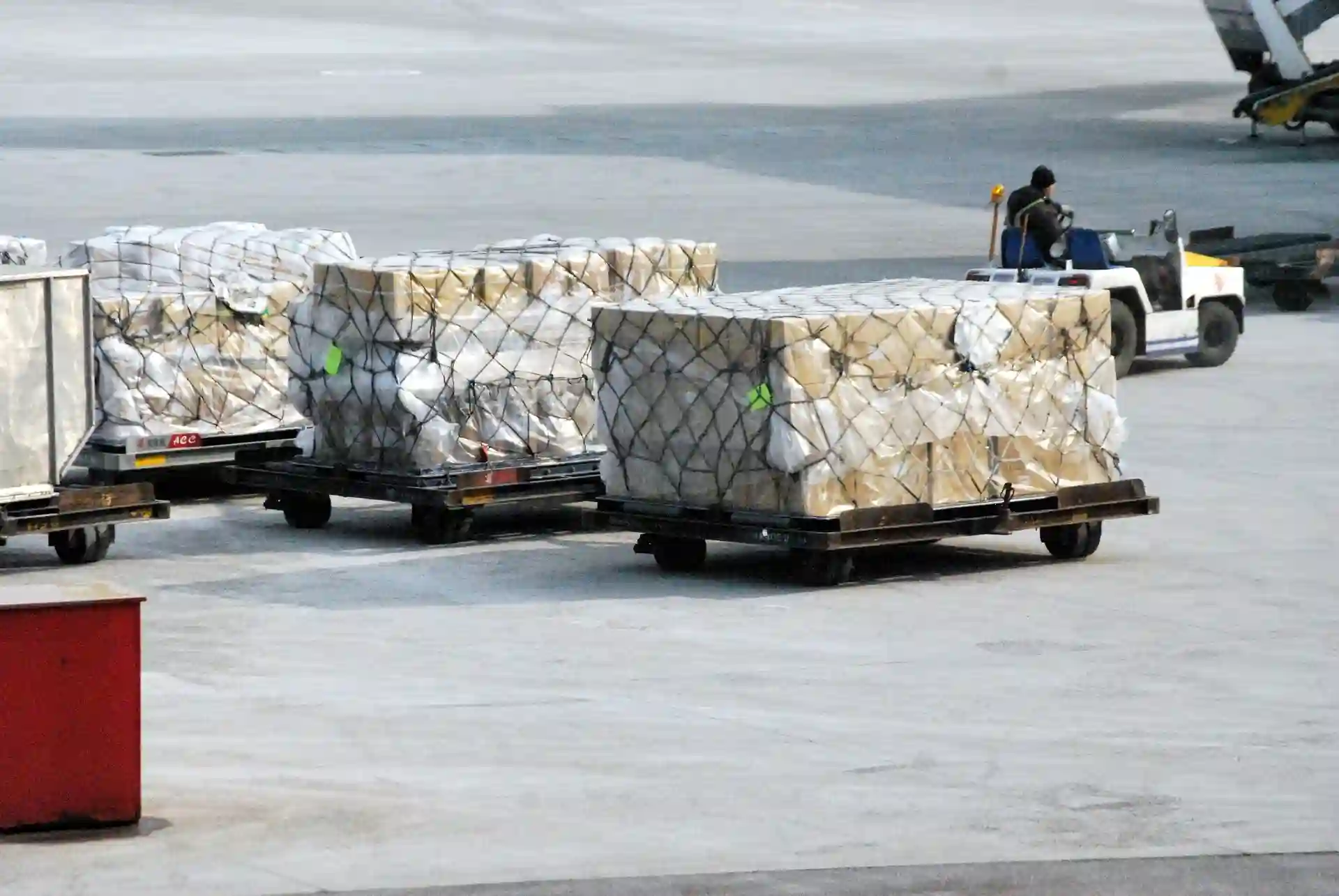 Urgent or higher-value cargo
Air Freight
Air freight uses CAN, PVG, SZX, HKG and route-appropriate China airports against Sydney (SYD), Melbourne (MEL), Brisbane (BNE) and route-appropriate airports. Final dimensions, chargeable weight, cargo acceptance and the actual receiving deadline decide whether the speed premium is justified.
- CompareAirport pair and connection structure
- Best forUrgent, compact or stock-critical cargo
- ConfirmRestrictions and destination terminal
 Connected delivery scope
Door-to-Door
A usable door quote needs the exact consignee address because Australian border/biosecurity release followed by domestic delivery across a potentially long inland distance can be a material part of the route cost and lead time.
- CompareDAP, DDP and excluded charges
- Best forCustomers needing one managed chain
- ConfirmImporter, duty, tax and unloading
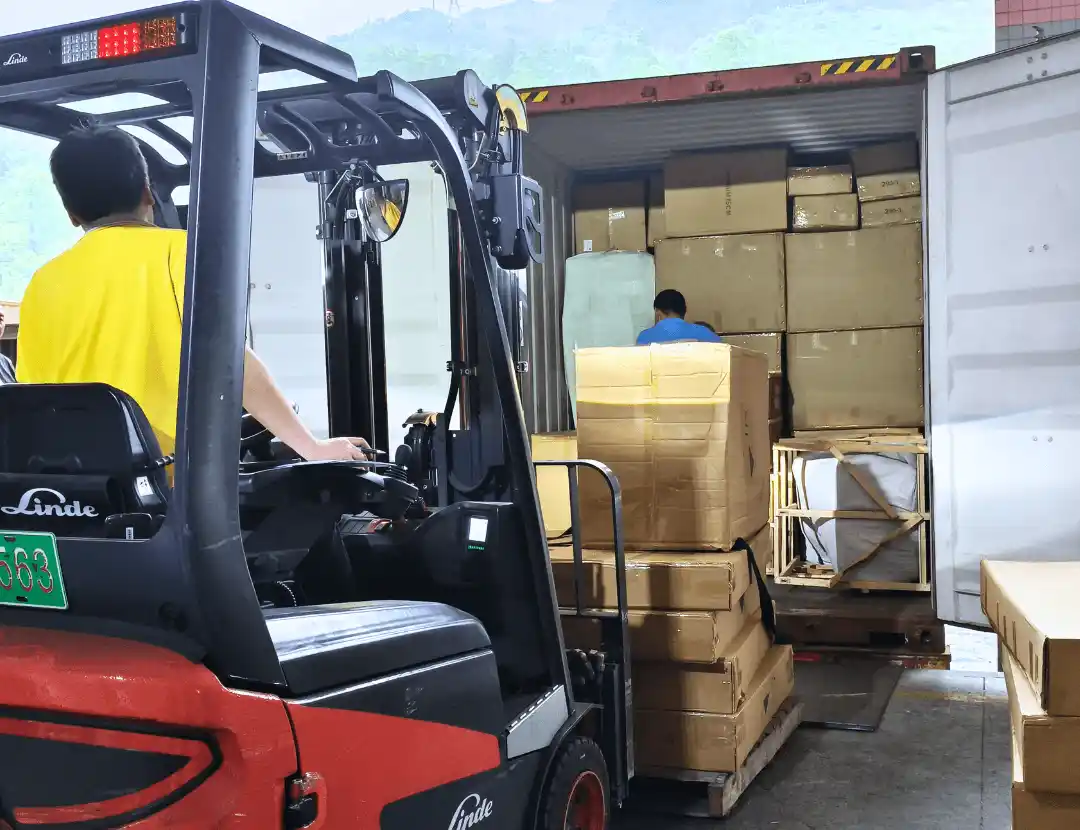 Pickup, warehouse and preparation
Origin Coordination
Origin coordination starts with the supplier cities. Pickup and consolidation are matched to Shenzhen/Yantian, Ningbo, Shanghai and Qingdao depending on supplier location or CAN, PVG, SZX, HKG and route-appropriate China airports before the real cutoff.
- CompareDirect pickup and warehouse release
- Best forSeveral suppliers or preparation work
- ConfirmReceiving, labeling and storage scope
Choose the gateway pair that minimizes total route exposure—not just main freight.
Australia is not one last-mile market. Sydney, Melbourne, Brisbane, Perth and regional destinations can differ by thousands of kilometres, so the destination postcode should drive port and delivery design.
Shenzhen/Yantian, Ningbo, Shanghai and Qingdao depending on supplier location
Ocean origin choice is based on supplier distance, cutoff, container/LCL availability and the sailing structure from Shenzhen/Yantian, Ningbo, Shanghai and Qingdao depending on supplier location.
CAN, PVG, SZX, HKG and route-appropriate China airports
Air origin choice should follow pickup geography, airline acceptance and connection quality through CAN, PVG, SZX, HKG and route-appropriate China airports.
China supplier pickup for Australia
If multiple suppliers are involved, decide whether to wait and consolidate or ship urgent items separately before committing to the international booking.
Sydney/Port Botany, Melbourne, Brisbane or Fremantle according to the final state and carrier service
Sea arrival should be evaluated with terminal release and inland distance from Sydney/Port Botany, Melbourne, Brisbane or Fremantle according to the final state and carrier service to the actual consignee.
Sydney (SYD), Melbourne (MEL), Brisbane (BNE) and route-appropriate airports
Air arrival planning includes terminal recovery, customs status and truck distance from Sydney (SYD), Melbourne (MEL), Brisbane (BNE) and route-appropriate airports to the receiver.
Australian border/biosecurity release followed by domestic delivery across a potentially long inland distance
The quote should explicitly say which party owns each step of Australian border/biosecurity release followed by domestic delivery across a potentially long inland distance.
Define the shipment
Start with supplier city, final Australia address, Incoterm, cargo-ready date and importer identity.
Compare the route
Shortlist the gateway pair: Shenzhen/Yantian, Ningbo, Shanghai and Qingdao depending on supplier location / CAN, PVG, SZX, HKG and route-appropriate China airports in China and Sydney/Port Botany, Melbourne, Brisbane or Fremantle according to the final state and carrier service / Sydney (SYD), Melbourne (MEL), Brisbane (BNE) and route-appropriate airports at destination.
Confirm cargo readiness
Freeze package count, gross weight, CBM, dimensions and product description before carrier space is requested.
Book and prepare export
Coordinate pickup, warehouse work and the real terminal/airline cutoff instead of planning from an estimated vessel departure only.
Monitor the movement
Track departure, transshipment/connection, arrival and customs release as separate milestones so delays are visible early.
Release and deliver
Release and deliver only after the destination party is ready for Australian border/biosecurity release followed by domestic delivery across a potentially long inland distance.
Understand what changes the landed transport cost on China → Australia.
Compare quotes only when they use the same cargo measurements, gateway, customs responsibility and final-delivery scope.
Origin pickup
Supplier distance to Shenzhen/Yantian, Ningbo, Shanghai and Qingdao depending on supplier location or the selected air gateway changes first-mile cost and cutoff risk.
Cargo profile
Cargo density, stackability, dimensions and packaging decide whether LCL, FCL or air has the better total economics.
Transport mode
Gateway choice at Sydney/Port Botany, Melbourne, Brisbane or Fremantle according to the final state and carrier service or Sydney (SYD), Melbourne (MEL), Brisbane (BNE) and route-appropriate airports changes terminal, storage and inland transport exposure.
Carrier and capacity
Direct versus transshipment/connecting service, equipment availability and peak demand are live-market variables, so old average rates are not booking prices.
Customs scope
Australian Border Force requires import declarations for applicable cargo and administers duties/GST; restricted goods and biosecurity controls may involve additional requirements. Confirm classification, customs value, importer/broker and product permissions before departure. Any duty/tax, inspection, permit or broker cost should be separated from pure transportation.
Final delivery
Final-mile cost follows Australian border/biosecurity release followed by domestic delivery across a potentially long inland distance; waiting time, appointment, tail-lift/unloading and difficult access are separate scope questions.
Prepare the Australia import file before cargo leaves China.
Confirm the importer in Australia, classification, commercial documents, product controls, duty and tax responsibility, and delivery-release plan before cargo leaves China.
Importer
Name the legal importer or consignee in Australia before departure. Foresmart can coordinate shipping documents and the broker handoff, but the importer remains responsible for information supplied to destination authorities.
Classification
Use a precise product description and confirm the applicable tariff or commodity code with a qualified customs professional in Australia; classification affects duty, controls and document requirements.
Commercial documents
Align the commercial invoice, packing list, product description, quantities, origin and customs value so the transport file does not contradict the import declaration.
Product controls
Check permits, safety standards, labeling, food or health review, battery declarations and other product-specific controls for Australia before the carrier accepts the cargo.
Duty and tax
Use the Incoterm to define commercial responsibility, then state separately who pays duties and taxes, who appoints the customs broker and who advances destination government charges.
Delivery release
Customs release is only one milestone; the shipment is not operationally complete until Australian border/biosecurity release followed by domestic delivery across a potentially long inland distance is available.
Apply the China → Australia route differently for repeat stock, consolidation and projects.
Importers & Wholesalers
Furniture, building materials and e-commerce inventory are often volume-heavy, so container utilisation and Australian domestic trucking can outweigh small differences in the ocean rate.
Open customer solution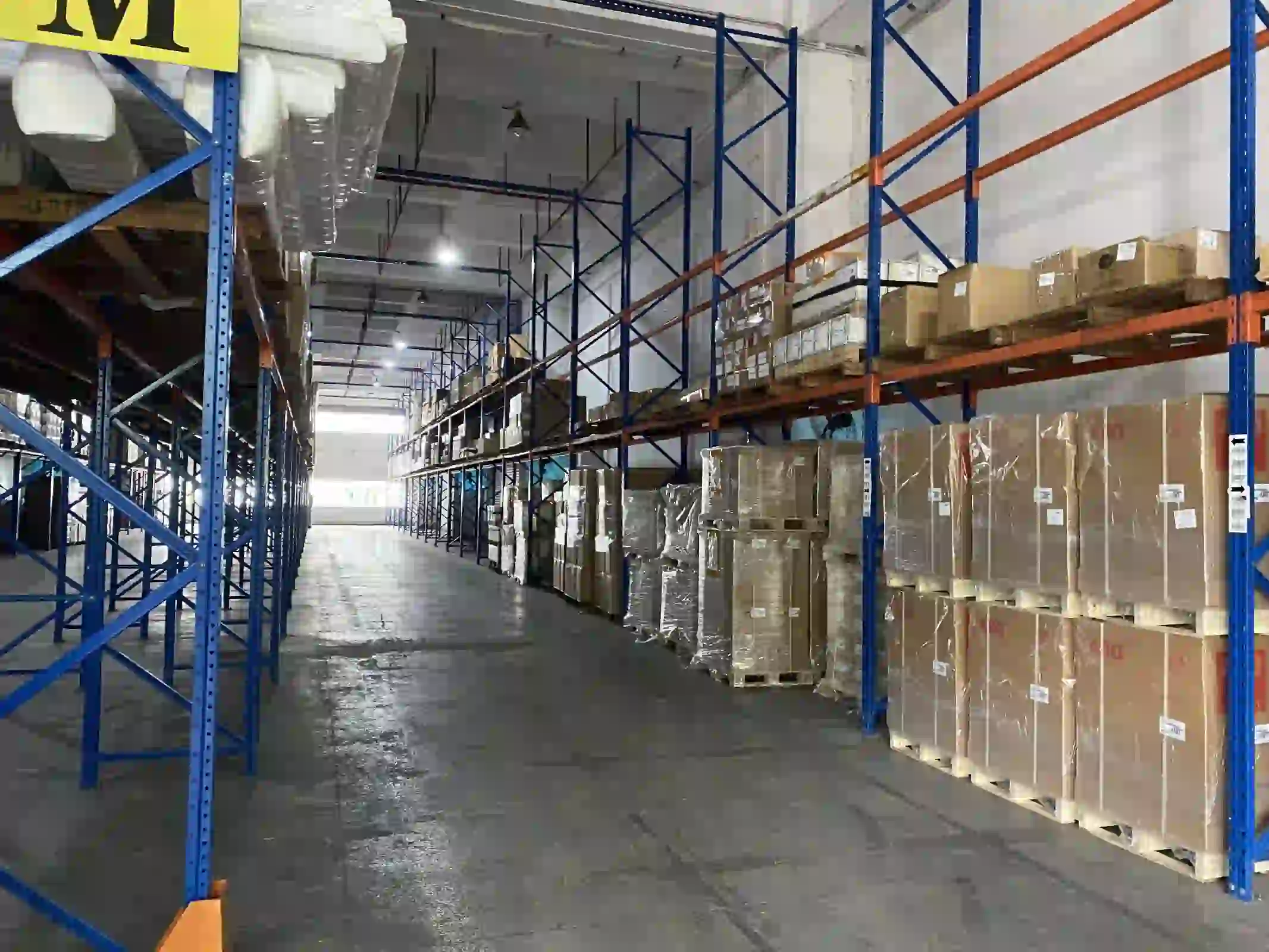
E-commerce & Amazon Sellers
E-commerce replenishment should work backward from stockout date, fulfillment appointment and storage cost before choosing ocean or air.
Open customer solutionMulti-Supplier Buyers
Multi-supplier importers can consolidate in China before the booking so one combined shipment reaches Sydney/Port Botany, Melbourne, Brisbane or Fremantle according to the final state and carrier service or Sydney (SYD), Melbourne (MEL), Brisbane (BNE) and route-appropriate airports under a single destination plan.
Open customer solution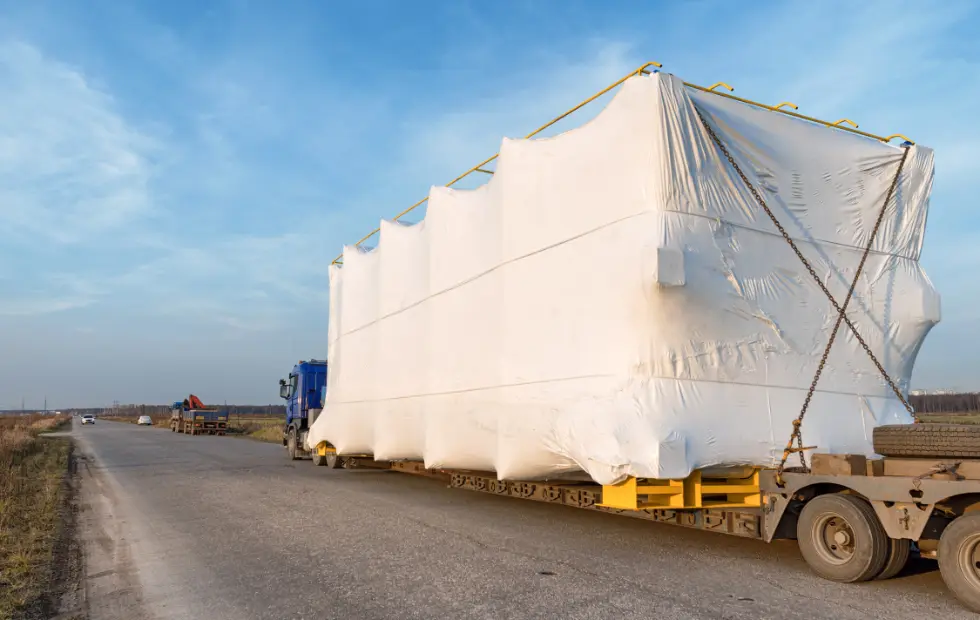
Project Buyers
Project cargo and building-material buyers should identify site access, phased deliveries and non-standard packages before the carrier/equipment choice is fixed.
Open customer solutionQuestions buyers should answer before booking China → Australia.
These answers explain route-planning logic. The live carrier schedule, written quotation and current import rules remain the shipment reference.
Ask About My ShipmentWhich gateway should I use for China → Australia?
Use supplier and receiver geography first. Compare Shenzhen/Yantian, Ningbo, Shanghai and Qingdao depending on supplier location / CAN, PVG, SZX, HKG and route-appropriate China airports with Sydney/Port Botany, Melbourne, Brisbane or Fremantle according to the final state and carrier service / Sydney (SYD), Melbourne (MEL), Brisbane (BNE) and route-appropriate airports and include both inland legs.
Is sea or air better for this China → Australia shipment?
Furniture, building materials and e-commerce inventory are often volume-heavy, so container utilisation and Australian domestic trucking can outweigh small differences in the ocean rate. The decision should use total landed transport cost, chargeable weight/CBM and the business cost of delay.
Can Foresmart arrange delivery after arrival in Australia?
Yes, when the written scope includes Australian border/biosecurity release followed by domestic delivery across a potentially long inland distance. Importer, customs, appointment, unloading and excluded local charges still need to be defined.
What import information is needed in Australia?
Choose the gateway from supplier location and the final Australia receiver, then compare the full pickup-to-delivery scope rather than the international line alone.
What changes the total cost on this route?
Australia is not one last-mile market. Sydney, Melbourne, Brisbane, Perth and regional destinations can differ by thousands of kilometres, so the destination postcode should drive port and delivery design. In addition, origin pickup, terminal charges, mode, customs-related costs and the final inland leg can all change the landed result.
Is the transit time guaranteed?
No. Carrier schedules and flight plans are operational estimates. Supplier readiness, cutoff, transshipment/connection, weather, inspection and final delivery can move the receiving date.
Quote China → Australia from the Chinese supplier to the real Australia receiver.
Provide the supplier city, final Australia address, product, package count, gross weight, CBM/dimensions, Incoterm and cargo-ready date. The route review will compare Shenzhen/Yantian, Ningbo, Shanghai and Qingdao depending on supplier location / CAN, PVG, SZX, HKG and route-appropriate China airports against Sydney/Port Botany, Melbourne, Brisbane or Fremantle according to the final state and carrier service / Sydney (SYD), Melbourne (MEL), Brisbane (BNE) and route-appropriate airports and the final handoff: Australian border/biosecurity release followed by domestic delivery across a potentially long inland distance.