
Choose FCL
For container-sized, higher-volume or sensitive cargo that benefits from dedicated equipment.
Choose FCL, LCL or a consolidated shipment with origin coordination, export handling and destination delivery options matched to the route.
Best for cost-controlled freight when the shipment schedule allows ocean transit.
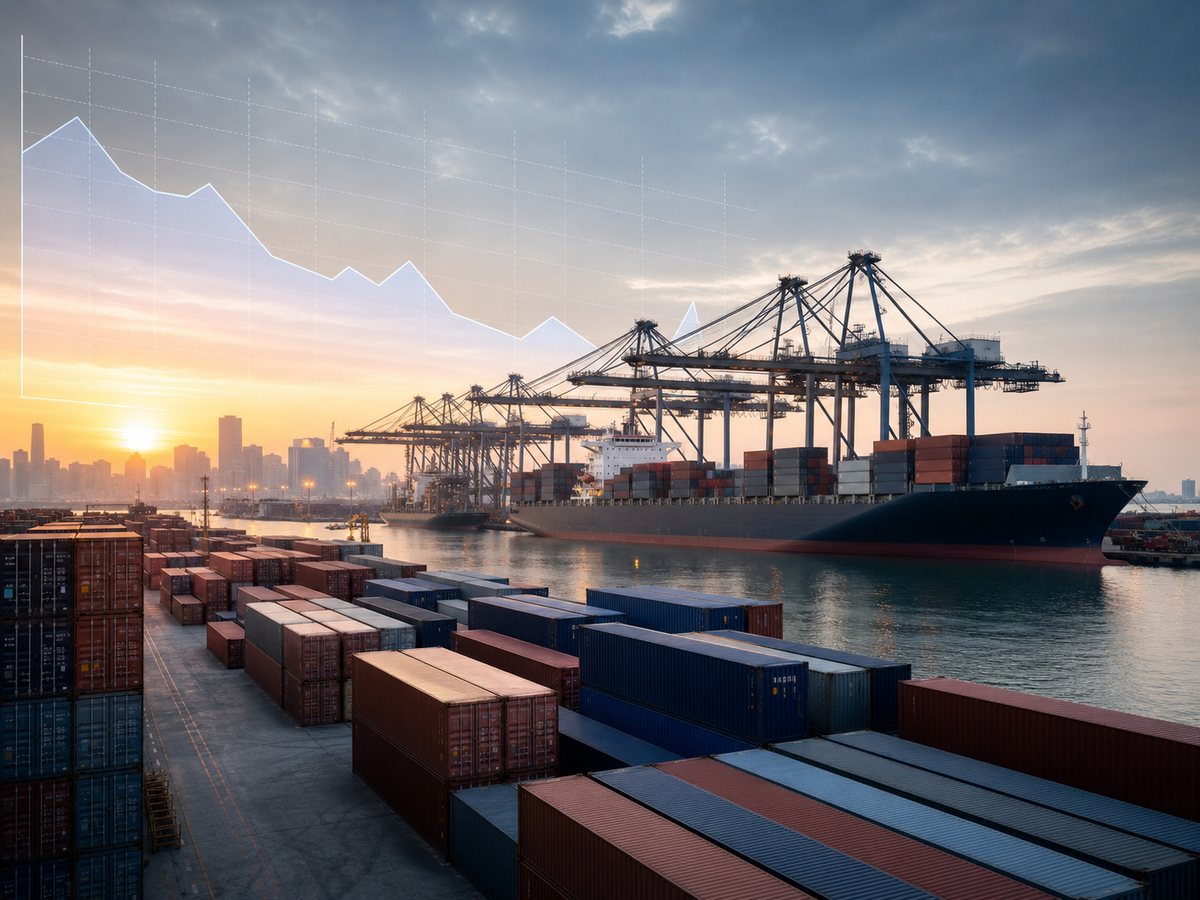
Sea freight is normally the starting point for heavier, larger or less time-sensitive commercial cargo.
A small urgent order may not belong at sea, while a planned commercial shipment can save significantly through LCL or FCL. We compare the total route—not only the port-to-port rate.
For container-sized, higher-volume or sensitive cargo that benefits from dedicated equipment.
For smaller shipments that can share container space and tolerate additional consolidation handling.
When pickup, destination handling and final-address delivery should be coordinated in one scope.
The quote should identify the exact container or consolidation path, ports, delivery terms and exclusions.
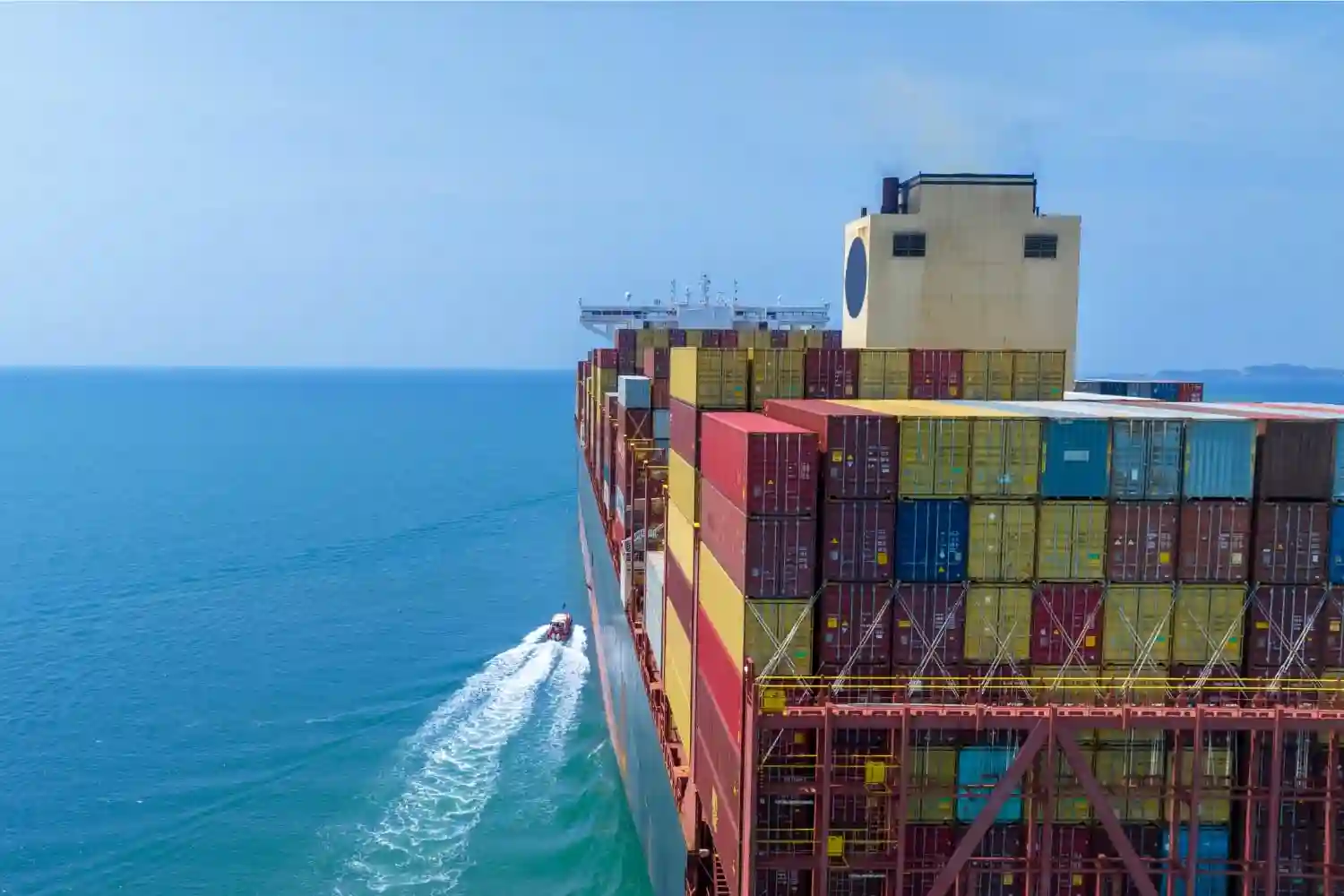
20ft, 40ft and route-appropriate equipment for one shipper’s cargo.
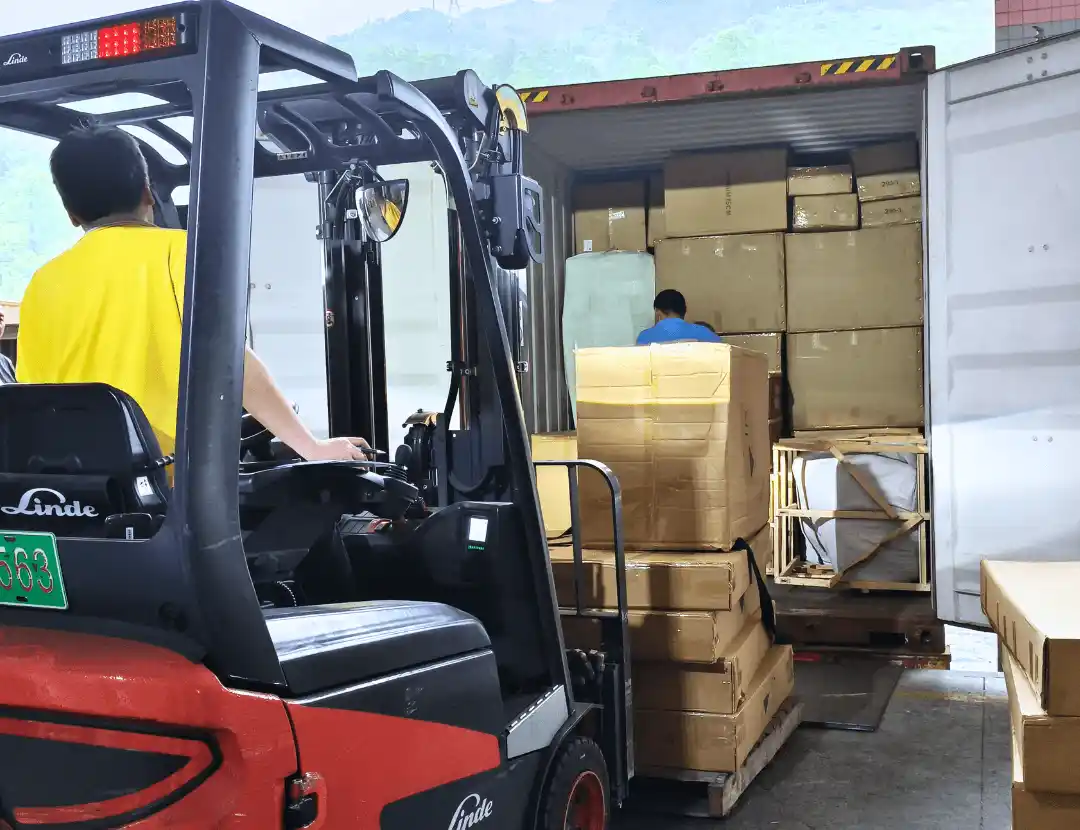
Shared-container transport based on chargeable volume and consolidation schedules.
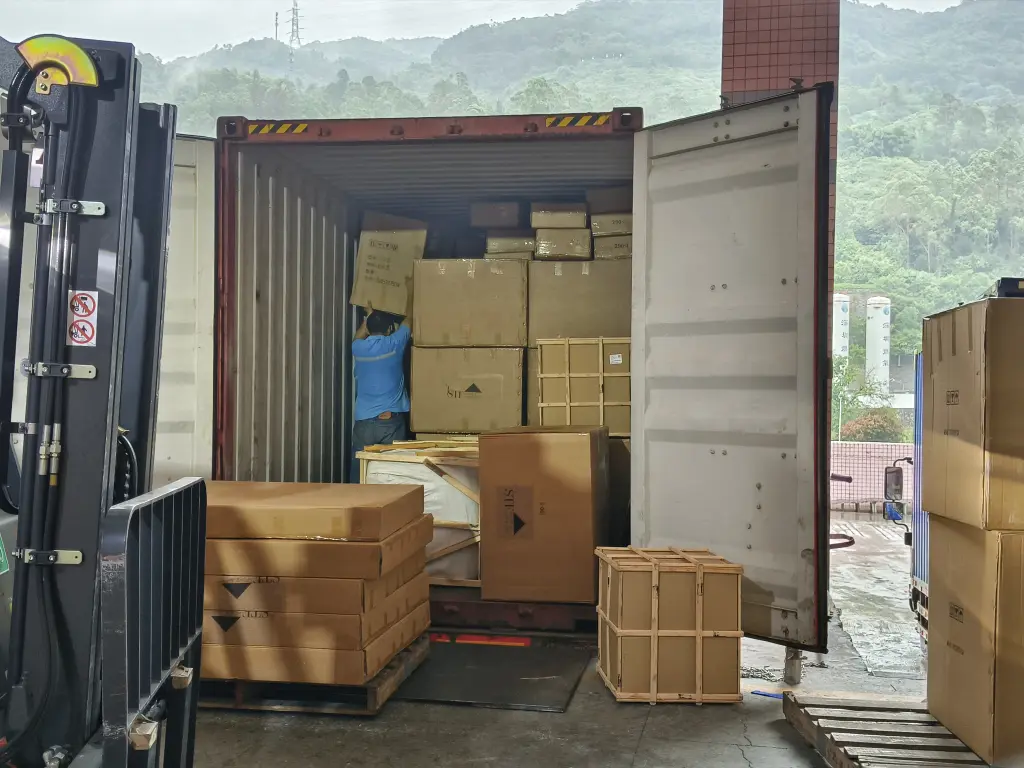
Receive cargo from several factories, combine it and ship under one managed plan.
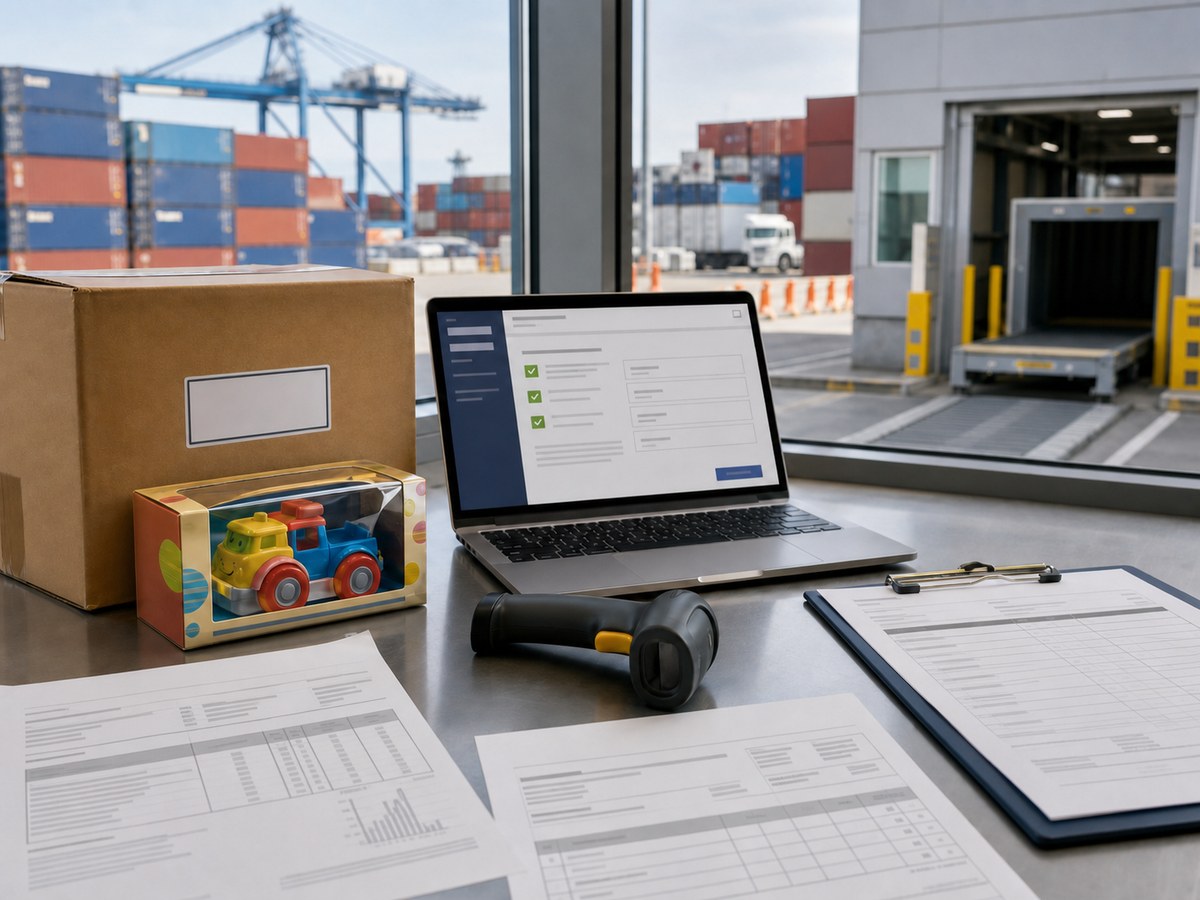
The confirmed scope can connect supplier readiness with the final delivery requirement.
Align factory readiness, pickup timing and port cutoff before the truck is dispatched.
Receive, count and measure LCL or consolidated cargo against the agreed shipment record.
Compare suitable carriers, routing, cutoff, sailing frequency and equipment availability.
Coordinate invoice, packing list, booking and export data so the shipment details remain consistent.
Report pickup, warehouse receipt, loading, departure, arrival and delivery milestones.
Connect the destination broker, port handling and final delivery scope when included.
Our Shenzhen head office supports China-wide origin work. Branch and established partner offices can handle approved shipments from other Asian markets.
China — including Shenzhen, Guangzhou, Shanghai, Ningbo, Qingdao, Tianjin, Xiamen and other commercial origins.
Vietnam, Indonesia, Thailand, Malaysia, Singapore, Japan, South Korea, Myanmar and other reviewed locations.
Major North American, European, Australian, New Zealand, Middle Eastern and other international markets.
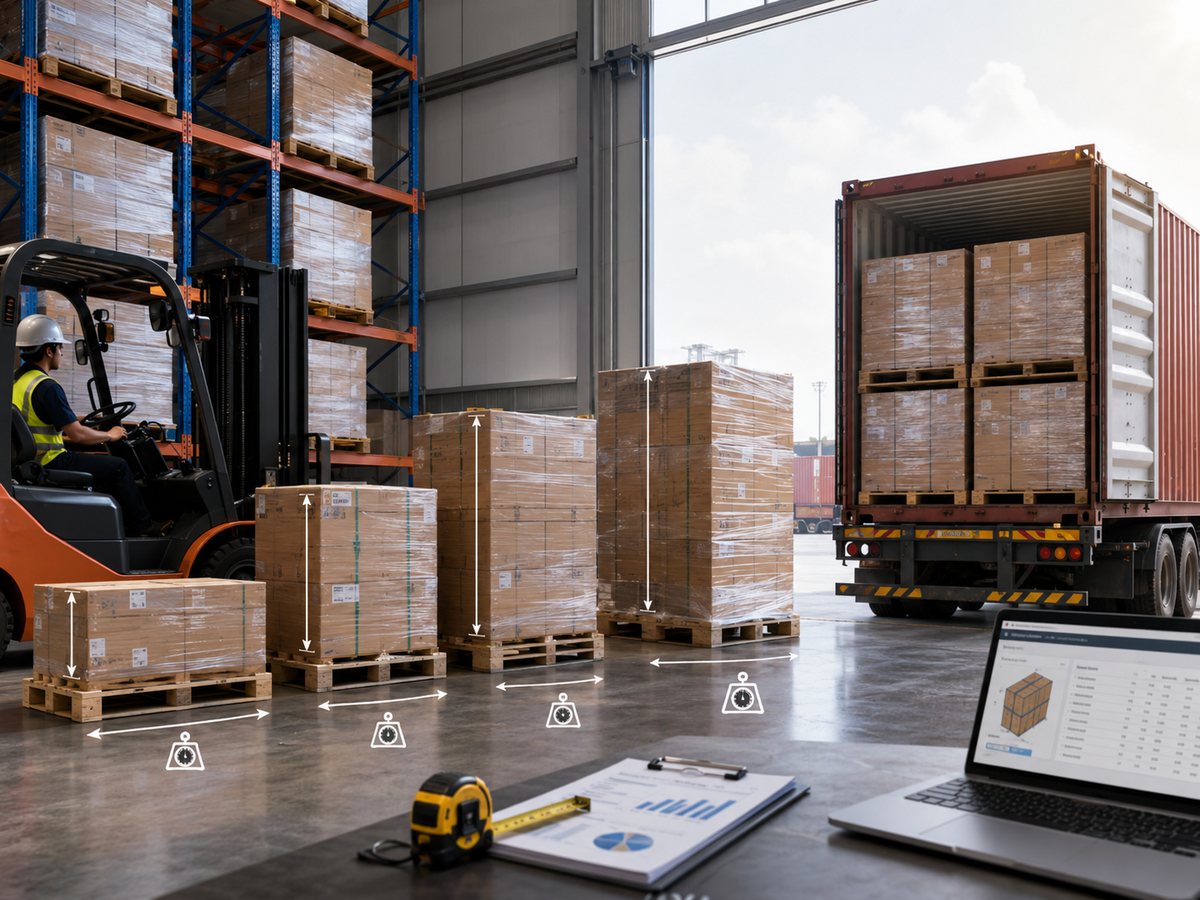
The final timing depends on the actual route, sailing, cargo readiness, customs and destination conditions.
Share origin, destination, Incoterm, goods, packages, weight, CBM and ready date.
We review equipment, consolidation, schedule and door-delivery options.
Pickup, receiving, booking and export milestones are coordinated after approval.
Destination handling and final delivery are followed according to the agreed scope.

Complete shipment data lets the team compare realistic options and state what is included.
For LCL, accurate carton dimensions determine the chargeable volume. For FCL, equipment, loading method and VGM responsibility must also be confirmed.
Transit varies by origin, destination, routing, sailing frequency, weather, customs and congestion. The quote should use the current route schedule.
Yes. China is the primary origin market, and approved shipments can also be coordinated from supported Asian and other international origins.
Only when the written quote clearly includes them. Importer responsibility, customs scope and destination charges must be confirmed before booking.
Yes. The practical comparison can include cutoff, routing, transit, frequency, equipment, destination charges and delivery requirements—not only the base ocean rate.
Send the route and cargo basics. We will review FCL, LCL, consolidation and delivery options for the actual shipment.