
Ship Indonesia → Canada with gateway, customs and inland responsibilities defined before booking.
This legacy Indonesia-origin lane requires confirmation of current local-agent coverage and pickup feasibility before Foresmart issues an executable scope. The useful comparison is factory-to-consignee: origin pickup, Tanjung Priok/Jakarta, with feeder or domestic origin moves where the supplier is outside Java, international movement, the canadian importer should be ready for cbsa/carm accounting, classification, valuation and taxes/duties, and final delivery.
An Indonesia-to-Canada quote can contain two very different inland legs: supplier-to-Jakarta or feeder movement at origin, and long-distance rail/truck delivery after Canadian arrival. The written quotation should identify assumptions, excluded charges and the party responsible for customs and last-mile release.
Choose the Indonesia → Canada mode from cargo economics and gateway reality.
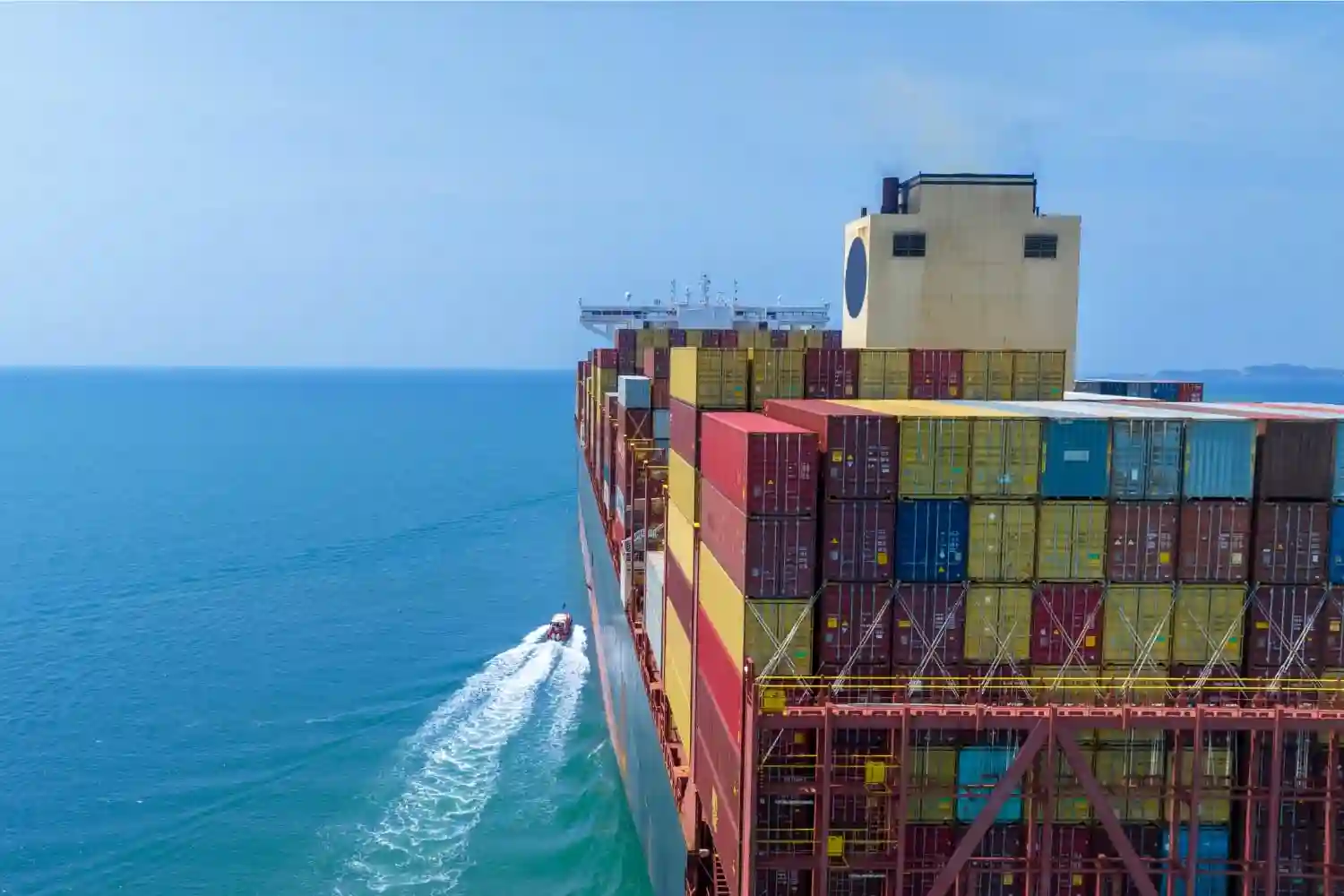 Planned commercial volume
Sea Freight
Ocean planning starts with Tanjung Priok/Jakarta, with feeder or domestic origin moves where the supplier is outside Java and the actual delivery geography in Canada. Use FCL for container control or larger loads and LCL for smaller commercial cargo when destination handling remains acceptable.
- CompareFCL, LCL and destination charges
- Best forPlanned volume and less urgent cargo
- ConfirmPickup, free time and final delivery
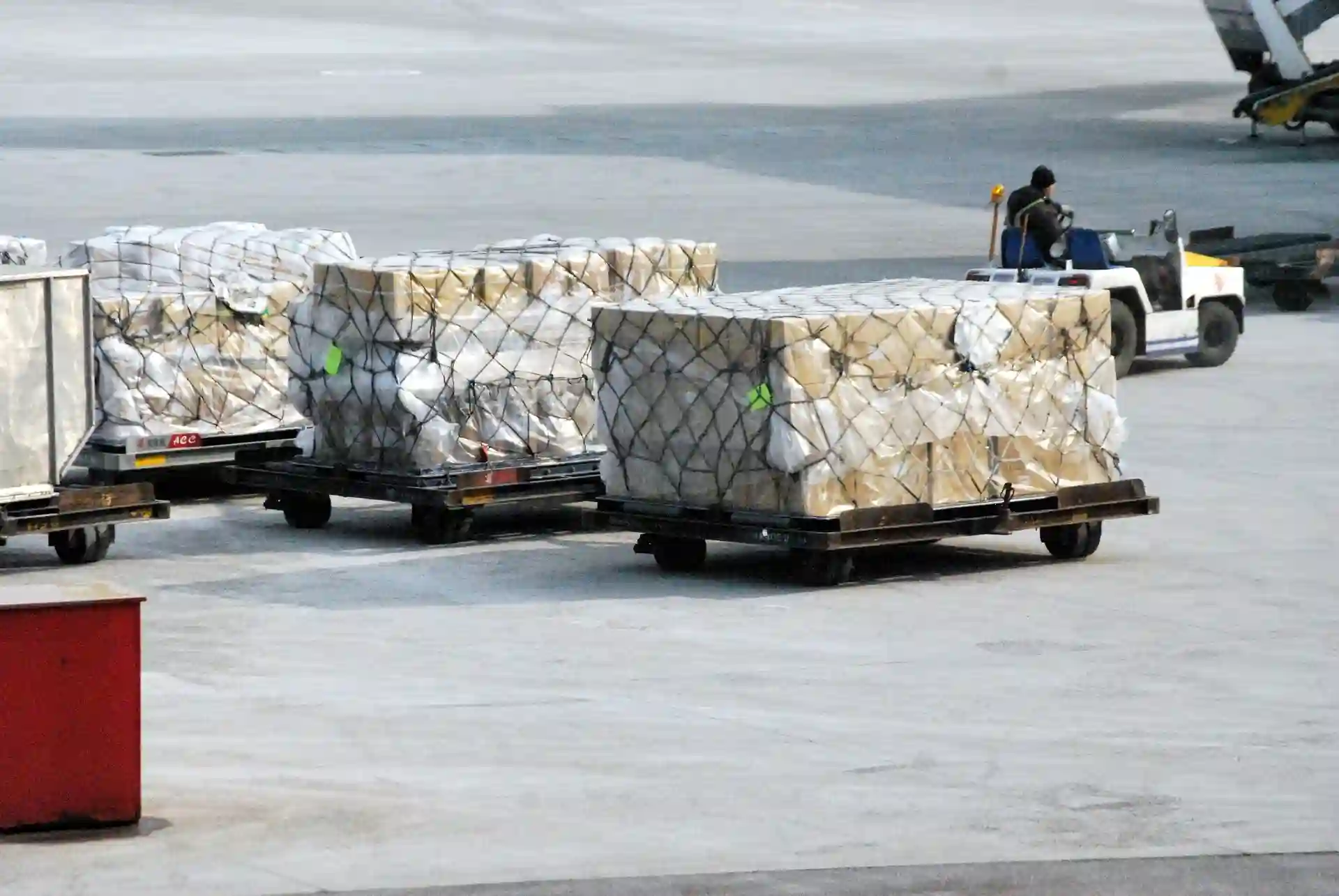 Urgent or higher-value cargo
Air Freight
When inventory is urgent, compare Jakarta (CGK) and route-appropriate Indonesian airports with Toronto (YYZ), Vancouver (YVR), Montreal (YUL) and route-appropriate airports. Use final dimensions because volumetric weight can move an apparently small shipment into a different cost band.
- CompareAirport pair and connection structure
- Best forUrgent, compact or stock-critical cargo
- ConfirmRestrictions and destination terminal
 Connected delivery scope
Door-to-Door
Destination delivery is planned only after the importer and release path are clear. The operational handoff is CBSA release plus Canadian inland delivery.
- CompareDAP, DDP and excluded charges
- Best forCustomers needing one managed chain
- ConfirmImporter, duty, tax and unloading
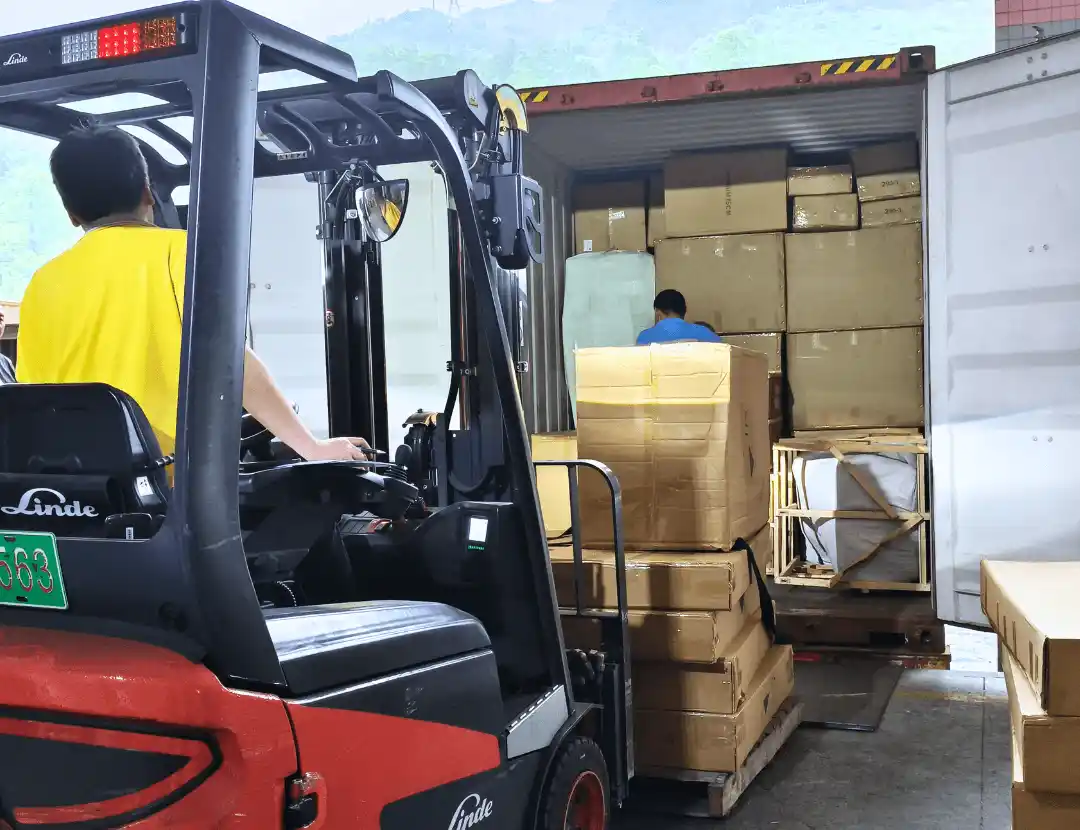 Pickup, warehouse and preparation
Origin Coordination
Origin coordination focuses on Jakarta/Java and inter-island Indonesian supplier locations. Pickup windows, supplier readiness and any warehouse consolidation are aligned before the export cutoff.
- CompareDirect pickup and warehouse release
- Best forSeveral suppliers or preparation work
- ConfirmReceiving, labeling and storage scope
Build the gateway pair around supplier geography and the final Canada receiver.
Use Tanjung Priok ocean freight as the base comparison for Java cargo, then compare CGK air where urgency offsets the premium.
Tanjung Priok/Jakarta, with feeder or domestic origin moves where the supplier is outside Java
Ocean origin planning should compare pickup distance, terminal cutoff, carrier service and any consolidation before the cargo reaches Tanjung Priok/Jakarta, with feeder or domestic origin moves where the supplier is outside Java.
Jakarta (CGK) and route-appropriate Indonesian airports
Air origin choice should follow supplier location, cargo acceptance and flight structure rather than airport name recognition.
Jakarta/Java and inter-island Indonesian supplier locations
First-mile control starts here: Jakarta/Java and inter-island Indonesian supplier locations. Confirm warehouse work, pickup access and supplier readiness before booking.
Canadian Pacific gateways or another routing matched to the final inland destination
Select among Canadian Pacific gateways or another routing matched to the final inland destination using the consignee's inland location, carrier service and terminal/rail/truck handoff.
Toronto (YYZ), Vancouver (YVR), Montreal (YUL) and route-appropriate airports
Air arrival planning should include terminal recovery, customs release and truck distance from Toronto (YYZ), Vancouver (YVR), Montreal (YUL) and route-appropriate airports to the receiver.
CBSA release plus Canadian inland delivery
The international booking is only one part of the lane. Confirm responsibility for CBSA release plus Canadian inland delivery in writing.
Define the shipment
Map the shipment from Jakarta/Java and inter-island Indonesian supplier locations to the actual Canada delivery point, including importer, Incoterm, cargo-ready date and any split suppliers.
Compare the route
Shortlist the gateway pair using Tanjung Priok/Jakarta, with feeder or domestic origin moves where the supplier is outside Java / Jakarta (CGK) and route-appropriate Indonesian airports at origin and Canadian Pacific gateways or another routing matched to the final inland destination / Toronto (YYZ), Vancouver (YVR), Montreal (YUL) and route-appropriate airports at destination.
Confirm cargo readiness
Freeze packed weight, CBM, dimensions, package count and product description before asking carriers to confirm space.
Book and prepare export
Coordinate pickup and export handoff so cargo reaches the chosen gateway before the real terminal or airline cutoff.
Monitor the movement
Track departure, connection/transshipment and arrival as separate milestones; do not treat an estimated arrival date as a guaranteed delivery date.
Release and deliver
Release cargo only after the destination customs and delivery party are ready for CBSA release plus Canadian inland delivery.
Price the complete Indonesia → Canada lane, not a single freight line.
Use the same cargo and delivery assumptions when comparing quotes so a low main-freight number is not hiding extra origin, terminal, customs or inland charges.
Origin pickup
First-mile cost depends on the supplier's distance from Tanjung Priok/Jakarta, with feeder or domestic origin moves where the supplier is outside Java or the selected air gateway. A remote pickup can erase a small international-rate saving.
Cargo profile
Weight, CBM, density, stackability and package dimensions determine whether the shipment fits LCL, FCL, air or a special-handling structure.
Transport mode
Ocean, air and split shipments have different minimums, terminal charges and risk of delay. Compare the same delivery scope across modes.
Carrier and capacity
Direct service, transshipment, equipment availability and space at the cargo-ready date affect the rate more than an old published average.
Customs scope
The Canadian importer should be ready for CBSA/CARM accounting, classification, valuation and taxes/duties. The local Indonesian origin leg must also be defined before the international booking. Any broker, duty/tax advance, examination or regulated-product cost should be separated from the freight line.
Final delivery
Last-mile price is driven by CBSA release plus Canadian inland delivery; address, appointment, unloading, waiting time and access restrictions can change the landed scope.
Prepare the Canada import handoff before cargo leaves Indonesia.
Confirm the importer in Canada, classification, commercial documents, product controls, duty and tax responsibility, and delivery-release plan before cargo leaves Indonesia.
Importer
Name the legal importer or consignee in Canada before departure. Foresmart can coordinate shipping documents and the broker handoff, but the importer remains responsible for information supplied to destination authorities.
Classification
Use a precise product description and confirm the applicable tariff or commodity code with a qualified customs professional in Canada; classification affects duty, controls and document requirements.
Commercial documents
Align the commercial invoice, packing list, product description, quantities, origin and customs value so the transport file does not contradict the import declaration.
Product controls
Check permits, safety standards, labeling, food or health review, battery declarations and other product-specific controls for Canada before the carrier accepts the cargo.
Duty and tax
Use the Incoterm to define commercial responsibility, then state separately who pays duties and taxes, who appoints the customs broker and who advances destination government charges.
Delivery release
Release timing depends on customs status, terminal availability and the final receiving arrangement described as: CBSA release plus Canadian inland delivery.
Use Indonesia → Canada differently for inventory, e-commerce, consolidation and projects.
Importers & Wholesalers
Wholesalers can use this lane for repeat replenishment when the purchase plan is matched to Canadian Pacific gateways or another routing matched to the final inland destination and the real inland destination.
Open customer solution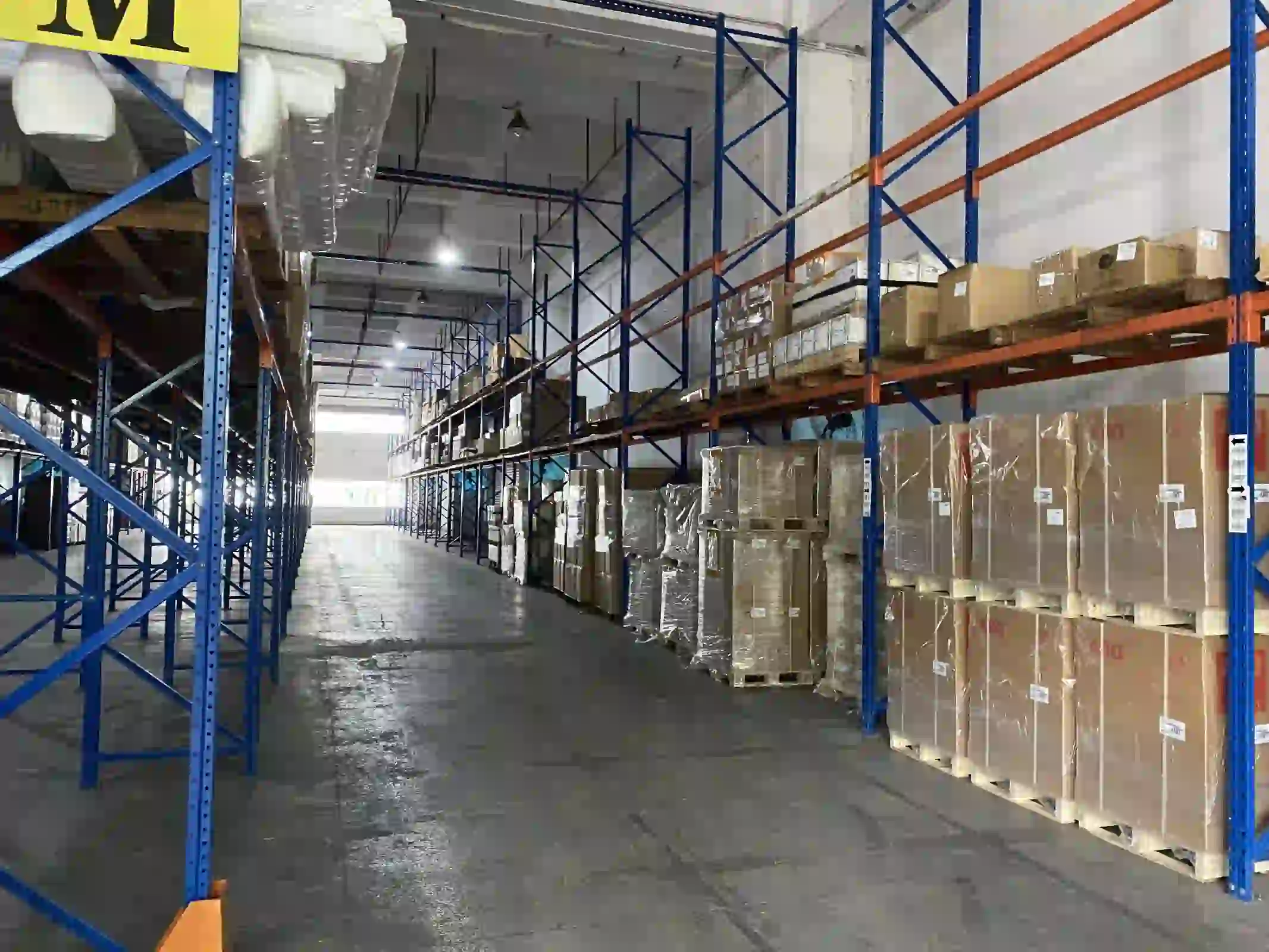
E-commerce & Amazon Sellers
E-commerce sellers should work backward from stockout risk and fulfillment appointment, then decide whether ocean or Toronto (YYZ), Vancouver (YVR), Montreal (YUL) and route-appropriate airports air makes economic sense.
Open customer solutionMulti-Supplier Buyers
Multi-supplier buyers need an origin control plan around Jakarta/Java and inter-island Indonesian supplier locations so one late supplier does not silently delay the entire consolidated shipment.
Open customer solution
Project Buyers
Project cargo buyers should identify site access, phased delivery and non-standard packages before selecting the international mode or final gateway.
Open customer solutionPractical questions before booking Indonesia → Canada.
The answers below describe planning logic, not a fixed rate or guaranteed schedule. The live quote and current customs requirements control the shipment.
Ask About My ShipmentWhich origin gateway should I use for Indonesia → Canada?
Start with the supplier location. Compare Tanjung Priok/Jakarta, with feeder or domestic origin moves where the supplier is outside Java for ocean cargo and Jakarta (CGK) and route-appropriate Indonesian airports for air, including domestic pickup and cutoff—not only the international rate.
Should this Indonesia → Canada shipment move by sea or air?
Choose the gateway from supplier location and the final Canada receiver, then compare the full pickup-to-delivery scope rather than the international line alone.
Can the shipment be delivered beyond the arrival port or airport?
Yes, when the written scope includes CBSA release plus Canadian inland delivery. Confirm importer, address, appointment/unloading requirements and excluded local charges before booking.
What destination import information is needed before booking?
Sea suits planned volume; air is justified when the business cost of delay exceeds the air premium. Use the same pickup and final-delivery assumptions when comparing them.
What makes this lane more expensive than the headline freight rate?
The total can include origin pickup, consolidation, terminal handling, international freight, customs-related charges and CBSA release plus Canadian inland delivery. An Indonesia-to-Canada quote can contain two very different inland legs: supplier-to-Jakarta or feeder movement at origin, and long-distance rail/truck delivery after Canadian arrival.
How should I treat the quoted transit time?
Treat transit as an estimate based on the booked service. Factory readiness, cutoff, transshipment, customs release and inland delivery can all move the final receiving date.
Quote Indonesia → Canada from the actual pickup point to the actual receiver.
Send the supplier city, final Canada delivery address, product, package count, gross weight, CBM/dimensions, Incoterm and cargo-ready date. We will compare the route using Tanjung Priok/Jakarta, with feeder or domestic origin moves where the supplier is outside Java / Jakarta (CGK) and route-appropriate Indonesian airports and the destination handoff at Canadian Pacific gateways or another routing matched to the final inland destination or Toronto (YYZ), Vancouver (YVR), Montreal (YUL) and route-appropriate airports. Current local-origin handling must be confirmed before the quote is treated as executable.