
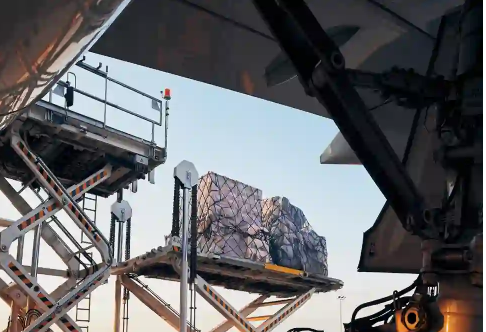
There is no one-size-fits-all answer. Small packages are usually better suited for postal services or economy courier options. For commercial shipments over 100 kg or 1 CBM, it often makes more sense to work with a freight forwarder and compare air freight, ocean freight, FCL, or consolidated freight options.
The key is not just the base shipping rate, it is the total landed cost: freight charges, customs clearance, warehousing, final-mile delivery, dimensional weight, and the extra costs that come with split shipments.
Main Shipping Options to China Compared
When comparing shipping methods, the right choice depends on shipment size, delivery timeline, cargo value, and whether the goods come from one supplier or multiple suppliers.
| Shipping Method | Best For | Typical Cost | Speed | Main Limitation |
| Postal service | Documents, samples, small personal packages | Low | 10–30 days | Limited tracking, weight limits |
| Express courier | Urgent small parcels under 30 kg | High | 3–7 days | Expensive for heavy or bulky cargo |
| Air freight | Urgent commercial cargo over 100 kg | USD 4–8/kg (chargeable) | 5–10 days | Cost rises sharply with dimensional weight |
| Sea freight LCL | Cargo 1–15 CBM | USD 30–80/CBM | 20–40 days | More handling, longer transit |
| FCL sea freight | Full container shipments | Lowest unit cost | 20–40 days | Requires enough volume |
| Consolidated freight | Multi-supplier orders | Cost-effective | Flexible | Needs warehouse coordination |
Tips: The ranges above are indicative. Actual rates vary by origin city, destination port, season, and market conditions. Always request a full quote including surcharges before committing.
When Postal or Courier Shipping Is the Cheapest Choice
Postal service or economy courier is best for small, lightweight shipments — documents, product samples, replacement parts, or low-volume personal packages under 20 kg. These options work well when the shipment is not urgent and does not require commercial freight handling.
For example, a 2 kg sample box shipped via postal service may cost USD 15–30, while the same parcel via express courier could cost USD 40–80 but arrive in 3–5 days instead of 2–3 weeks.
Once your cargo exceeds 30 kg or becomes commercially complex, courier rates climb quickly and freight forwarding becomes more cost-efficient.
When Air Freight Is Worth the Cost
Air freight is not the cheapest way to ship to China in absolute terms, but it can be the best value when speed matters. It works well for urgent commercial cargo, high-value goods, seasonal inventory, and production-critical parts where a delay could cause lost sales or line stoppages.
How chargeable weight works: Airlines charge based on whichever is greater — actual weight or dimensional weight (length × width × height in cm ÷ 6,000). A box measuring 80 × 60 × 50 cm that weighs only 10 kg has a dimensional weight of 40 kg, so you pay for 40 kg.
A practical scenario: An electronics importer needs 300 kg of components urgently to avoid a production halt. Sea freight would take 30 days; air freight delivers in 7 days for roughly USD 1,500–2,400 extra — far less than the cost of halting a production line.
To reduce air freight costs:
- Optimize carton dimensions to reduce wasted space.
- Consolidate smaller shipments into one booking.
- Confirm the chargeable weight for air freight before booking. Bulky but light cartons may be priced by volume, not actual weight.
- Compare routes — indirect routings can be 15–25% cheaper for non-urgent air cargo.
Get an Instant Shipping Solution Now!
When Sea Freight Is the Cheapest Way to Ship to China
Sea freight is usually the cheapest option for large, non-urgent cargo — bulk inventory, oversized products, heavy goods, machinery, or furniture.
LCL sea freight is best for cargo around 1–15 CBM that cannot fill a full container. You share container space and pay only for what you use. Rates typically range from USD 30–80 per CBM depending on origin and destination, plus local charges. Transit time is usually 25–40 days door-to-door.
FCL (Full Container Load): If you can fill a 20-foot container (roughly 25–28 CBM) or a 40-foot container (roughly 55–60 CBM), FCL offers the lowest cost per unit and better control over cargo handling. It also reduces the risk of damage since no other cargo shares your container. A practical scenario: A furniture wholesaler ships 18 CBM of sofas from the US to Guangzhou.
LCL at USD 50/CBM totals roughly USD 900 for the freight portion — far cheaper than air freight for the same volume, which might cost USD 8,000–12,000.
The trade-off is time. Sea freight requires careful planning to allow for pickup, container loading, export documents, port handling, transit, customs clearance, and final delivery.
Get an Instant Shipping Solution Now!
Why Consolidated Freight Can Be the Cheapest Option for Multi-Supplier Orders
Consolidated freight is often the most cost-effective solution when sourcing from multiple factories in China. Instead of each supplier shipping separately, a freight consolidator collects all goods in one warehouse and combines them into a single shipment.
What you save:
- One set of export documents instead of several
- One customs filing instead of multiple
- One final-mile delivery instead of repeated drops
- Better use of container or air cargo space
A practical scenario: An e-commerce seller buys from 5 factories in Guangdong. Shipping separately, each parcel costs USD 80–120 in courier fees — totaling USD 400–600 for 200 kg of goods. Consolidated via a freight forwarder, the same shipment fits into one LCL booking at roughly USD 200–300 all-in, plus customs clearance. The saving is real and repeatable every order cycle.
Consolidation also gives you quality control before the goods leave China. A good freight forwarder can receive cargo from different factories, verify carton counts, repack if needed, palletize, label, and arrange the final shipment — reducing the chance of issues at customs.
Get an Instant Shipping Solution Now!
Hidden Costs That Can Make Shipping to China More Expensive
Even a low base rate can balloon by the time goods arrive. Watch out for:
- Dimensional weight charges: As explained above, bulky but light shipments are charged by volume — not actual weight — in air freight and courier services.
- Incorrect HS codes or incomplete documents: Wrong product classification, missing invoices, or unclear descriptions lead to customs delays, inspections, or penalties. A single incorrect HS code can cause a 3–7 day delay and hundreds of dollars in extra handling.
- Warehouse storage fees: If goods sit too long at the origin warehouse, airport, or destination port, storage fees apply. Port demurrage alone can reach USD 50–150 per day after the free period.
- Split shipment costs: Shipping from multiple suppliers separately means paying repeated pickup fees, export documents, customs fees, and delivery charges. Consolidating eliminates most of these.
- Demurrage and detention: Delays in customs clearance or container return can trigger daily fees that add up quickly during peak season.
- Final-mile delivery: Moving goods from the port or airport to the final destination can add USD 100–500 depending on distance, cargo weight, and accessibility.
- Poor communication: Slow updates or missed documents can cause avoidable delays. When choosing a freight partner, responsive communication is as important as the price quote.
How to Choose the Cheapest Shipping Method by Cargo Size
| Cargo Size / Situation | Recommended Method | Why It Makes Sense |
| Under 20 kg | Postal service or economy courier | Lowest cost for documents, samples, and small parcels |
| 20–100 kg | Compare courier and air freight | Courier is convenient, but air freight can be cheaper as weight grows |
| Over 100 kg | Air freight, sea freight, or consolidated freight | Freight forwarding offers better cost control than parcel services |
| Over 1 CBM | LCL sea freight or consolidated freight | Paying by cargo space beats courier rates at this volume |
| Full container volume | FCL sea freight | Lowest unit cost for large, non-urgent shipments |
| Multiple suppliers | Consolidated freight | Combines goods from different factories to reduce repeated costs |
| Urgent commercial cargo | Air freight | Faster than sea, more practical than courier for heavier loads |
| Non-urgent bulk cargo | Sea freight | Best for lowering total shipping cost when time is flexible |
How Foresmart Helps Businesses Reduce Shipping Costs
Foresmart helps businesses reduce shipping costs by managing freight as a complete logistics plan, not just a single shipping rate. This is especially useful for larger commercial shipments, where pickup, warehousing, consolidation, customs clearance, and final delivery all affect the final cost.
- One-stop shipping service: Foresmart handles pickup, warehousing, consolidation, air freight, sea freight, customs clearance, and final delivery.
- Strong in air freight, FCL, and consolidation: Businesses can choose the right option based on shipment size, urgency, and budget.
- Lower costs through consolidated freight: Foresmart can collect goods from multiple suppliers and combine them into one shipment, helping reduce split-shipment costs.
- Clear communication and fast response: Customers receive timely shipment updates, and any exception can be handled by the responsible person within 24 hours.
- Experienced and certified team: Foresmart’s founder has worked in freight forwarding since 2007, and the company holds industry credentials such as NVOCC, FMC, and WCA.
In short, Foresmart helps businesses save money by improving coordination, reducing repeated costs, and making international freight more efficient. Its service positioning is consistent with the original brief: one-stop freight solutions covering pickup, consolidation, air/ocean freight, customs clearance, final delivery, responsive communication, and stronger support for air freight, FCL, and consolidated freight.
Frequently Asked Questions (FAQs)
What is the cheapest way to ship a small package to China?
For small packages, postal service or economy courier is usually cheapest. It works best for documents, samples, and lightweight parcels that are not urgent.
Is air freight cheaper than express courier for heavy shipments?
Yes, in many cases. Express courier is convenient for small parcels, but for heavier commercial shipments (typically over 50–100 kg), air freight usually offers better cost per kg — especially when cargo is properly packed and consolidated.
Is sea freight always cheaper than air freight?
Sea freight is cheaper for large, non-urgent shipments, but not always the right choice. If the cargo is time-sensitive, high-value, or its delay causes downstream losses, air freight may deliver better overall value despite the higher freight cost.
How can I reduce shipping costs when buying from multiple suppliers?
Use consolidated freight. A freight forwarder collects goods from different factories, stores them together, and combines everything into one shipment — eliminating repeated pickup, customs, and delivery fees.
When should I use a freight forwarder instead of a courier?
Use a freight forwarder when your shipment is heavy, bulky, commercially complex, or sourced from multiple suppliers. A forwarder can compare air freight, sea freight, FCL, LCL, and consolidation options to lower your total landed cost.
What documents are usually needed when shipping to China?
Common documents include a commercial invoice, packing list, bill of lading or air waybill, and customs declaration with HS code, declared value, quantity, and country of origin. Some goods require additional licenses or inspection certificates — confirm requirements with your forwarder before shipping.
For small packages, postal service or economy courier is usually cheapest. It works best for documents, samples, and lightweight parcels that are not urgent.
Yes, in many cases. Express courier is convenient for small parcels, but for heavier commercial shipments (typically over 50–100 kg), air freight usually offers better cost per kg — especially when cargo is properly packed and consolidated.
Sea freight is cheaper for large, non-urgent shipments, but not always the right choice. If the cargo is time-sensitive, high-value, or its delay causes downstream losses, air freight may deliver better overall value despite the higher freight cost.
Use consolidated freight. A freight forwarder collects goods from different factories, stores them together, and combines everything into one shipment — eliminating repeated pickup, customs, and delivery fees.
Use a freight forwarder when your shipment is heavy, bulky, commercially complex, or sourced from multiple suppliers. A forwarder can compare air freight, sea freight, FCL, LCL, and consolidation options to lower your total landed cost.
Common documents include a commercial invoice, packing list, bill of lading or air waybill, and customs declaration with HS code, declared value, quantity, and country of origin. Some goods require additional licenses or inspection certificates — confirm requirements with your forwarder before shipping.