FCA usually gives cross-border buyers a clearer origin handoff than EXW. Under FCA, the seller clears the goods for export. The seller also loads the buyer’s vehicle when delivery occurs at the seller’s premises. EXW leaves the buyer with loading, export clearance, and risk that begins before loading.
Both rules work with any transport mode, and the buyer normally arranges the main carriage. The choice turns on the named delivery point and the buyer’s ability to manage origin work. This comparison shows how those duties differ and how to state either rule under ICC Incoterms 2020.
What Are the Main Differences Between EXW and FCA?
EXW transfers delivery before loading and leaves export clearance to the buyer. FCA requires the seller to clear the export and complete a defined carrier handoff. Under the Incoterms rules, both terms leave main carriage and import clearance with the buyer unless the parties agree to separate services.
| Decision point | EXW | FCA |
|---|---|---|
| Delivery | Seller makes the goods available at the named point, not loaded | Seller loads the buyer’s vehicle at its premises, or places the goods at the carrier’s disposal on the seller’s vehicle at another named point |
| Export clearance | Buyer handles and pays | Seller handles and pays |
| Risk transfer | Before loading at the named EXW point | After the seller completes delivery at the named FCA point |
| Main carriage | Buyer normally arranges and pays | Buyer normally arranges and pays |
| Typical fit | Domestic trade or a buyer with lawful origin support | Cross-border, containerized, and multimodal shipments |
Loading Responsibilities
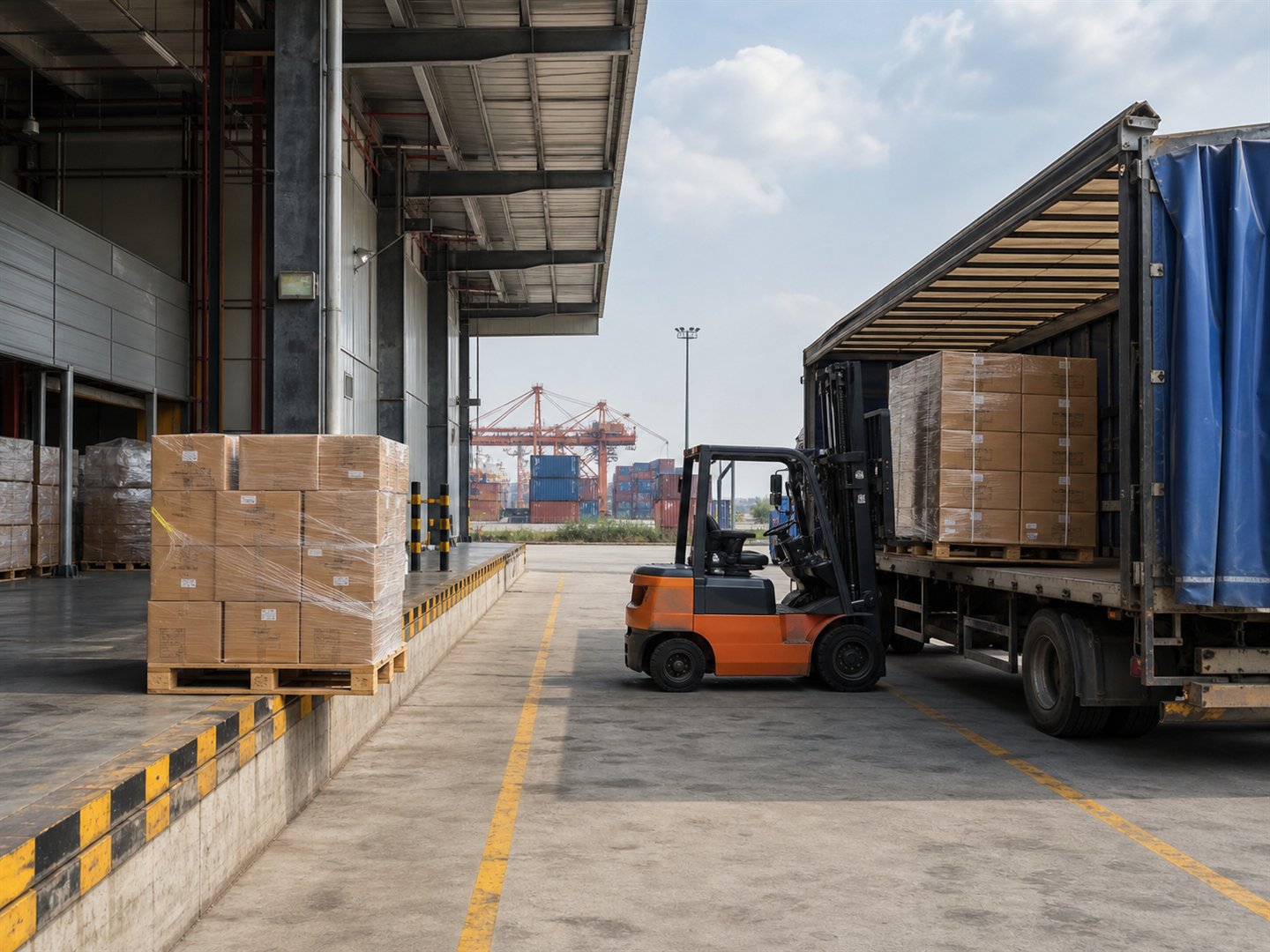
EXW does not require the seller to load the buyer’s collecting vehicle. The buyer arranges the labor, equipment, and suitable transport. If the seller agrees to load, the contract should assign the loading cost and risk. Without that agreement, damage during loading can lead to a dispute.
FCA removes this ambiguity when the named place is the seller’s premises. The seller loads the buyer’s vehicle and keeps risk until loading is complete. At another named place, the seller carries the goods there on its own vehicle. The buyer or nominated carrier is responsible for unloading after FCA delivery.
Export Clearance Responsibilities
Under EXW, the buyer handles required export licenses, declarations, and customs formalities. The seller assists with documents and information it holds when the buyer requests them. The buyer bears the cost and risk of that assistance.
A foreign buyer may lack authority to act as the exporter or declarant in the seller’s country. Local customs law controls who may file, regardless of the sales term. Under the FCA Incoterms rule, the seller handles and pays for export clearance. The buyer remains responsible for transit and import formalities.
Risk Transfer Points
Risk follows the delivery event stated by each rule. Under EXW, risk passes when the identified goods are ready for collection at the named point, before loading. Under FCA at the seller’s premises, risk passes after the seller loads the buyer’s vehicle. At another FCA place, risk passes when the goods are ready for unloading and at the carrier’s disposal.
The parties should record the cargo condition and handoff time. A signed receipt, time-stamped photos, and carrier records can help establish whether loss or damage occurred before or after delivery.
How Does the Named Place of Delivery Work Under EXW and FCA?
The named place sets the delivery, risk, and cost boundary. It is not necessarily the cargo’s final destination. The exact point also affects the quoted price because it defines how far the seller must perform.
Use the same international shipping terms in the sales contract, quote, and carrier instructions. A city or port name is too broad when it contains more than one gate, terminal, or warehouse.
EXW Named Place of Delivery
An EXW contract should identify the facility and exact collection point where the seller will make the goods available. A clear entry is EXW [full facility address and pickup point], Incoterms 2020.
The seller must identify the contract goods and have them ready on the agreed date or within the agreed period. If the contract does not specify a point within the named place, the seller may select a suitable point.
The buyer should confirm access hours, loading restrictions, cargo dimensions, and required equipment before collection. These details do not change EXW, but they determine whether the carrier can collect the cargo without delay.
FCA Delivery at the Seller’s Premises
For FCA delivery at the seller’s premises, the contract should state the full address and exact loading point. Delivery occurs when the seller loads the goods onto transport arranged by the buyer.
The buyer must nominate the carrier and send pickup instructions in time. The seller needs the vehicle details, loading appointment, and relevant handling limits to complete the handoff.
FCA Delivery at Another Named Place
For FCA delivery elsewhere, the seller carries the goods to the named point at its own cost and risk. Delivery occurs when the goods are on the seller’s vehicle, ready for unloading, and at the nominated carrier’s disposal.
The point may be a forwarder’s warehouse, container freight station, rail terminal, airport cargo terminal, or container terminal. Name the facility and receiving point, not only the city or port. The buyer normally pays for unloading and onward transport. If a terminal tariff bundles those charges, the quote should identify which party receives the invoice.
How Do EXW and FCA Affect Origin Costs?
An EXW supplier price may look lower because the buyer pays more origin costs separately. An FCA price includes the seller’s work through the named delivery point. FCA at a terminal therefore covers more origin work than FCA at the seller’s premises.
| Origin cost | EXW | FCA at seller’s premises | FCA at another named place |
|---|---|---|---|
| Required checking and packaging | Seller | Seller | Seller |
| Origin loading | Buyer loads the collecting vehicle | Seller loads the buyer’s vehicle | Seller loads its vehicle for delivery to the named point |
| Inland transport after the factory | Buyer | Buyer after FCA delivery | Seller to the named FCA point |
| Export clearance | Buyer | Seller | Seller |
| Unloading at another FCA point | Not part of EXW delivery | Not part of factory delivery | Buyer, unless another service contract includes it |
| Main carriage after delivery | Buyer | Buyer | Buyer |
EXW and FCA Origin Cost Allocation
Incoterms allocate costs between the parties, but they do not set rates or require a standard quote format. The seller pays the costs needed to complete its delivery duty. The buyer pays the costs that follow delivery, subject to the rule and any separate service agreement.
Inspections, storage, waiting time, and corrective filings arise from shipment events. The quote should assign these extra costs because the three-letter rule may not settle every invoice.
Like-for-Like Quote Comparison
Compare EXW and FCA quotes at the same physical point and clearance status. A lower supplier price does not prove a lower total origin cost.
Use this calculation:
Comparable origin cost = seller price + buyer-paid loading + pickup + export clearance + origin handling to the same comparison point
Ask each supplier or global freight forwarder to separate:
- The rule, exact named point, and Incoterms version
- Cargo weight, dimensions, packaging, and handling limits
- Loading, pickup, inland transport, and waiting time
- Export filings, licenses, inspections, and document fees
- Warehouse, terminal, storage, and container freight station charges
- Handoff evidence, exclusions, and delay-related charges
A higher FCA supplier price can still lead to a lower comparable origin cost. The buyer can judge that difference only after both quotes include work to the same boundary.
How Should Importers Choose and Specify EXW or FCA?
Use EXW when the buyer can control pickup and lawfully manage export work in the origin country. Use FCA when the seller should load the cargo, clear the export, or deliver to a named carrier point. FCA usually creates a cleaner handoff for cross-border container and multimodal shipments.
Choosing EXW for Domestic or Buyer-Managed Origin Pickup
EXW Incoterms can fit domestic sales or pickup within one customs territory. EXW may also fit a foreign purchase when a local entity or agent can load, collect, and file export declarations lawfully.
Before accepting EXW, confirm:
- Local law permits the planned exporter and declarant structure
- The collecting party can enter the premises and load the cargo
- The seller will provide available documents needed for transport and clearance
- Cargo insurance begins no later than the EXW delivery point
EXW is a poor fit when the buyer cannot lawfully clear the export or manage loading risk. Adding “EXW” to an invoice does not solve either problem.
Choosing FCA for Cross-Border or Container Shipments
FCA assigns export clearance to the seller and defines the handoff to the buyer’s nominated carrier. This split usually fits a cross-border shipment when the seller can complete local export formalities.
For containerized sea freight from China, the parties can name the factory or a carrier receiving point. Risk can then transfer when the carrier receives the cargo, rather than when the container reaches the vessel.
FCA also works for air, road, rail, and multimodal transport. The buyer still nominates the carrier, books the main carriage, and sends timely instructions. Import clearance, duties, and destination costs remain with the buyer after the agreed delivery point.
Specifying the Named Place and Incoterms Version
Write the term as FCA [exact facility and handoff point], Incoterms 2020 or EXW [exact facility and pickup point], Incoterms 2020. Replace the bracketed text with the actual location because a city or port alone may be too broad. Use the same wording in every shipping document, and state the delivery date or period in the sales contract. If the parties change a standard duty, assign the related cost and risk in writing.
FAQs
Does Either EXW or FCA Require Cargo Insurance?
No. Neither EXW nor FCA requires the seller or buyer to contract cargo insurance. The buyer should consider coverage from the exact delivery point because risk passes there. Under EXW, that point comes before loading. Under FCA, it comes after the required handoff.
Who Pays Import Duties and Taxes Under EXW and FCA?
The buyer pays import duties and taxes under both EXW and FCA. The buyer also handles import clearance unless the parties arrange a separate service. Destination-country law sets the filing requirements and amount due.
Do EXW or FCA Determine When Ownership of the Goods Transfers?
No. EXW and FCA do not determine when title or ownership transfers. The sales contract should state the title-transfer rule and governing law because ownership and delivery risk can pass at different times.
Do EXW or FCA Cover Product Defects or Warranty Claims?
No. EXW and FCA allocate delivery tasks, costs, and the risk of accidental loss or damage. The sales contract and governing law control product specifications, defects, warranties, remedies, and dispute procedures.
Can an FCA Seller Obtain an On-Board Bill of Lading for a Letter of Credit?
Yes, if the parties agree to the Incoterms 2020 FCA document option. The buyer instructs the carrier to issue an on-board bill of lading to the seller after vessel loading. The seller then gives the document to the buyer. This option does not move FCA delivery or risk transfer to vessel loading. The parties should confirm that the carrier’s document meets the letter of credit.