
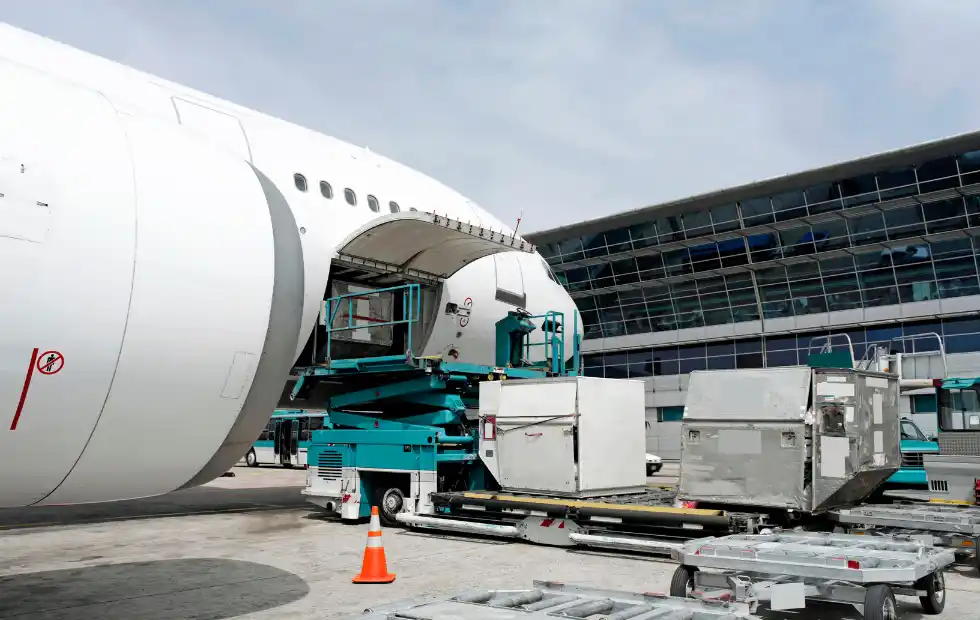
Air freight is fast, but it also depends on accurate documents at every step. For importers, missing or incorrect paperwork can lead to customs delays, extra charges, cargo holds, or delivery issues.
This guide explains the key air freight shipping documents importers usually need, who prepares them, why they matter for customs and cargo handling, and what common mistakes to avoid. It also covers how a freight forwarder can help coordinate documents, suppliers, air freight, customs clearance, and final delivery more efficiently.
Air Freight Shipping Documents: Quick Overview
Air freight shipping documents help importers, freight forwarders, airlines, customs brokers, and customs authorities identify the cargo, verify value, arrange transport, and complete customs clearance.
For most air freight shipments, importers usually need a few core documents, including the commercial invoice, packing list, and air waybill. Depending on the product type and destination country, additional documents such as certificates, permits, licenses, or insurance documents may also be required.
|
Document |
Main Purpose |
Usually Prepared By |
Importer Should Check |
|
Commercial Invoice |
Shows the transaction value and product details |
Seller / exporter |
Product description, value, currency, buyer details, Incoterms |
|
Packing List |
Shows package details, quantity, weight, and dimensions |
Seller / exporter |
Carton count, gross weight, net weight, dimensions, item quantity |
|
Air Waybill |
Serves as the main air cargo transport document |
Airline or freight forwarder |
Consignee details, routing, cargo details, chargeable weight |
|
Certificate of Origin |
Proves where the goods were made |
Exporter or authorized organization |
Origin country and product consistency |
|
Import Permit / License |
Required for certain regulated products |
Importer |
Whether approval is needed before cargo arrival |
|
Product Certificates |
Proves product safety or compliance |
Manufacturer, exporter, or importer |
Whether documents match destination requirements |
|
Insurance Certificate |
Shows cargo insurance coverage |
Insurer, freight forwarder, or seller |
Coverage amount, cargo details, shipment route |
|
Customs Entry Documents |
Used for import declaration and clearance |
Customs broker or importer |
HS code, declared value, duty, importer information |
Why Air Freight Documents Matter for Importers
Air freight documents are important because they connect the shipment, customs declaration, cargo handling, and final delivery process. Even if the goods are ready and the flight is available, incomplete or inconsistent documents can still slow down the entire shipment. For importers, these documents matter in three main ways.
Documents Affect Customs Clearance
Customs uses shipping documents to understand what the goods are, where they come from, and how much they are worth. The commercial invoice, packing list, air waybill, HS code, and product certificates can all affect the customs clearance process, from document review to duty calculation and cargo release.
If the product description is unclear, the declared value looks inaccurate, or the documents do not match, customs may ask for corrections or additional information.
Documents Affect Cargo Handling and Delivery
Airlines, freight forwarders, warehouses, and delivery partners rely on shipment documents to move the cargo correctly. Details such as consignee information, package count, weight, dimensions, and destination address help each party arrange handling, transfer, and delivery.
Wrong or missing information may lead to airport holds, delivery rescheduling, or extra communication between the importer, supplier, and logistics provider.
Documents Affect Final Import Cost
Air freight costs are not only based on transportation. Customs duties, taxes, storage fees, handling charges, and delivery costs may also be affected by the information shown on the documents.
For example, incorrect value, missing Incoterms, wrong weight, or delayed customs documents may create extra charges. This is why importers should review key documents before departure instead of waiting until the cargo arrives.
Core Air Freight Shipping Documents Importers Usually Need
Most air freight shipments require a few core documents before the cargo can move smoothly from the supplier to the destination country. These documents help confirm the transaction, describe the cargo, support customs clearance, and guide air transport.
Commercial Invoice
A commercial invoice is usually issued by the seller or exporter to the buyer or importer. It shows the final transaction details, including the product description, quantity, unit price, total value, currency, seller information, buyer information, and trade terms.
For importers, this is one of the most important customs documents. Customs uses it to review the declared value, calculate duties and taxes, and confirm whether the shipment details are reasonable. The commercial invoice should match the packing list, payment record, and actual cargo.
Packing List
A packing list explains how the goods are packed. It usually includes the number of cartons, package type, gross weight, net weight, dimensions, item quantity, and shipping marks.
While the commercial invoice focuses on value and transaction details, the packing list focuses on the physical shipment. Importers, freight forwarders, warehouses, and customs officers use it to check what is inside the cargo and how the shipment should be handled.
Air Waybill
An air waybill, often called an AWB, is the main transport document for air freight. It is usually issued by the airline or freight forwarder and includes details such as the shipper, consignee, departure airport, destination airport, cargo description, weight, routing, and tracking number.
For importers, the AWB is important because it helps track the shipment and supports cargo release at the destination. Unlike some ocean bills of lading, an air waybill is generally not used as a negotiable title document.
Arrival Notice
An arrival notice is usually sent when the cargo is about to arrive or has arrived at the destination airport. It may include flight details, cargo availability, destination terminal, charges, and instructions for customs clearance or pickup.
This document helps the importer or customs broker prepare for the next step. It is not usually the main customs document, but it plays an important role in arranging timely cargo release and final delivery.
Customs Entry Documents
Customs entry documents are used to declare the imported goods to the destination country’s customs authority. These documents are usually prepared or submitted by the customs broker, importer, or authorized agent.
The exact requirements depend on the destination country, product type, shipment value, and local regulations. Importers should make sure the HS code, declared value, product description, importer information, and supporting documents are accurate before customs entry is filed.
Additional Documents Required for Certain Air Freight Shipments
Not every air freight shipment needs the same documents. Besides the core documents, some cargo may require extra paperwork depending on the product type, destination country, customs rules, and buyer requirements.
Certificate of Origin
A certificate of origin shows where the goods were manufactured or produced. Customs may use it to verify origin, apply tariff rates, or confirm whether the goods qualify for certain trade benefits.
Importers may need this document when the destination country requests proof of origin, when the buyer needs it for compliance, or when the product falls under specific trade rules.
Import License or Permit
Some products cannot be imported freely without prior approval. An import license or permit may be required for regulated goods such as food, medical products, chemicals, batteries, cosmetics, electronics, or industrial equipment, depending on the destination market.
Importers should confirm these requirements before shipping. If a required permit is missing, the cargo may be held at customs even if the air freight has already arrived.
Product Compliance Certificates
Product compliance documents prove that the goods meet safety, quality, or regulatory standards in the destination country. Common examples include test reports, CE certificates, FCC documents, MSDS/SDS, fumigation certificates, inspection certificates, or health certificates.
The exact certificate depends on the product. For example, batteries, liquids, powders, electronics, wooden packaging, and medical-related products often need closer document review before air shipment.
Insurance Certificate
An insurance certificate shows that the cargo is covered by shipment insurance. It usually includes the insured value, cargo details, route, and coverage terms.
This document is especially useful for high-value goods, fragile items, or time-sensitive shipments. If damage or loss occurs during transport, the insurance certificate helps support the claim process.
Power of Attorney
A power of attorney may be required when a customs broker needs authorization to act on behalf of the importer. It allows the broker to submit customs entries, communicate with customs, and handle clearance-related procedures.
This is common when the importer does not manage customs clearance directly. Preparing it in advance can help avoid delays once the cargo reaches the destination airport.
Common Air Freight Document Mistakes to Avoid
Air freight is time-sensitive, so document mistakes can quickly lead to customs delays, airport storage fees, or missed delivery windows. Importers should check the key details before the cargo departs, not after it arrives.
Using Vague Product Descriptions
Descriptions like “goods,” “parts,” “accessories,” or “samples” are often too unclear for customs review. A better description should explain what the product is, what it is made of, and what it is used for when necessary.
Invoice and Packing List Do Not Match
The commercial invoice and packing list should be consistent. If the invoice shows one quantity but the packing list shows another, customs or the freight forwarder may need clarification before the cargo can move forward.
Key details to check include:
- Product name
- Quantity
- Carton count
- Gross weight and net weight
- Dimensions
- Declared value
Missing HS Code or Using the Wrong HS Code
The HS code affects duty rates, tax calculation, and import requirements. If the HS code is missing or incorrect, customs may question the shipment or request additional documents.
Importers should confirm the HS code with the supplier, customs broker, or freight forwarder before shipping, especially for regulated or high-value products.
Ignoring Special Product Requirements
Some products need extra documents before they can be shipped or cleared. Batteries, liquids, powders, chemicals, electronics, cosmetics, food products, medical items, and wooden packaging may all require additional certificates, permits, or safety documents.
If these requirements are checked too late, the cargo may be delayed at origin, during airline review, or at destination customs.
Sending Documents Too Late
Air freight moves quickly, but customs and delivery still depend on timely paperwork. If documents are sent only after the cargo arrives, the importer may lose the speed advantage of air shipping.
It is better to prepare the commercial invoice, packing list, AWB details, and any required certificates before departure.
Not Confirming Consignee and Importer Details
Incorrect consignee names, addresses, tax IDs, phone numbers, or importer information can cause clearance and delivery problems. These details should match the buyer’s records, customs requirements, and final delivery instructions.
A small mistake in importer details may lead to extra emails, document revisions, or cargo release delays.
How Foresmart Helps Importers With Air Freight Documentation
For importers shipping from China to global markets, air freight documentation is not just about preparing papers. It also requires coordination between suppliers, warehouses, airlines, customs brokers, and delivery partners. If one detail is missing or inconsistent, the shipment may face delays even when the cargo is ready to fly.
Foresmart helps importers manage this process with one-stop freight forwarding support, covering supplier pickup, cargo consolidation, air freight booking, customs clearance coordination, and final delivery.
Foresmart can help with:
- Document coordination: Check whether the commercial invoice, packing list, air waybill details, and other required documents are consistent before shipping.
- Supplier and pickup coordination: Communicate with suppliers across China and arrange cargo pickup from different locations.
- Consolidation support: Combine goods from multiple suppliers into one shipment when needed, helping simplify document handling and reduce separate shipping costs.
- Air freight planning: Recommend suitable air freight options based on cargo size, destination, timeline, and budget.
- Customs clearance coordination: Work with customs brokers and related parties to reduce avoidable document issues during clearance.
- Transparent shipment updates: Provide clear progress feedback throughout pickup, export, air transport, customs coordination, and delivery.
With industry experience since 2007, China-wide operation capability, multiple offices, and professional logistics qualifications such as NVOCC, FMC, and WCA, Foresmart helps importers handle air freight shipments with clearer communication and more efficient coordination.
Conclusion
Air freight can save time, but only when the required documents are accurate, complete, and ready before key shipping stages. For importers, the commercial invoice, packing list, air waybill, customs information, and product-specific documents all play a role in customs clearance, cargo handling, and final delivery.
Before shipping, importers should make sure the main document details are consistent, including product description, quantity, value, weight, dimensions, consignee information, and destination requirements. This helps reduce avoidable delays, extra charges, and last-minute document corrections.
For businesses importing from China, working with an experienced freight forwarder like Foresmart can make the process easier by coordinating suppliers, documents, air freight booking, customs clearance, and delivery in one smoother workflow.
Frequently Asked Questions (FAQs)
Can I Start Air Freight Booking Before All Documents Are Ready?
Yes, in many cases you can start booking first, but the key shipment details should be clear enough for the freight forwarder to arrange space. Before cargo departure, the commercial invoice, packing list, consignee details, and any required product documents should be ready or at least confirmed. If the documents are still incomplete close to departure, the shipment may face airline review issues or customs delays later.
Do Air Freight Documents Need to Be Original?
It depends on the document type and destination country. Many air freight documents can be submitted electronically, especially the commercial invoice, packing list, and air waybill copy. However, some certificates, permits, or regulatory documents may require originals or officially issued versions. Importers should confirm this with their customs broker before shipment.
What Should I Check Before Sending Documents to a Freight Forwarder?
Importers should check whether the buyer and seller names, product description, quantity, value, currency, package count, weight, dimensions, destination address, and Incoterms are correct. These details should also match the actual cargo and the supplier’s records. A quick review before submission can prevent repeated document revisions.
Are Air Freight Documents Different for Consolidated Shipments?
Yes, consolidated shipments may require more careful document matching because goods can come from multiple suppliers. Each supplier may provide its own invoice and packing list, while the freight forwarder may help combine cargo information for air freight handling. Importers should make sure each supplier’s documents are clear and consistent before consolidation.
How Early Should Importers Prepare Air Freight Documents?
Importers should prepare and review documents before the cargo is picked up or delivered to the freight forwarder’s warehouse. This gives enough time to correct invoice details, confirm product certificates, check consignee information, and avoid last-minute problems before the flight is booked or cargo is handed over to the airline.
Yes, in many cases you can start booking first, but the key shipment details should be clear enough for the freight forwarder to arrange space. Before cargo departure, the commercial invoice, packing list, consignee details, and any required product documents should be ready or at least confirmed. If the documents are still incomplete close to departure, the shipment may face airline review issues or customs delays later.
It depends on the document type and destination country. Many air freight documents can be submitted electronically, especially the commercial invoice, packing list, and air waybill copy. However, some certificates, permits, or regulatory documents may require originals or officially issued versions. Importers should confirm this with their customs broker before shipment.
Importers should check whether the buyer and seller names, product description, quantity, value, currency, package count, weight, dimensions, destination address, and Incoterms are correct. These details should also match the actual cargo and the supplier’s records. A quick review before submission can prevent repeated document revisions.
Yes, consolidated shipments may require more careful document matching because goods can come from multiple suppliers. Each supplier may provide its own invoice and packing list, while the freight forwarder may help combine cargo information for air freight handling. Importers should make sure each supplier’s documents are clear and consistent before consolidation.
Importers should prepare and review documents before the cargo is picked up or delivered to the freight forwarder’s warehouse. This gives enough time to correct invoice details, confirm product certificates, check consignee information, and avoid last-minute problems before the flight is booked or cargo is handed over to the airline.