
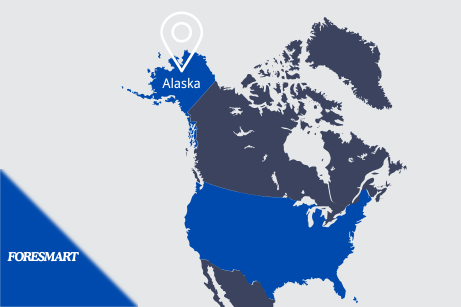
Shipping to Alaska is totally different from shipping to other states in the U.S. Why? Because of its massive size, remote communities, and severe weather, there is a lack of road access in many places. These factors pose challenges to anyone delivering goods to either individuals or businesses.
In this guide, we will provide you with insights on how shipping to Alaska works, how much it can cost, and tips you should know when shipping cargo to Alaska.
What Makes Shipping to Alaska so Different?
In order to understand fully why shipping to Alaska is more difficult, let’s examine some of the top reasons:
Size and Location
Alaska is the largest U.S. state by land, but it’s also one of the most isolated states. It’s separated from the other 48 states by over 2,000 kilometers of land and ocean. Because it’s so far from the mainland, shipments must travel longer distances.
Remote Communities
More than 80% of Alaska’s cities and villages can’t be reached by roads. Such areas depend on supplies coming in on small airplanes or boats. For instance, towns like Bethel or Nome are only accessible by air or sea, especially during winter.
Extreme Weather
An Alaska winter is long and cold. Alaska is located close to the Arctic Circle, which means it gets less direct sunlight. High mountains and glaciers also reflect sunlight and help keep the environment cold.
Deliveries can be delayed or cancelled due to snowstorms, ice roads, freezing rain, or subzero temperatures. The weather can be unpredictable even during warmer months. Routes and schedules have to be adjusted as shipping services always have to adapt.
Limited Infrastructure
Alaska has few major roads, ports, and airports, unlike states with highways and distribution centres. Large freight can only be shipped directly to a few cities (like Anchorage or Fairbanks). The remaining ones depend on complex transport chains.
Higher Costs and Delivery Risks
In addition to remoteness and weather, Alaska’s shipping landscape presents higher risks that can affect the total cost of delivery. There may be extra charges or claims for damages due to lost packages from weather detours, or sudden cancellations. For instance, if you’re shipping edibles, the change in temperature can impact the cargo.
These risk-related costs need to be factored in when businesses ship cargo to Alaska, and everyone shipping anything valuable to Alaska should strongly consider shipping insurance.
How to Ship to Alaska – Modes of Transportation
In many cases, more than one method of transportation is used for Alaska shipping. Modes of freight include air freight, ocean freight, ground transport, as well as multimodal combinations.
1. Air Freight
The quickest way to ship to Alaska is with air freight. There are cargo planes that fly directly to large cities or some small, nearby communities.
- Pros: Fastest option; can deliver to remote places.
- Cons: Very expensive; limited space; weather delays are common.
2. Ocean Freight
Sea freight is the best way of shipping OOG cargo or heavy items such as vehicles, machinery, and construction materials. From ports in Washington State (Seattle or Tacoma) to Alaskan ports such as Anchorage or Dutch Harbor, ships are available.
International cargo, such as shipments from China, is also first transported to a major U.S. port before being transshipped to a port in Alaska. As a result, international sea freight generally takes more time overall.
- Pros: Cheapest per-pound for large shipments.
- Cons: Slow, can take 1 to 3 weeks from the mainland U.S. to Alaska. The weather may cause delays.
Once the ship arrives, goods are often transferred to trucks for further delivery.
Related Reading: Shipping From China to the USA
3. Ground Transportation
Trucking is possible in certain areas, like between Anchorage, Fairbanks, and the Kenai Peninsula. Even then, long distances and rough roads make this mode challenging.
- Pros: Good for short distances within Alaska.
- Cons: Many places have no road access.
4. Multimodal Shipping
A combination of methods, such as air, sea, and ground, is used by most businesses. For instance, a package could be shipped by ship to one of the major ports in the U.S., and then flown to Anchorage, and finally be delivered by truck to a remote village. It is the most flexible and yet complicated. Good coordination and shipping experience are necessary when using multimodal freight shipping to Alaska.
Alaska Shipping Logistics: What You Need to Know
It’s important to understand the logistical challenge just as much as it is important to choose how to ship your package.
Shipping to Alaska takes more planning than regular shipping. These are the most important factors that you’ll have to handle for a smooth Alaska shipping experience:
1. Route Planning
Routes for each shipment have to be tailored to their destination. For example, getting a generator to a coastal village needed boat access. Sometimes, a medical shipment for a clinic may need to be made by air, only because not all sea routes are available all year.
2. Longer Delivery Times
Delays are expected even with express services. While a package might take 3 days to ship within the mainland U.S., it can take 3-7 days to arrive at a rural Alaskan town. If this is the case, add more time during the winter or peak seasons, such as Christmas.
International shipping to Alaska takes even more time. The cargo has to travel across different countries to reach the U.S. major ports, and then go through multiple transfer processes before finally arriving at its final destination in Alaska.
3. Use of Local Carriers
After freight arrives in Alaska, local shipping companies deliver it. They are familiar with the roads, the weather, and the terrain. Using these experienced and reliable carriers.
4. Seasonal Access
There are some places available only at some specific times. For example, “ice roads” are roads existing during winter on frozen rivers that help serve as temporary highways. In certain areas, water freezes, and boats simply can’t operate.
Cost of Freight Shipping to Alaska
Alaska shipping rates are more expensive than regular domestic shipping within the U.S., plus with the multiple transfer processes, the overall international shipping expenses rise as well. Let us look at these cost factors one by one:
1. Main Cost Factors
Distance: It’s far from most U.S. supply centers.
Mode of Transport: For international transport from China to Alaska, a 40ft sea freight container costs around $12,000 to $17,000 USD, depending on the season. Let alone air freight, which is much more expensive than sea freight.
Package Weight and Size: Larger, heavier shipments cost more.
Destination: Remote areas increase costs.
2. Carrier Price Differences
Each carrier has a different pricing model, so here are some of the best shipping companies for Alaska:
-
USPS: Best for small packages. Flat-rate boxes are cost-effective.
-
FedEx and UPS: Offer full service, but with higher pricing for rural areas.
-
Freight Companies: Better for large and palletized goods, especially via ocean freight.
3. Surcharges and Fees
Carriers often add extra charges for:
Customs (if shipping through Canada)
In-transit bonds
4. Saving Money
To reduce Alaska shipping costs:
Combine multiple items into one shipment
Use flat-rate boxes for smaller packages
Ship early to avoid expedited charges
Compare quotes from different providers
Tips to Optimize Your Alaska Freight Shipping Services
If you’re looking to ensure your shipments arrive on time, undamaged, and without exceeding your budget, these freight process tips may help you.
1. Use Experienced Alaska Shippers
Establish relationships with local Alaska freight shipping companies. The rules, paperwork, and best routes are all known to them. Moreover, they will help you avoid the bad weather and customs problems. If you are looking for a global freight forwarder shipping to Alaska, check if they are qualified and have handled Alaska cargo successfully.
2. Prepare Proper Packaging
Goods need to be packaged for extreme cold, moisture, and rough handling. The use of sturdy boxes, waterproof materials, and secure labels is encouraged before sending the shipment. Fill a double box or use shock-absorbing packaging for fragile items.
3. Use Tracking and Stay in Touch
Modern carriers often offer real-time tracking. Since this freight shipping to Alaska takes a long time, keep up to date with your shipment status and be prepared for delays or changes to your delivery route. Make sure to maintain contact with your freight forwarder or carrier, especially for urgent goods.
4. Expect the Unexpected
Always have a backup plan. There is no certain time when a snowstorm, a flight cancellation, or a mechanical failure can take place. Pad your schedule with extra days just in case.
Conclusion
Shipping to Alaska may be difficult, but it is certainly doable if you understand your transportation options, and working with the right logistics partners can save you time and money.
The leading element is to plan ahead, no matter if you are shipping little boxes or huge freight loads. By having a flexible mindset and expert partners, your goods will get to any corner of the last frontier with the protection and timeliness you need.
Frequently Asked Questions (FAQs)
What is the cheapest way to ship to Alaska?
For small packages, USPS flat-rate boxes are almost always cheapest. Ocean freight is better than air for heavy or bulky freight. Try to plan ahead to avoid the rush charges.
Do I need special paperwork when shipping freight to Alaska?
It depends. If your shipment travels through Canada, you may require customs forms and an in-transit bond. To avoid delays and red tape at the border, a freight forwarder or a customs broker can handle these documents for you.
How long does it take to ship to remote parts of Alaska?
The transit time changes according to where you are and how you ship it. It may take 5–7 days to deliver to cities such as Anchorage from the mainland U.S.; however, in bad weather or winter, it may take 2 weeks or more.