
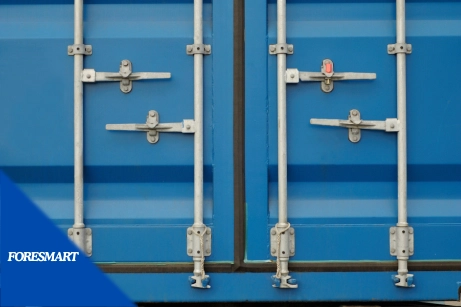
A shipping container seal, also known as cargo container locks, is a part of a cargo container. All the containers are protected with at least one seal before loading on board.
They are tamper-evident mechanisms used to protect the cargo from theft and maintain the integrity of cargo containers.
What Are Container Seals Used for?
All shipping containers need to be sealed before shipping. The seal can only be used once. Once the container is sealed, you have to cut the seal, or it cannot be opened again.
When the container heads towards the destination, it passes through several destinations. The shipping time can be delayed due to several reasons, such as environmental conditions, labour strikes, or other reasons. At times, delays can be more than a month. In such cases, the shipping container seal ensures that your container has been properly sealed before departure and only opened once it is delivered to the destination.
Shipping container seals protect the contents of shipping containers during transit effectively. They reduce the risk of any intruder opening the container and accessing the cargo or adding any illegal cargo to the container, such as any drug. The broken seal means that the container has been tampered with.
Different Types of Container Seals
There are various types of container security seals according to their shapes, sizes, materials, and price ranges. They are chosen depending on the cargo’s risk profile and shipping line requirements.
Some of the common types of shipping container security seals and their uses are listed below.
High Security Seals
High security container seals are those that meet ISO 17712 standards. These seals provide maximum security to prevent tampering during transit:
Steel bolt seals for containers are the most common type of seals, requiring a bolt cutter to remove them. They are the standard for international cargo and are accepted by most customs around the globe.
Steel cable seals feature a metal cable and a locking mechanism.
C-TPAT-compliant seals are a part of the U.S. Customs-Trade Partnership Against Terrorism (C-TPAT) program. They are hard to remove.
Medium-Security Seals
These seals balance between cost and protection:
Metal strip security seals are versatile and used to secure a range of items and locations. They are more affordable than bolt or cable seals.
Padlock seals resemble a padlock, used in logistics and retail.
Indicative Seals
These are simply tamper-evident seals, which are made of plastic or any material that can be easily broken or cut through with tools. Indicative seals don’t prevent tampering. They are used in situations where the risk of tampering is low or where visual evidence of tampering is sufficient:
Plastic container seals are lightweight and easy to break. They are used for general cargo where high security isn’t critical.
There are also general indicative seals made of plastic or thin metal, only providing a visual indication of tampering.
Electronic Seals
Electronic seals or E-seals are the digital version of organizational seals, used in smart logistics and customs tracking. E-seals are an indication that the document came from a particular legal entity and has not been tampered with during transit. It verifies the authenticity of sensitive documents. For instance, payment statements, contracts, and other official or health documents.
Different Colors of Seals and Their Meanings
Seals for containers come in different colors, including red, yellow, blue, green, white, and orange. Seal colors vary across shipping lines, ports, and suppliers. The meaning can vary by region or specific organization. Some common associations exist. For instance,
-
Red is used for high-security or customs-related applications.
-
Green is for agricultural products or when customs supervision is not required.
-
The yellow one is for general cargo or bulk shipments.
-
White container seals are commonly used for perishable goods that require special care.
Nevertheless, what matters most is the seal number, not the color.
Numbers on Shipping Container Seals
Each container seal number is an identifier that consists of numbers and letters. They are mentioned on seals placed on containers and also on the bill of lading (B/L). Moreover, these numbers are used to track the container’s journey and check its integrity at various points.
When the recipient of the container breaks the seal, they match it with the bill of lading (B/L) and other shipping documents. The numbers must also match the seal barrel and seal pin. If the numbers are mismatched anywhere, the concerned parties will be informed immediately. You should not open container security seals and unload containers until a representative from the shipping line is present in case of any tampering.
How to Remove the Seal
Shipping seals are only to be removed by the recipient once they are delivered to the destination. Before removing it, you must check the serial number and condition of the seal. If you find any evidence that your seal has been tried to cut, inform the cargo handler and the insurance company immediately.
Most container seals are made in a way that makes them tough to cut or break. For example, you need a container seal cutter, like a special bolt cutter, to slowly cut along the length of the seal. Cutting the seal may not be easy; depending on its strength, it might take time and effort.
Where and How to Place the Container Seal?
Every shipping container must have at least one seal to pass through customs. There are two doors on each standard container, and there are two locks on each door. The left door closes first, and the right door after that. The seal is placed on either lock of the right door, as it will be opened first.
As there are different types of seals used, choose the right one for your container first. Then separate the barrel and pin. When you are done with stuffing the container, close the doors. Easily fix the seal by pressing the open end of the pin and adjusting it into the openings of the lock rod.
ISO 17712 Standard Requirements for Container Seals
ISO 17712 standard is the worldwide accepted standard for shipping container seals. It has established unvarying procedures for acceptance, classification and removing the requirement to use mechanical shipping container sealing. As per the ISO 17712, the seals must be tamper-proof, easy to examine, of one-time use, and must be designed and manufactured according to theft-deterrent characteristics.
Moreover, the seal manufacturing companies and the supplier are bound to offer a certificate of compliance, confirming that the seals are made under the ISO 17712 standard.
Conclusion
To sum it all up, container seals are a small but critical part of the global trade, ensuring cargo remains secure and compliant with international standards. In addition, even simple plastic seals serve a specific purpose when it comes to protecting goods during transit.
The use of shipping seals helps prevent losses and allows professionals to maintain a level of trust across the supply chain.
Frequently Asked Questions (FAQs)
Who is responsible for container seals?
The shipper should make sure that the correct container seal identification number is listed properly on the bill of lading. Customs officials and other stakeholders may also inspect the seals at various points during shipping.
What does it mean to seal a container?
Sealing a container means securing a container with a tamper-proof seal. This is done to protect container goods from theft, contamination, or unauthorized access.
How to cut the container seal?
The best way to cut those seals is with a bolt cutter. Before cutting the container seals, make sure that the blades are sharp enough to do the job. Keep the cutters aligned, apply the pressure, and squeeze the handles, and your seal is removed!
The shipper should make sure that the correct container seal identification number is listed properly on the bill of lading. Customs officials and other stakeholders may also inspect the seals at various points during shipping.
Sealing a container means securing a container with a tamper-proof seal. This is done to protect container goods from theft, contamination, or unauthorized access.
The best way to cut those seals is with a bolt cutter. Before cutting the container seals, make sure that the blades are sharp enough to do the job. Keep the cutters aligned, apply the pressure, and squeeze the handles, and your seal is removed!