
When you have cargo to ship from one place to another, you will probably use dunnage as part of your packaging. Dunnage is important to the shipping industry because it helps stabilize, cushion, and protect cargo during transit.
In this article, we will explore what is dunnage in shipping, and its types, and you will understand why shipping dunnage is an essential part of your shipping.
Understand Shipping Dunnage
Dunnage can protect the cargo during its transportation by supporting, stabilizing, and cushioning the goods. The primary purpose of shipping dunnage is to prevent the items from being damaged when they are being shifted, during bumpiness, or any kind of impact in transit.
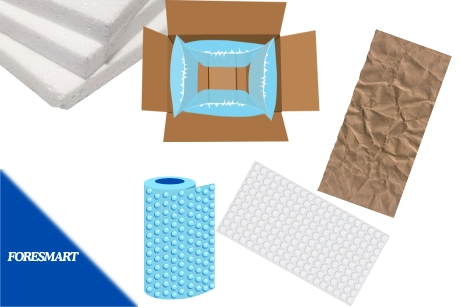
There are many materials being used as dunnage, like bubble wrap, wooden blocks, foam, dunnage bags, etc. Such kinds of materials may save businesses a hefty amount because of the reduction of potential cargo-related injuries and repairs.
Benefits and Uses of Dunnage
The benefits and uses of shipping dunnage include:
Protection of Goods
As we mentioned before, shipping dunnage plays a crucial role in safeguarding goods in the transport process. When you are shipping fragile or delicate items over long distances, you must do everything to protect those materials from damage. This is where dunnage comes into effect. It reduces collisions and displacement of items during transportation, ensuring that fragile items such as electronics and glassware remain intact.
Enhanced Shipping Efficiency
Apart from cargo protection, dunnage also contributes to shipping efficiency. By filling empty spaces in packages or containers, dunnage optimizes space utilization. This allows for more goods to be transported without compromising safety. Using dunnage also minimizes the need for excessive packaging, reducing material costs and waste.
Shipping dunnage enhances both the cargo safety and the efficiency of the shipping process.
Flexibility for Diverse Needs
Dunnage caters to the different demands of modern shipping. Shippers can customize dunnage to fulfill different cargo shipping requirements. For example, if your shipment requires precise dimensions, you can create custom dunnage to fit your requirements quickly.
If your goods are high-value, you can use durable materials such as industrial solid plastics. But if the materials are lightweight or you have bulkier items, you can use kit packs or the crisscrossed dunnage. Whatever the size, shape, or even fragility of the product, you can find a suitable dunnage option.
In general, shipping dunnage’s benefits go beyond just the protective measure. It caters to different shipping requirements. This is why dunnage is important in making the entire shipping operation successful.
Types of Shipping Dunnage
Dunnage materials come in many different kinds:
Solid Plastics
Plastic dunnage is often made up of high-density polyethylene, which is very durable and resilient. This type of shipping dunnage is mainly used to protect shipments from abrasions, shield sharp and heavy objects, and support stacked pallets.
Bubble Wrap
This is one of the low-cost and reusable dunnage materials, made up of air-filled bubbles in different sizes. It is most commonly used to fill in gaps in packaging, which helps prevent any movement of the contents during transit. Bubble wrap also efficiently cushions fragile items. It is best for items that have the highest chances of breaking during transportation, such as electronics, glass, and ceramics.
Wood
Wood is a strong material, which is why it is considered ideal for stabilizing and balancing heavy loads. Dunnage wood is used to fill gaps in shipments while also balancing the weight of the cargo in the container, reducing any kind of material shifting and avoiding significant damage during transit. Wood dunnage is most commonly used in the transportation and logistics industry to load and unload heavy items.
Air Pillows
These dunnage bags are inflatable cushions used to fill in empty spaces in boxes. They prevent items from sliding or colliding and, thus, from sustaining damages during transportation. They are usually used to ship electronics, glassware, and fragile items.
Kraft Paper
This one is made from wood pulp that is chemically treated, so it has even more strength and versatility than normal paper. This dunnage paper serves as a wrapping material, lined, or even as a filler in transit. They are commonly used in construction, packaging, eco-friendly mulch, or even bedding.
Foam
Foam is extremely lightweight, and moldable. It is a good shock-absorbent material used to protect items that are delicate such as medical equipment, furniture, and fragile instruments.
Importance of Dunnage in Shipping
Dunnage can act as a buffer to shield goods from external damage. It also protects sensitive or perishable items from moisture damage.
Some customizable dunnages can meet specific needs, such as foam for shock absorption, wood for heavy items, or moisture-resistant options for delicate goods. Moreover, shipping dunnage is a cost-effective solution. Materials like Kraft paper and corrugated paper offer robust protection at a low cost, so shippers reduce their packaging expenses without compromising safety.
Conclusion
Different shipping dunnage materials help shipments, whether domestic or international, arrive at their destination securely and intact. It is not just a protective measure but a cornerstone for efficient and safe shipping practices. Dunnage offers a variety of tailored solutions to suit every shipper’s needs.
FAQs
What are the most commonly used dunnage materials in shipping?
Bubble wrap, solid plastics, and wood are the most common shipping dunnage materials. They help protect and stabilize goods during transportation.
Are pallets a type of dunnage?
Strictly speaking, pallets are not considered dunnage, but they are often used in conjunction with it. Dunnage refers to materials that are used to protect, and cushion goods during shipping, but pallets are structural platforms used to stack.