
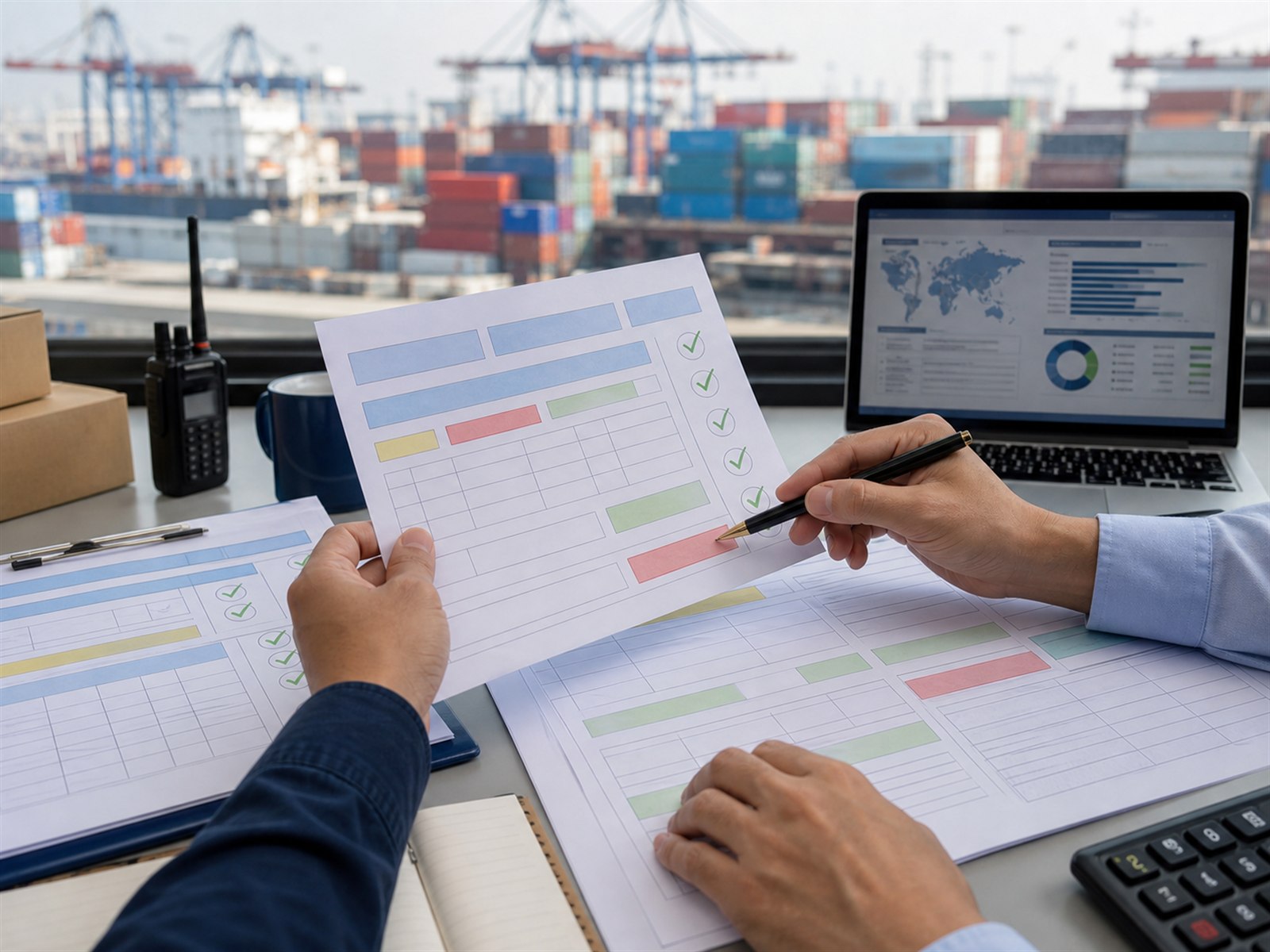
Put the seller or sending party in the consignor field and the cargo release party in the consignee field before the forwarder finalizes any shipping document. A small name mismatch can slow customs entry, carrier release, bank payment, or final delivery.
The document risk starts when the bill of lading, air waybill, commercial invoice, arrival notice, and delivery order point to different parties. Importers should match legal names before cutoff, not after cargo reaches the port.
What Is the Difference Between Consignor and Consignee?
The consignor is the party sending the goods, and the consignee is the party named to receive or control the goods at destination. In shipping documents, the consignor usually sits on the origin side. The consignee sits on the destination side, where customs entry and release happen.
|
Field |
Plain meaning |
Common document wording |
Main risk if wrong |
|---|---|---|---|
|
Consignor |
Party sending the shipment |
Shipper, seller, exporter, consignor |
Export data, invoice, or booking mismatch |
|
Consignee |
Party receiving or controlling the shipment |
Consignee, buyer, importer, receiver |
Release delay, customs entry mismatch, delivery block |
|
Notify party |
Party receiving arrival updates |
Notify party, contact party |
Missed arrival notice or unpaid local charges |
A buyer can be the consignee without being the final delivery address. A customs broker can receive notices without being the consignee. A forwarder can appear on the carrier document while the commercial parties appear on the house document.
A shared freight glossary can keep shipper, consignee, notify party, and release terms consistent across purchasing, logistics, and broker teams.
When Is the Consignor Different From the Shipper?
The consignor and shipper can differ when the seller, factory, exporter, booking party, and forwarder are not the same company. This difference is common in China exports, trading-company purchases, consolidation shipments, and NVOCC bookings.
|
Setup |
What usually changes |
What can go wrong |
|---|---|---|
|
Factory plus trading company |
Factory makes or packs the goods, while the trading company sells and invoices |
Broker cannot tell which party sold or exported the goods |
|
Export agent or licensed exporter |
Exporter name differs from the invoice seller |
Customs or bank records may need written support |
|
Forwarder or NVOCC booking |
Carrier bill shows forwarder parties, while house bill shows commercial parties |
Importer checks the wrong bill and misses release-name errors |
Supplier, Exporter, and Trading Company Names
Name differences are normal when the document set explains them. The risk starts when the invoice says one seller and the packing list says another sender. If the bill of lading adds a third name without explanation, customs brokers may ask for a revised invoice, export proof, or written clarification.
Before cutoff, confirm:
- Seller name on the commercial invoice
- Exporter name used for export records
- Pickup party on warehouse or factory paperwork
- Shipper or consignor name on the house bill
Forwarder or NVOCC Booking Setups
In a forwarder or NVOCC setup, the carrier bill of lading may show the origin forwarder as shipper and the destination agent as consignee. The house bill of lading should show the commercial shipper and consignee that the importer expects.
This document split is normal, but importers should compare the master bill of lading and house bill of lading before carrier cutoff. A clean house bill helps the broker, buyer, bank, and destination agent connect the shipment to the correct sale.
Where Do Consignor and Consignee Appear on Shipping Documents?
Consignor and consignee details appear on transport documents, customs documents, and destination release documents. Each document has a different function, so one copied name error can move into every release record.
|
Document |
Where the names appear |
What to check |
|---|---|---|
|
Bill of lading |
Shipper, consignee, notify party |
Consignee matches the party that can claim or control cargo |
|
Air waybill |
Shipper, consignee, issuing carrier, routing |
Consignee can receive fast air cargo without same-day release blocks |
|
Commercial invoice |
Seller, buyer, consignee, importer |
Sale and import entry records support the same shipment |
|
Arrival notice |
Consignee, notify party, payer or contact party |
Right party receives arrival and charge notices |
|
Delivery order |
Release party, consignee, delivery location |
Terminal or warehouse releases cargo to the right party |
Bill of Lading Fields
A bill of lading usually lists shipper, consignee, notify party, vessel, voyage, container, cargo description, weight, and marks. The consignee field affects who can claim or control the goods at destination.
For U.S. imports by common carrier, 19 CFR 141.11 ties the right to make entry to transport evidence. This evidence can include a bill of lading, air waybill, carrier certificate, or release order.
Air Waybill Fields
Air cargo moves faster than ocean cargo, so a wrong consignee name can become a same-day release problem. Air waybills are usually non-negotiable transport documents, but the consignee still guides airline, forwarder, broker, and delivery-party release checks.
Commercial Invoice Fields
The commercial invoice connects the sale to the import entry. The seller, buyer, consignee, importer, product description, value, currency, quantity, Incoterm, and country of origin should support the same shipment record.
For U.S. entries, 19 CFR 141.86 requires invoice data that supports entry review. Required details can include port of entry, sale or shipment parties, description, quantities, value, currency, itemized charges, and country of origin. A clean commercial invoice in shipping gives the broker fewer reasons to pause entry.
Arrival Notice and Delivery Order Fields
The arrival notice tells the destination party that cargo is close or has arrived. The delivery order tells the terminal, warehouse, or carrier which party may take the goods after customs and carrier release.
If the arrival notice, delivery order, and bill of lading point to different parties, the release desk may hold cargo. The forwarder then has to correct the chain.
Why Does the Consignee Field Matter for Cargo Release?
The consignee field matters because cargo release depends on matching transport control, customs entry, payment status, and delivery instructions.
|
Release gate |
Why the consignee matters |
Delay risk |
|---|---|---|
|
Delivery order |
Carrier checks who may collect the goods |
Cargo cannot move from terminal or warehouse |
|
Customs entry |
Broker connects importer, consignee, invoice, and bill data |
Entry filing pauses for name confirmation |
|
Bank or to-order release |
Bank or endorsed party controls documents |
Cargo arrives before the carrier can release it |
Delivery Order Control
The delivery order turns paperwork into physical cargo pickup. The carrier or agent checks the consignee, release party, payment status, and customs clearance. The carrier or agent also checks original bill or telex release status before handing over the goods.
Under 19 CFR 141.111, the carrier or warehouse proprietor generally must execute a release order before merchandise leaves U.S. customs custody. A wrong consignee name can force document correction before the release order moves.
Customs Entry Matching
Customs entry depends on the importer of record, consignee, invoice party, bill of lading, and product data matching closely enough for the broker to file. A party-name mismatch can trigger broker questions before filing or CBP review after filing.
19 U.S.C. 1484 requires reasonable care from the importer of record or authorized agent. This filing duty covers information needed for release and duty assessment.
Clean party names support the customs clearance meaning and process because the broker can connect the buyer, seller, consignee, and shipment records.
Bank or To-Order Shipments
Bank or to-order shipments add another release layer. The consignee field may say “to order” or name a bank, and the carrier may need endorsed documents before releasing cargo.
This bank-controlled setup protects payment control, but importers should plan the document path early. If the bank, buyer, forwarder, and carrier do not agree on release instructions, cargo can arrive too early.
What Happens If Party Names Are Wrong?
Wrong party names create release problems, not clerical cleanup. The shipment may need a bill amendment, invoice correction, broker review, bank approval, or new delivery order before pickup.
|
Name problem |
Likely impact |
Best early fix |
|---|---|---|
|
Wrong consignee name |
Destination agent cannot release cargo to the intended buyer |
Correct the bill before arrival |
|
Mismatched consignor or shipper |
Broker questions who sold, exported, or handed over the goods |
Align invoice, packing list, export, and house bill records |
|
Customs data mismatch |
Entry filing pauses for importer, consignee, seller, or manufacturer confirmation |
Confirm parties before broker filing |
|
Late correction after arrival |
Storage, demurrage, or missed delivery windows build |
Fix names before cargo lands |
Wrong Consignee Name
A wrong consignee name can stop the destination agent from releasing cargo to the intended buyer. This consignee error is worse when the consignee is a bank, Amazon entity, customs broker, or company branch with a similar name.
One missing legal suffix can separate the cargo from the party that can prove release authority.
Mismatched Shipper or Consignor Name
A mismatched shipper or consignor name can raise questions about who sold, exported, or handed over the goods. This mismatch often appears when a buyer uses a trading company, but the factory name remains on the packing list.
The usual fix is a corrected invoice, corrected packing list, letter of explanation, or revised bill. The better fix is earlier: confirm the seller, exporter, pickup party, and booking party before the forwarder submits final shipping instructions.
Customs Data Mismatch
Customs data mismatch means the broker cannot easily connect the transport document to the invoice and entry record. The broker may pause filing until the importer confirms the correct importer of record, consignee, seller, and manufacturer.
This data mismatch can also affect:
- Bond use
- Power of attorney checks
- Related-party review
- Valuation support
- Admissibility documents
Storage, Demurrage, and Missed Delivery Risk
Document correction takes time, and ports charge while cargo waits. For U.S. imports, 19 CFR 141.5 gives importers a 15-calendar-day entry deadline after landing or arrival at the destination port for in-bond freight.
This entry deadline does not prevent storage or demurrage from starting earlier under terminal, carrier, or warehouse rules. The buyer should fix party-name errors before arrival because destination charges often move faster than document amendments.
How Should Importers Check Consignor and Consignee Details?
Importers should check party names before carrier cutoff, then re-check the bill of lading, invoice, packing list, arrival notice, and delivery order before release. The check should use legal names, not short trade names or email signatures.
Match Legal Names Before Carrier Cutoff
Ask the supplier, forwarder, and broker which legal name should appear in each field. Then check:
- Company suffix
- Registered address
- Tax or registration number
- Role label, such as seller, shipper, consignee, importer, or notify party
Compare the B/L With the Invoice and Packing List
The bill of lading should match the commercial invoice and packing list closely enough for the broker to connect the shipment.
Check these lines together:
- Seller and buyer
- Shipper or consignor
- Consignee and notify party
- Cargo description
- Package count and weight
- Marks and numbers
Do not force every field to be identical when the trade setup explains the difference. A trading company, factory pickup point, or forwarder house bill may create legitimate name differences.
Confirm Bank or To-Order Shipments Early
Bank and to-order shipments need early agreement on document release. Confirm:
- Whether the bill should name the bank, say “to order,” or name the buyer directly
- Who endorses the bill
- Who receives originals
- Whether the carrier allows telex release
- What the bank requires for payment
Late changes can trap cargo between payment control and carrier release.
Ask the Forwarder Before Final Release Instructions
Ask the forwarder to review the final party-name chain before instructions reach the carrier. This forwarder review matters most for:
- Consolidated cargo
- Alibaba orders
- Multiple suppliers
- DDP shipments
- FBA delivery
- Bank-controlled shipments
Those setups involve more parties, so one copied name can create a release dispute at destination.
How Does Foresmart Help Reduce Document Mismatch Risk?
Foresmart helps reduce document mismatch risk by checking shipping-party details across booking, house documents, invoice support, customs coordination, and final delivery instructions. Foresmart cannot prevent every customs question or carrier amendment, but early document review helps catch name errors before cargo reaches destination.
Foresmart’s China freight forwarder team works with importers buying from Chinese suppliers, trading companies, and multiple pickup points. That origin-side visibility helps align:
- Supplier names
- Booking details
- Cargo descriptions
- Destination release instructions
- Final delivery records
For importers using door-to-door shipping, Foresmart also coordinates pickup, freight, customs clearance, duties-paid delivery where agreed, and final delivery planning. This single document chain helps reduce the chance that the consignee, delivery address, broker, and release party drift apart.
Foresmart is an NVOCC, FMC-licensed freight forwarder with FMC code 031352 and WCA ID 130815. These credentials do not guarantee customs clearance or transit time, but the credentials support accountable document handling for China-origin freight.
FAQs
Can the Consignee and Final Delivery Address Be Different?
Yes, the consignee and final delivery address can be different. This setup appears when the legal receiver controls release, but the cargo goes to a warehouse, Amazon facility, branch office, or customer site. The delivery order should show the correct final address. The consignee field should still match the release plan.
Should the Customs Broker Go in the Consignee or Notify Party Field?
A customs broker is usually listed as the notify party, not the consignee, unless the shipment structure gives the broker a specific release role. The importer should ask the broker before booking. A wrong consignee setup can block release because the broker may not own or control the goods.
Can You Change the Consignee After the Carrier Issues the Bill of Lading?
Carriers sometimes allow consignee changes after issuing the bill of lading. The carrier, forwarder, bank, and customs broker may still need to approve the amendment. Original bills, bank-controlled shipments, and arrived cargo are harder to change. Importers should confirm consignee details before cutoff.
Does the Consignee Need to Match the Buyer on the Commercial Invoice?
The consignee does not always need to match the buyer, but the document set must explain the difference. A buyer may ship to a warehouse, branch, bank-controlled consignee, or third-party receiver. The broker may ask for written support when the invoice buyer and transport consignee differ.
Who Pays Extra Charges If Consignee Details Delay Cargo Release?
The party responsible depends on the sales contract, forwarder agreement, carrier tariff, and cause of the error. Importers often face storage, demurrage, or re-delivery charges first because the cargo sits at destination. The buyer should assign document-check responsibility before booking, not after arrival.
Yes, the consignee and final delivery address can be different. This setup appears when the legal receiver controls release, but the cargo goes to a warehouse, Amazon facility, branch office, or customer site. The delivery order should show the correct final address. The consignee field should still match the release plan.
A customs broker is usually listed as the notify party, not the consignee, unless the shipment structure gives the broker a specific release role. The importer should ask the broker before booking. A wrong consignee setup can block release because the broker may not own or control the goods.
Carriers sometimes allow consignee changes after issuing the bill of lading. The carrier, forwarder, bank, and customs broker may still need to approve the amendment. Original bills, bank-controlled shipments, and arrived cargo are harder to change. Importers should confirm consignee details before cutoff.
The consignee does not always need to match the buyer, but the document set must explain the difference. A buyer may ship to a warehouse, branch, bank-controlled consignee, or third-party receiver. The broker may ask for written support when the invoice buyer and transport consignee differ.
The party responsible depends on the sales contract, forwarder agreement, carrier tariff, and cause of the error. Importers often face storage, demurrage, or re-delivery charges first because the cargo sits at destination. The buyer should assign document-check responsibility before booking, not after arrival.