
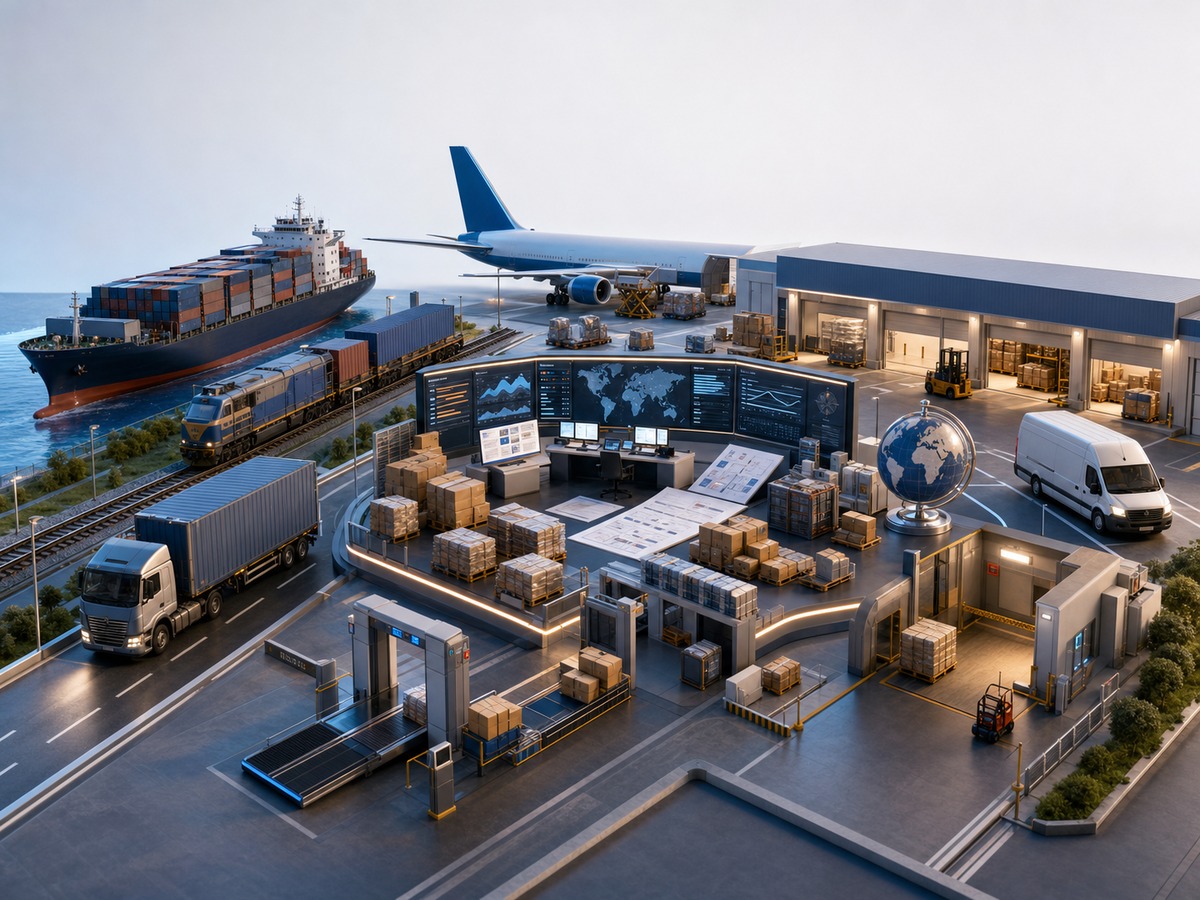
Use a freight forwarder when an import needs coordination beyond the carrier’s physical transport. A carrier moves cargo on a vessel, aircraft, truck, or rail line. A forwarder lines up space, documents, handoffs, customs support, release, and delivery.
The provider split decides who answers when a quote excludes destination charges, a bill of lading blocks release, or a warehouse misses an appointment.
How Is a Freight Forwarder Different From a Carrier?
Freight forwarder vs carrier comes down to transport capacity versus shipment control. A carrier moves the freight. A freight forwarder coordinates the shipment around that movement.
|
Check point |
Carrier |
Freight forwarder |
Importer risk |
|---|---|---|---|
|
Physical movement |
Runs the vessel, aircraft, truck, or rail leg |
Books and coordinates the transport leg |
Off-carrier handoffs may sit outside the carrier scope |
|
Quote scope |
Prices the transport leg and carrier surcharges |
May quote pickup, freight, customs support, release, and delivery |
A carrier rate can miss destination costs |
|
Bill of lading |
Issues the master bill for the carrier leg |
May issue a house bill as an NVOCC or forwarder |
The wrong bill path can block cargo release |
|
Legal position |
Controls operating capacity |
May act as an NVOCC without operating the vessel |
The importer must know who accepts transport responsibility |
Physical transport versus shipment coordination
A carrier performs the transport. A freight forwarder lines up the handoffs around that transport, especially when pickup, main freight, customs release, and final delivery involve different companies.
Carrier rate versus full shipping quote
A carrier rate usually prices the transport leg the carrier controls. A forwarder quote can add pickup, export handling, insurance, customs support, destination fees, delivery, and written exclusions. Importers comparing only carrier rates may miss destination charges and final delivery costs.
Master bill of lading versus house bill of lading
A carrier usually issues the master bill of lading for the main transport leg. A forwarder or NVOCC may issue a house bill of lading to the importer or shipper. Importers using LCL, consolidation, or door delivery should keep both release paths clear before cargo sails.
Operating carrier versus NVOCC status
An operating carrier runs the vessel or transport equipment used for the main carriage. An NVOCC does not operate the vessel, but an NVOCC can act as a common carrier in the customer contract.
46 CFR 515.2 defines an NVOCC as a common carrier that does not operate the vessels providing ocean transportation. NVOCC status explains why an NVOCC can issue shipping documents while still using an ocean carrier for the physical sailing.
For China-origin importers, what NVOCC means in shipping is more than a label. NVOCC status affects bill of lading structure, freight responsibility, and who controls customer release instructions.
Who Handles Each Step in an Import Shipment?
The carrier handles the movement the carrier sells. The freight forwarder handles the coordination around that movement. The importer still needs written scope, because shipment delays often start where one party thinks another party is responsible.
|
Shipment step |
Carrier role |
Freight forwarder role |
Importer risk |
|---|---|---|---|
|
Main transport |
Provides vessel, aircraft, truck, or rail service |
Books and monitors the selected service |
Schedule changes can break delivery plans |
|
Origin handoff |
Receives cargo at carrier-approved point |
Coordinates pickup, warehouse, cutoff, and supplier documents |
Late pickup can miss the sailing |
|
Customs support |
Provides transport data and arrival documents |
Coordinates broker file, invoice, packing list, and release steps |
Wrong data can hold cargo |
|
Destination delivery |
Releases cargo after charges and documents clear |
Arranges destination handling, trucking, and warehouse delivery |
Open fees can block release |
Main transport leg and carrier schedule
The carrier controls the published sailing, flight, truck lane, or rail move. Carrier schedules can change because of capacity, port congestion, routing, weather, or equipment availability.
The forwarder does not control the vessel, but the forwarder can monitor carrier updates and adjust handoffs. Carrier monitoring matters when a later arrival changes customs timing, free time, or a warehouse appointment.
Pickup and origin handoff
Pickup starts the shipment before the carrier sees the cargo. The forwarder can coordinate supplier pickup, export warehouse receipt, palletizing, cargo measurement, and the handoff to the carrier or CFS.
The origin handoff is where Alibaba and multi-supplier imports often fail. One supplier may ship late. Another supplier may send wrong carton counts. A China freight forwarder can keep those supplier moves in one origin file before the main transport begins.
Customs documents and clearance support
Customs documents come from more than one source. The supplier prepares the commercial invoice and packing list. The carrier or NVOCC issues transport documents. The customs broker files the entry where the destination country requires broker licensing.
The forwarder can coordinate the file, but the forwarder does not automatically replace a licensed customs broker. Under 19 CFR 111.1, a customs broker holds a license to transact customs business on behalf of others.
Cargo release, destination handling, and final delivery
Cargo release depends on paid charges, clean documents, carrier release, customs status, and the delivery order. Destination handling can also involve terminals, CFS warehouses, truckers, brokers, and appointment systems.
A forwarder-managed shipment can group those steps under one communication path. A single communication path helps when the importer needs door-to-door shipping instead of a port-to-port move.
When Should Importers Use a Carrier or a Freight Forwarder?
Use a carrier directly when the shipment is repeatable, full-container, port-to-port, and managed by an internal logistics team. Use a freight forwarder when the shipment has LCL, mixed suppliers, customs coordination, FBA delivery, or final-mile risk.
Direct carrier booking for repeat FCL routes
Direct carrier booking can work for importers with steady FCL volume on the same route. The importer needs internal staff to manage origin cutoff, bill of lading instructions, customs broker handoff, destination charges, drayage, and container return.
Direct booking fits teams that already know the lane. The importer gets direct access to carrier space and rate terms. The carrier may not manage off-carrier work the importer expected inside the scope.
Freight forwarder support for LCL and mixed cargo
LCL and mixed cargo need more coordination than a single FCL move. Supplier receipts, cargo measurements, warehouse intake, CFS handling, and release instructions can sit under one shipment.
Importers using sea freight from China should confirm whether the quote is FCL, LCL, or consolidation. The wrong mode can turn a cheap line rate into extra handling, storage, and delay cost.
Door-to-door, FBA, and warehouse delivery needs
Door-to-door, FBA, and warehouse delivery need final-address planning. The quote should name the delivery address, appointment rules, unloading limits, liftgate needs, and pallet requirements. The quote should also state whether the price includes duties and taxes or leaves them buyer-paid.
FBA adds another layer because Amazon receiving windows, labeling, carton rules, and pallet rules affect delivery. A carrier can move freight to a terminal. A forwarder can help connect transport, prep, and receiving requirements.
Importers without a local logistics team
Importers without a local logistics team usually need a freight forwarder. The forwarder gives the importer one place to coordinate supplier pickup, transport booking, document review, status updates, release, and delivery planning.
Forwarder support does not remove importer responsibility. The importer still owns product details, declared value, HS code accuracy, and customs decisions. The importer also pays duties when the Incoterm leaves those costs with the buyer.
What Should Importers Check Before Choosing?
Choose by written scope, not by the lowest headline rate. A usable quote shows the service boundary, named delivery point, included fees, excluded fees, customs responsibility, free time, and the party handling destination release.
Quoted service scope and written exclusions
Ask whether the quote is port-to-port, airport-to-airport, door-to-port, door-to-door, or DDP. Then ask the forwarder or carrier to mark each charge as included, excluded, estimated, or buyer-paid.
A clean quote should answer these questions:
- Which Incoterm and named place does the quote follow?
- Who pays origin pickup, export handling, and main freight?
- Are destination THC, delivery order, CFS, and release fees included?
- Are customs brokerage, duties, taxes, exams, and storage included or separate?
- Which party arranges final delivery and appointment booking?
Destination charges and local fees
Destination charges appear near arrival, often after the importer has already paid main freight. Importers should check terminal handling, delivery order, CFS, customs entry, delivery, storage, demurrage, and detention before booking.
The demurrage vs detention split matters because the charges come from different delay points. Demurrage usually relates to cargo or containers at the terminal. Detention usually relates to late return of carrier equipment outside the terminal.
FMC’s 2024 demurrage and detention rule set invoice content, billing, and dispute requirements.
A 2025 Federal Register rule removed one properly issued invoices provision after a court decision. Importers should keep current invoices, tariffs, free time, and dispute deadlines in writing.
Customs responsibility and importer of record
The importer of record is the party legally responsible for entry accuracy in the United States. A customs broker can file on the importer’s behalf, but broker use does not move legal responsibility away from the importer.
CBP tells importers that the importer of record remains responsible even when the importer uses a broker. IOR responsibility covers correct entry documentation and applicable duties, taxes, and fees. CBP importer guidance is the baseline rule to follow before choosing any provider.
Final delivery address and access limits
Final delivery can change the real cost more than the main freight rate. A warehouse with appointment windows, limited receiving hours, no dock, residential access, liftgate needs, or long waiting time can create extra charges.
Give the carrier or forwarder the full delivery address before booking. Include dock type, receiving hours, contact name, unloading method, pallet rules, truck access limits, and whether the site accepts containers or only palletized delivery.
FAQs
Can a Freight Forwarder Be the Importer of Record?
Importers should not assume a freight forwarder is the importer of record. For U.S. imports, the importer of record is responsible for entry accuracy and duties, even when a licensed broker files the entry. The quote or service agreement must name the IOR role before shipping.
Who Pays Demurrage, Detention, or Storage After Arrival?
The party that causes or contractually accepts the delay often pays demurrage, detention, or storage. The invoice may come from the carrier, terminal, CFS, broker, or forwarder. Importers should check free-time days, billing party, dispute window, and release blockers before cargo arrives.
Who Files a Cargo Damage Claim if the Freight Arrives Damaged?
The party with the claim right under the bill of lading, insurance policy, or service contract usually files the cargo damage claim. The importer should photograph the cargo, preserve packaging, and note exceptions on delivery records. Ask the forwarder or carrier for the claim deadline before cargo leaves the delivery site.
Should Alibaba Importers Use the Supplier’s Shipping Agent or Their Own Freight Forwarder?
Alibaba importers should use their own freight forwarder when the shipment involves multiple suppliers, unclear destination charges, customs risk, or FBA delivery. The supplier’s agent may be cheaper at origin, but the importer may have less control over destination fees and release updates. The same buyer risk appears in freight forwarder support for Alibaba.
Does a Freight Forwarder Replace a Customs Broker?
A freight forwarder does not automatically replace a customs broker. Some forwarders have in-house brokerage or named broker partners, while others only coordinate the broker handoff. Check the licensed filing entity, power of attorney, importer of record, HS code responsibility, and duty payment process before booking.
Importers should not assume a freight forwarder is the importer of record. For U.S. imports, the importer of record is responsible for entry accuracy and duties, even when a licensed broker files the entry. The quote or service agreement must name the IOR role before shipping.
The party that causes or contractually accepts the delay often pays demurrage, detention, or storage. The invoice may come from the carrier, terminal, CFS, broker, or forwarder. Importers should check free-time days, billing party, dispute window, and release blockers before cargo arrives.
The party with the claim right under the bill of lading, insurance policy, or service contract usually files the cargo damage claim. The importer should photograph the cargo, preserve packaging, and note exceptions on delivery records. Ask the forwarder or carrier for the claim deadline before cargo leaves the delivery site.
Alibaba importers should use their own freight forwarder when the shipment involves multiple suppliers, unclear destination charges, customs risk, or FBA delivery. The supplier’s agent may be cheaper at origin, but the importer may have less control over destination fees and release updates. The same buyer risk appears in freight forwarder support for Alibaba.
A freight forwarder does not automatically replace a customs broker. Some forwarders have in-house brokerage or named broker partners, while others only coordinate the broker handoff. Check the licensed filing entity, power of attorney, importer of record, HS code responsibility, and duty payment process before booking.