
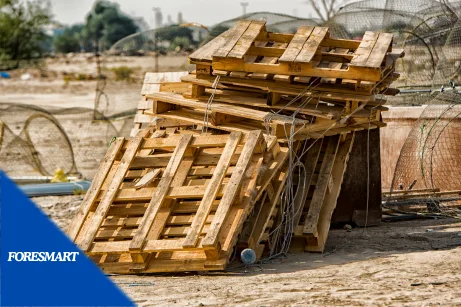
Pallets don’t always make it through the trip in perfect shape. Although it is used for shipping safety and convenience, wood cracks, boxes shift, wrap loosens, or something gets stacked wrong sometimes. When that happens during shipping, you need a quick and sensible way to fix the load so it can move again without holding up the whole line.
The damaged pallet rework is basically a mix of checking the load, figuring out what went wrong, repairing what you can, restacking if needed, and getting the shipment ready again for delivery.
Why Damaged Pallet Rework Matters
Loads get damaged more often than people think. Palletized international cargo may arrive broken because the shipping pallet is leaning, the shrink wrap failed, or the pallet itself is not safe to use. Many carriers also refuse wooden pallets that don’t meet the ISPM 15 wood rules for international shipments.
When the pallet goes wrong during shipping, the trailer or truck sits longer than planned, which costs money and time. When you have a good rework plan, you avoid wasting hours and keep customers from waiting on orders that should have already been on their shelves. That alone makes damaged pallet rework important for any business that ships steady volumes.
On top of that, damaged pallets can put workers at risk and raise the chance of product loss.
Moreover, a good-quality pallet can be repaired multiple times before needing replacement. And repairing a pallet usually saves 30% or above per pallet than buying a new one. The reworking process is also faster than ordering new pallets.
What Usually Causes Pallet Trouble
Most problems come down to a few simple things. Loads get wrapped loosely. Items are stacked with too much overhang or big empty gaps. The pallet carries more weight than it should. Or the pallet itself is cracked or worn out from older trips. Sometimes the load shifts during a bumpy ride or during a transfer from one truck to another. Understanding these issues helps you see what needs to be fixed.
How Damaged Pallet Rework Is Done
Reworking a shipping pallet is not complicated, but you do need a clear routine so nothing gets missed. A basic workflow usually looks something like this:
Step 1. Take a Quick Look and Record the Problem
When the load arrives, check it right away. Take photos of the damage and note if the whole shipment is affected or only a few pallets. These notes help with claims later and also help you see patterns over time.
Step 2. Separate the Damaged Pallets
Move the bad pallets to an area where the rework team can get to them safely. Remove items from the pallet. Keep them labeled so nothing gets mixed up.
Step 3. Review the Shipper’s Instructions
Shippers often give a “disposition plan” which tells the team what to do in case damage happens. That plan may say to fix the load and resend it, return certain items, offer a credit, or even donate or dispose of the freight. Having clear directions saves confusion.
Step 4. Rework or Repair the Damaged Pallet
Here, the hands-on work begins. This can involve restacking boxes, replacing broken boards on the pallet, removing protruding nails, reinforcing weak points, or tightening the shrink wrap. For international shipments with wood packing, an ISPM 15 stamp (stamped after heat treatment or fumigation) is required. If repairs are made, you must make sure the pallet still meets those rules. If not, swap it for a properly marked pallet.
This step usually takes time, but when done carefully, the load becomes stable again.
Step 5. Reload the Pallet and Check
After rework, load goods onto the pallet again. Before the pallet goes back onto the truck or trailer, someone checks the height, stability, wrap tension, and weight. If anything feels loose or uneven, fix it now rather than sending it out again.
Step 6. Final Notes and System Updates
The team notes what they repaired and how long it took. These records help future planning and keep communication clean between the warehouse, carrier, and customer.
Tools and Safety
A proper rework area needs decent tools. Extra pallets, nail tools, rolls of stretch film, strapping tools, tape, and basic PPE like gloves and safety glasses. Damaged wood can be sharp and unstable, so workers need to stay alert. A little training goes a long way, especially with forklifts and pallet jacks moving around.
Why Quick Rework Saves Money
Time eats money in transportation. Slow freight rework services mean extra storage, driver wait fees, and missed appointment windows, especially for Amazon FBA shipping. Many companies choose to partner with rework or transload specialists so they can fix rejected loads faster than they could on their own. A quick turn keeps the load moving rather than sitting there for half a day.
How to Avoid Rework Next Time
Most pallet issues can be prevented with basic habits. Check the pallet before loading. Train packers to avoid overhang. Use good quality film, not the cheapest one you can find. Watch the weight limit on each pallet. Some companies run a small quality check on every outbound load, which helps catch little issues early.
Picking the Right Rework Partner
A rework team can fix a lot, but not everything. Some pallets are beyond saving, especially if the product itself is damaged. Sometimes it is quicker to replace the items or issue a credit instead of fighting with the load.
If you need outside help, choose a provider that communicates well. Look for someone who offers clear pricing and can show you photos of the repaired loads. They should also understand shipping rules. And don’t forget to ask how they handle partial reworks, because many rejected loads only need one or two pallets fixed. You can also contact your freight forwarder, like Foresmart, for damaged pallet rework.
Closing Thoughts
Damaged pallet rework is an economical and green choice in the shipping industry. You can build a clear routine to deal with damaged pallets. Any business that ships on pallets should treat damaged pallet rework as a basic part of their operations rather than a last-minute scramble.