
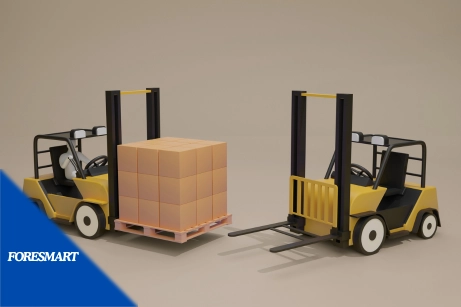
When moving goods from one place to another, pallets are frequently used. Shipping pallets keep the cargo organized, make loading and unloading easier, and reduce damage.
Yet if you are new to pallet shipping, you could be a little confused, as there are different pallet sizes, types, and costs. That’s where our simple pallet shipping guide will help you. By understanding how pallets work and what factors you must consider, you can avoid extra costs and ensure that your goods reach the destination safely.
What Is a Shipping Pallet?
A shipping pallet is a flat platform that is used to stack and move goods easily. Pallets are made so that forklifts or pallet jacks can lift them easily from all sides. These pallets are usually made of wood, plastic, or metal.
They keep boxes away from the ground, which reduces damage from moisture or impacts. The shipping pallets also make loading and unloading faster, as everything is bundled and ready to move. For that reason, pallets are an important part of safe shipping.
Materials of Shipping Pallets
When you are shipping goods on pallets, the type and material of the pallets matter a lot. Depending on the material, three types of shipping pallets are commonly used: wood, metal, and plastic. Each one has its own strengths and weaknesses.
Wood Pallets
These are the most commonly used freight shipping pallets. They are relatively cheap and easy to repair. Softwood pallets are made up of pine and spruce, and these are inexpensive but less durable. On the other side, hardwood shipping pallets, which are made from oak and maple, last longer and handle heavier loads.
A wooden stringer pallet can hold up to 2,500 pounds, while a wooden block pallet holds up to 4,600 pounds.
Plastic Pallets
Plastic shipping pallets are lightweight, easy to clean, and resistant to corrosion or moisture. They are usually used for food, chemicals, or pharma products because hygiene matters here. However, plastic pallets may crack or break under heavy load. So, these only work best for moderate weights.
A plastic pallet can hold up to 5,000 pounds.
Metal Pallets
Metal shipping pallets are made up of aluminum or steel, strong and resistant to damage, humidity, and pests. As metal pallets do not splinter or warp easily, they work best for heavy or specialized shipments. However, they are expensive.
A metal pallet holds up to 4,000 pounds. The type of pallet you use may change depending on how often you ship heavy materials. For instance, if you are shipping around 4000 pounds frequently, then a metal pallet will last you longer.
Types of Pallet Designs
Other than the material of shipping pallets, the way it is built or designed also affects how it will perform during shipping. The two most common designs used in shipping are:
-
Stringer Pallets
-
Block Pallets
Stringer Pallets
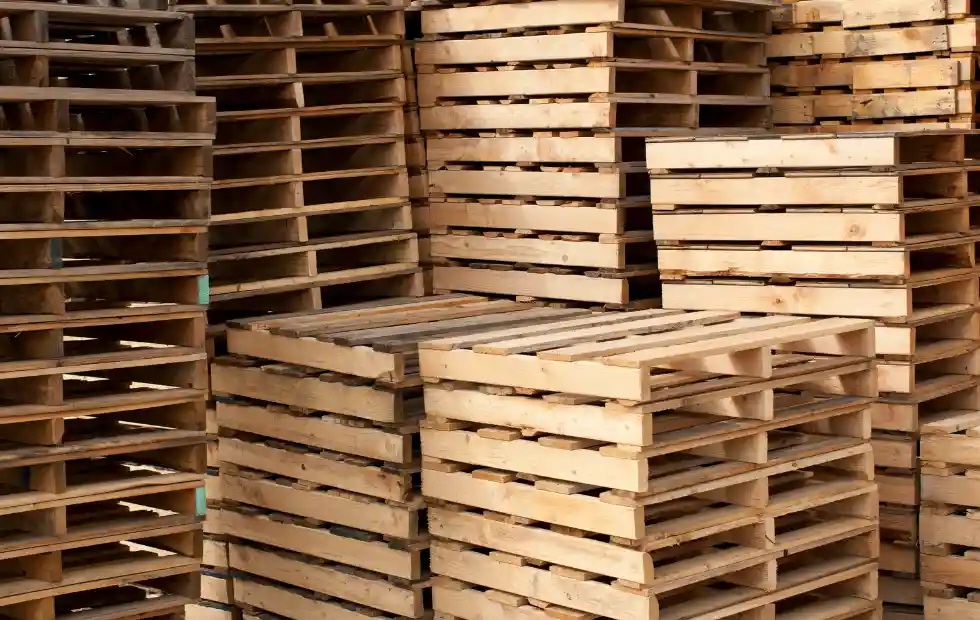
The stringer pallet for shipping is made with parallel pieces of wood or plastic, which are called “stringers”, and they support the top deck boards.
The standard two-way stringer pallet allows a forklift to lift it from both sides, and there is a modified version that allows access from all four sides. These pallets are cost-effective, so most businesses prefer using them for light or moderate loads.
Block Pallets
Block shipping pallets, also known as all sides pallets, use both parallel stringers and additional blocks between the top and bottom decks. This way, pallets are sturdier, and they allow forklifts or pallet jacks to enter from any of the sides.
Block pallets can hold heavier loads compared to a basic stringer pallet. They are frequently used in international shipping, where stronger design pallets are required.
In short, if your shipment is light and cost is a concern, stringer pallets will be enough for you. But for heavy load or international cargo, block pallets are the more durable and flexible option.

How Big Are Pallets?
In pallet shipping, a few standard pallet sizes are used because they stack easily and fit efficiently in trucks and containers.
Standard sizes help in reducing wasted space and simplify packing, stacking, and movement. If you use a standard pallet size for your goods, it will be easier for logistics providers to load more pallets into a truck or container.
Moreover, they reduce the chances of damage or unused space during transportation.
Below we have listed a few commonly used shipping pallet dimensions:
-
48” × 40”- This is the most common pallet size used in North America. It is sometimes called the GMA pallet.
-
42” × 42” – This is a square pallet, which is mainly used for heavier items.
-
48” × 48” – This size is used in industries that require square platforms.
Other sizes, such as 48” × 45” and 36” × 36”, are also used depending on product type or regional preferences.
Things to Consider When Shipping a Pallet
Choosing the right pallet is much more than just wood vs plastic. Your choice may affect the cargo safety, cost, and how smooth the shipment is. Here are a few of the things you must consider.
Strength and Capacity
Choose shipping pallets that are strong enough to carry your full load throughout the stacking, handling and transportation. The boards must be thick and structurally stable for heavy cargo, so nothing bends or breaks during transit.
Meanwhile, take the size of pallets into consideration. If you are going to load your goods with pallets into the container, figure out whether the container is large enough beforehand.
Related reading: How Many Pallets Fit in a 20ft/40ft Container?
Stiffness and Durability
A pallet must resist bending or warping. If your pallet sags on the go, your cargo can shift, and there are risks of damage. Durable material of pallets and good cross-support help in maintaining shape and protect your goods. So always check the state of pallets, especially for second-hand shipping pallets.
Functionality and Equipment Compatibility
Another thing to consider is that your pallets must work with standard forklifts, pallet jacks, and loading docks. If the pallets you’re using are nonstandard or oddly shaped, handling can become difficult and expensive.
Reusability and Cost
Cheaper pallets may save you some money, but they do not last long. A quality reusable pallet might cost you more initially, but it will reduce your long-term expenses. Always do your maths before making the decision. Balance the price with how many times you’ll be able to use it.
Material and Environmental Conditions
Wood, plastic, and metal react differently under different environmental conditions like moisture, heat, or pests.
For instance, wood might swell in humid weather. And wood pallets require fumigation in international shipping, so this adds additional costs. Plastic resists moisture, but it may crack under extreme cold. You must check the environment of the route your shipment will pass through.
Considering these factors will help you in selecting a pallet that will protect your goods, keep your costs controlled, and fit well with your shipping needs.
Best Way to Ship a Pallet
Pallet shipping doesn’t have to be confusing. Follow these simple steps, and you will understand how to ship a pallet smoothly.
Pack Goods Smartly
Get sturdy, undamaged boxes. Wrap fragile items with padding or bubble wrap, and fill any space so your goods don’t shift during transit. This reduces damage risk.
Seal Everything
Use strong tape to seal all seams and flaps of your material boxes. If there are small openings, dust and moisture will let in. Solid sealing will help in protecting your goods and reducing extra handling fees.
Choose the Right Pallet
Pick shipping pallets that fit the standard sizes, are sturdy, and work well with standard forklifts or pallet jacks. Damaged or unstable pallets may incur your extra cost.
Wrap and Secure
Wrap your entire load with stretch tape at least three times from top to bottom. You can also use corner protectors, straps, or bands for added security if needed.
Label goods clearly
Remove old labels and out clear labels with the sender and receiver names. Moreover, put handling instructions on the side of the pallet.
Load Carefully
Place your heavier boxes at the bottom and stack the load evenly. Make sure that your freight load is according to the allowed weight limits.
Conclusion
Choosing shipping pallets may look confusing at first sight. From wood, plastic, or metal pallets to stringer and block designs, every choice will affect how your goods move throughout the supply chain.
But if you pack smart and follow the right steps, you can definitely reduce damage, avoid hidden costs, and ensure smooth international pallet shipping every time. Working with a professional freight forwarder like Foresmart also helps with your palletized freight.
Frequently Asked Questions
How much does it cost to ship a pallet?
The cost to ship a pallet largely depends upon weight, size, distance, and transport type. Consult Foresmart to get the accurate cost for shipping pallets.
What is the typical pallet weight?
The average weight of a pallet depends on the material and size. Generally speaking, wooden pallets are around 10-30 kilograms, plastic pallets are 7-18 kilograms, and metal ones are 23-45 kilograms.
The cost to ship a pallet largely depends upon weight, size, distance, and transport type. Consult Foresmart to get the accurate cost for shipping pallets.
The average weight of a pallet depends on the material and size. Generally speaking, wooden pallets are around 10-30 kilograms, plastic pallets are 7-18 kilograms, and metal ones are 23-45 kilograms.