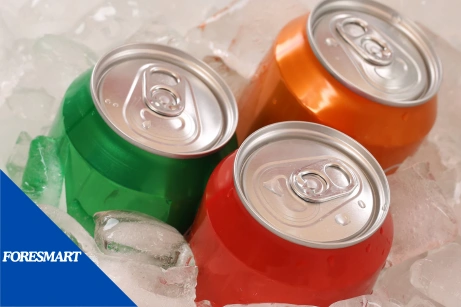
FMCG (fast-moving consumer goods) are products specifically characterized by high turnover rates and rapid consumption. They are often bought frequently, have low cost, and are an integral part of daily life.
Features of FMCG goods
The FMCG goods don’t intend for a long period of time but are consumed quickly. This instant turnover rate means that these products are constantly in demand and are a critical component of retail markets.
Some of the key FMCG characteristics are:
High Demand
FMCG goods are either day-to-day products or are something trendy.
Low Cost
These products are usually low-cost and are in an affordable range. This encourages users to purchase them. You might think the profit of FMCG goods is low, but the large demand makes it profitable for distributors.
High Turnover Rate
FMCG goods like food, skincare, or personal hygiene items are required frequently. Because they are sold out frequently, these products require frequent replenishment.
Mass Distribution
FMCG products are widely available through various retail channels, including online stores, local shops, and markets, making them easily accessible to consumers.
Types of FMCG goods
FMCG has a broad range of categories, for example:
Food
Foods like dairy goods, beverages, or bakery items belong to FMCG goods.
Self-Care Items
Self-Care Items include hygiene products such as toothpaste, soaps, as well as body washes and skin care. They are widely used in grooming and enhancing personal hygiene.
Household Items
Household products include household cleaning supplies such as detergents, paper towels, and toilet paper, used for home maintenance.
Medicines
Over-the-counter (OTC) medicines like some Laxatives, Cough medicines, or aspirin. These medicines are bought for daily life health maintenance or treating minor cuts and diseases.
FMCG supply chain insurance
Given the difficulty of managing a global supply chain for FMCG goods, FMCG supply chain insurance can be useful. Insurance for consumer goods is designed to cover a range of risks associated with the entire supply chain process, no matter they are transport-related or distribution, they provide comprehensive protection against FMCG goods.
The interesting note about this insurance is that it covers damage, theft, and other big risks that may affect the supply chain of FMCG products. Two key aspects of FMCG supply chain insurance include:
Customized Policies
The policies can be designed to fulfill the needs of FMCG products, considering perishability, value of the product and as well as handling requirements.
Risk Management
It helps to manage risks for businesses and ensure that all operations run without any hurdles, reducing the potential financial losses.
How to choose the right insurance policy for FMCG goods
There are a lot of insurance options available in the market. However, choosing the right coverage can be daunting without adequate information. To streamline the process and ensure effectiveness, companies should:
Evaluate Risk Factors
Consider all the aspects of the products, from value damage to perishing and vulnerability.
Determine Coverage Requirements
Make sure to assess the risk first and determine the level of assistance you require. You may need insurance for breakage, theft, or spoilage.
Research Insurance Providers
You can look into FMCG cargo insurance providers with years of experience and a reliable track record of services.
Compare Policies
You should compare and review different insurance policies to find the best coverage that suits you. While choosing a coverage plan, you should consider the policy limitations, additional coverage options, and exclusions.
Conclusion
Understanding FMCG cargo and related insurance helps companies protect themselves, reducing the financial loss which is associated with spoilage, damage, theft, and any other risks during the transit.
We understand the fast-paced nature of the FMCG industry and the critical need for reliable, efficient logistics. That’s where Foresmart come in. Leave your shipping to foresmart, ensuring your goods reach their destination on time and in optimal condition.
FAQs
What are examples of FMCG products?
FMCG (Fast-Moving Consumer Goods) products include items that are used frequently and have a short shelf life. Examples include food items like canned goods and dairy products, personal care products such as toothpaste and deodorants, and other household items.
What are the top FMCG goods companies in the world?
The top FMCG companies include Nestlé, PepsiCo, Proctor and Gamble (PG), Unilever, JBS Foods (JBSAY), etc.
Are FMCG and CPG the same thing?
FMCG (Fast-Moving Consumer Goods) is a subset of CPG (Consumer Packaged Goods), focused on quickly sold, low-cost items with high turnover rates, like food, beverages, and personal care products.
While CPG refers to all packaged products regularly used by consumers, including both fast- and slow-moving items.