
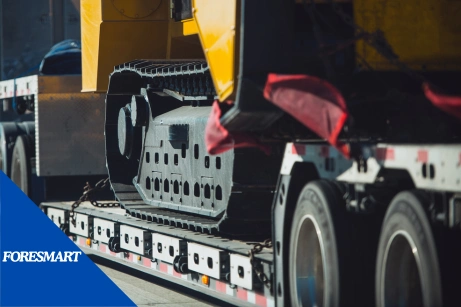
The amount of project cargo that is shipped worldwide each year can be worth millions, if not billions, of dollars. Project cargo freight forwarders are pros at making sure these big shipments get where they need to go.
In this blog, we’ll cover everything you need to know to handle your project cargo shipping smoothly. We’ll explain every single detail of how these cargo experts manage the shipping, from planning the route and managing necessary paperwork for the safest delivery of oversized or valuable cargo.
What is project cargo?
Project cargo or oversized cargo can mean one or several types of goods that require special transportation due to their size, weight, or value. For instance, equipment such as cranes and turbines is classified as project shipments since they cannot fit in standard shipping containers. This implies that they need to be loaded and secured in special equipment.
They are usually high-value cargo, like medical equipment and electronics among others. These products require careful handling during transportation to avoid cases of damage. For example, the complicated medical devices being used in a hospital require proper packaging and handling in order to get to their destination in working condition. If they get shifted, tilted, or fall during transport, there will be a great loss.
What to look for in a freight forwarder for oversized shipments
You should choose those international project cargo logistics companies that have adequate experience in dealing with bulky and complicated shipments. Their project cargo services done in the past will enable them to overcome many problems that may arise. Some key factors to consider include:
-
Customs and Paperwork: The forwarder should be in a position to know the customs of the country and all the documents that are required for shipping. Oversized cargo is typically subject to complex customs requirements and the need for special permits.
-
Transport Knowledge: Make sure your forwarder knows how to handle different ways of transporting cargo, like by road, sea, or air. They should be able to choose the best option while taking into account the need for cranes, forklifts, or specialized lifting equipment during handling.
-
Carrier and Port Connections: Look for a forwarder who has good connections with different carriers and ports. These connections can help them get better rates and faster service for your shipment.
-
Customer Service: Check how well they communicate and how responsive they are. A good forwarder will keep you informed throughout the shipping process and answer any questions you have.
-
Problem Solving: Make sure they are responsive and can quickly solve any problems that come up during shipping.
What are project cargo logistics services?
Unlike regular freight, project shipments mostly contain oversized, heavy, or delicate items that need much larger space and some good care.
This needs some extra planning of the best transport routes, handling customs paperwork, and making sure everything is safely loaded and delivered on time.
Oversized cargo freight forwarding focuses on the difficult challenges of moving large and heavy items. Project cargo freight forwarders, who are the experts in this area, make sure that oversized cargo is transported correctly.
At Foresmart, we know that project or oversized cargo is more than just big shipments—it’s a big responsibility. Whether it’s factory equipment, wind turbines, or mining gear, we provide:
-
Route surveys and risk assessments
-
Oversized/overweight transport solutions
-
On-site coordination and lift supervision
-
Customs and documentation expertise
From China to the world, we ensure that your cargo gets where it needs to go, safely and on schedule.
Explore Foresmart’s OOG cargo freight services.
Can project or oversized cargo be covered by insurance?
Project shipment can and should be covered by insurance. It helps protect your shipment from problems like damage, theft, or accidents during transport. This is especially important for valuable or delicate items, such as large machinery or special equipment.
There are different types of insurance for project cargo, depending on how the goods are being transported. For example, marine insurance covers shipments sent by sea, while air cargo insurance covers items transported by plane. There are also policies for road and rail transport to protect against issues that can happen during land travel.
When choosing insurance, work with a provider who understands the unique needs of your project shipment. They can help set up a policy that fits the size and value of your shipment. The best strategy is to make sure the insurance covers the full value of your cargo.
Tracking and updates on project cargo
Modern technology makes it easier to monitor large and complex oversized cargo logistics throughout their journey.
You can easily track using GPS and other tracking systems to get real-time information about the cargo’s location. This means you can see where your shipment is at any moment and get notified of any delays or issues with your carrier’s tracking systems.
Updates can be provided by your freight forwarder, who informs you about important stages in the shipment process, such as when the cargo leaves a warehouse or arrives at a port.
A proactive freight forwarder who closely monitors your shipment can save you considerable time and effort. They can also address any issues promptly, helping to reduce potential losses.
Is project cargo the same as breakbulk cargo?
Project cargo and break-bulk cargo are different types of shipments. Project or oversized cargo involves large, complex, or high-value items. These shipments are often heavy and delicate.
For example, moving a huge crane from a factory to a construction site is considered project cargo. This process needs special equipment and permits to handle the cargo properly at every step.
Breakbulk cargo shipping, on the other hand, consists of goods that are not in standard containers and are loaded individually. This can include items like large pieces of machinery, steel beams, or pallets of goods. For instance, shipping big bundles of steel or crates of machinery parts by sea involves placing and securing these items in the ship’s hold.
While both project cargo and break bulk involve large or heavy items, project shipments usually need more detailed planning and special handling compared to break bulk.
What’s the cost of shipping project cargo?
The cost of oversized cargo handling can vary significantly based on several factors. First, the size and weight of the cargo play a major role. Larger and heavier items generally cost more to transport because they require special equipment and more space. For instance, shipping a massive piece of industrial machinery will be more expensive than transporting smaller, standard goods.
Distance and destination also impact costs. Longer distances and remote locations typically incur higher transportation fees due to increased fuel consumption and logistical challenges. For example, shipping cargo from one continent to another is more expensive than a domestic shipment. Transport mode is a major key factor:
Sea freight is used most frequently because it usually has a low cost, which makes it cost-effective for large, heavy items. If you compare air freight instead, it is much faster but way more expensive and costly for larger shipments.
Imagine you need to transport a large piece of machinery from China to the United States. Using sea freight would be much more cost-effective because it is designed for handling heavy and bulky items at a lower cost.
You should also keep in mind that some special requirements, like permits, customs fees, and insurance, can further affect the total cost. Items that need special handling, such as oversized or fragile cargo, may require some additional services and equipment, which can eventually increase expenses.
Conclusion
We hope this blog has answered your questions about project cargo freight forwarders. If you have more questions or need any help, just let us know. We’re here to make sure your shipping process goes smoothly.
FAQs
What are the common challenges in shipping non-standard cargo?
Common challenges include dealing with oversized dimensions, securing the cargo properly, navigating complex transportation, and managing permits and regulations. Weather conditions and customs delays can also be issues.
How can I reduce the cost of shipping project cargo?
To reduce costs, plan your shipment in advance, choose the most cost-effective transport mode, consolidate shipments when possible, and work with a forwarder who can offer efficient routing and handling solutions.
How long does it typically take to ship non-standard freight shipments?
Shipping time can vary widely based on the cargo’s features, like size or weight, and destination, as well as the chosen transport mode and route. Your freight forwarder can provide a more accurate estimate based on your specific shipment.
Can oversized and heavy-lift cargo be split into smaller shipments?
Yes, in some cases, your project cargo freight forwarders can help to split your cargo into smaller, more manageable shipments. This can be done to simplify transport or reduce costs, but it requires careful planning to make sure all parts arrive safely and on time.