
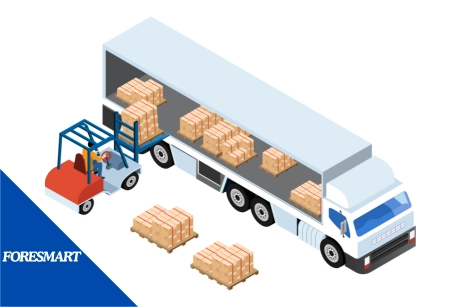
Transloading refers to the process of transferring goods between different transportation modes—such as from a train to a truck or from a ship to a warehouse—to optimize efficiency and reduce costs.
Research shows that transloading services can cut transportation costs by up to 15% and expedite delivery times by up to 20% in some cases. Businesses utilize transloading services to streamline supply chains, ensuring faster delivery and improved inventory management.
How does transloading work?
Transloading involves unloading goods from one type of transport and reloading them onto another. Let’s understand it with an example: A company shipping electronics from Taiwan to the USA may move goods by ocean freight to a port and then transfer them to trucks or trains for final delivery. Transloading and distribution services play a crucial role in reducing delays and optimizing freight handling.
Key benefits of transloading
Boosting efficiency and flexibility
Transferring goods between modes of transport such as trains, trucks, ships, or planes, enables your company to select the best transport method for each leg of the journey.
-
Long-haul shipping: Rail and ocean freight for cost savings.
-
Last-mile delivery: Trucks for faster distribution.
-
Emergency shipping: Air freight when time-sensitive.
Saving money and optimizing routes
-
Combining transport modes helps businesses cut down on fuel costs and operational expenses. Choosing trains for the bulk of the journey and then transitioning to trucks for the final round is often cheaper than relying completely on trucks for the entire trip.
-
By optimizing transportation routes and strategies, companies can reduce fuel expenditures and overall logistics costs making their supply chain more budget-friendly.
Increasing supply chain agility
By seamlessly switching transport modes, businesses can quickly adapt to:
-
Changes in shipping routes
-
Supply chain disruptions
-
Seasonal demand fluctuations
What is the transloading facility?
Transloading facilities are specialized hubs where goods are transferred between different modes of transportation, such as from trucks to trains, ships to trucks, or rail to drayage services. These facilities streamline logistics by optimizing transportation routes, reducing costs, and improving delivery times. They include:
-
Warehousing and Storage – Temporary holding areas for transloaded goods.
-
Heavy Equipment and Cranes – Used for moving bulk or oversized cargo.
-
Sorting and Consolidation Areas – These are where shipments are organized for final delivery.
-
Rail and Truck Access – Enabling efficient railroad transloading and road transport.
Which products are suitable for transloading?
Transloading is ideal for industries that require flexible and efficient logistics.
Household Goods & Retail Products:
Furniture – Sofas, beds, dining tables, chairs, wardrobes.
Electronics – TVs, laptops, appliances like washing machines or ovens.
Clothing – Shirts, pants, jackets, shoes, accessories (hats, belts).
Packaged Goods – Snacks (chips, cookies), canned foods (soups, vegetables).
Food & Beverage
Perishable Goods – Fresh produce (fruits, vegetables), dairy products (milk, cheese, yogurt), meats (beef, chicken, seafood).
Beverages – Soft drinks (sodas, lemonades), juices (orange, apple), alcohol (beer, wine, spirits).
Frozen Foods – Ice cream (vanilla, chocolate), frozen vegetables (peas, corn), frozen meals (pizza, dinners).
Industrial Supplies
Machinery Parts – Engines (diesel, electric), pumps (water, fuel), gears (metal, plastic), bearings.
Tools – Hand tools (hammers, screwdrivers), power tools (drills, saws).
Building materials – lumber, cement, insulation.
Medical & Hazardous Materials:
Pharmaceuticals – Prescription medications (antibiotics, pain relievers), over-the-counter drugs (cough syrup, allergy tablets).
PPE – Gloves, masks, face shields.
Chemicals – Solvents, fuels, flammable substances.
Transloading vs. Intermodal Shipping
Transloading and intermodal shipping are both ways to move goods efficiently but they differ in their approach.
Transloading services require unloading and reloading cargo, whereas intermodal shipping keeps goods in the same container throughout transit. Goods are packed in an intermodal container that can be easily moved, by trains, trucks, and ships without being unloaded or repackaged. This method is well-suited for long-haul shipments that benefit from continuous transport.
Transloading vs. Cross-Docking
Transloading services means transferring goods between transport modes. To get these electronics to their final destination, they need to be transferred from the ship’s containers to trucks or trains.
Cross-docking is about quick transfers. Imagine a warehouse where products arrive from various suppliers. For instance, a warehouse might receive seasonal clothing in the morning and immediately send it out to stores that afternoon. This method speeds up delivery times by minimizing storage time and moving goods straight from incoming to outgoing transport.
How to make transloading services more effective
Upgrade your shipping strategies
When your business is growing, take a look at your shipping strategy to meet the changing demands.
Choose transloading facilities with strategic locations.
Regularly review shipping routes to optimize transit times and costs
Maximize shipments, minimize costs
Pack efficiently to reduce handling time and prevent damage. Make sure to prepare your cargo properly. Securely pack your items and label them clearly to avoid any mix-ups or damage during the transfer process
Consolidate shipments to fill containers and lower per-unit costs. You can store the cargo first and wait to fill a whole container, shipping everything at once.
Use Less-than-Container Load (LCL) shipping for small quantities. To save the storage and warehousing fees, you can also choose LCL shipping for your small quantity of goods.
Always plan your shipping in advance.
Trust the logistics professionals
Coordinate the timing between different transport modes to avoid delays. Stay in communication with the facility and transport providers to quickly resolve any issues and keep everything running well.
Relying on international logistics experts like Foresmart is important. These professionals are well experienced in handling the intricacies of transporting goods from country A to country B. They can take care of all the processes such as optimizing routes, reducing costs, and ensuring compliance with regulations. With the help of their expertise, your transport can be free of errors, and benefit from their extensive knowledge.
Final Thoughts
We hope this blog has helped you understand what is transloading. By leveraging transloading services, businesses can enhance their supply chain efficiency, cut transportation costs, and improve delivery times.
For more insights on optimizing your supply chain with transloading services, contact a trusted logistics provider today! Knowing how these shipping methods work can help you make better decisions when shipping goods across borders.
Frequently Asked Questions
Can transloading services be used for shipping goods internationally?
Absolutely! Transloading facilitates the movement of goods from ships to trucks or trains at ports, and streamlining the process often reduces costs for global shipping.
What should I consider when selecting a transloading facility?
Look for facilities with:
-
Strategic location near transport hubs
-
Advanced handling equipment for safety
-
Experienced staff to ensure efficient cargo management