
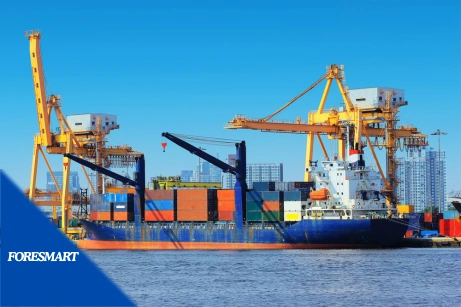
The maritime industry supports much of international trade, using different kinds of ships to carry goods around the globe. All of these ships are made for particular jobs and every one of them helps maintain the world’s supply chains, supports activities at sea, and guarantees safe and efficient journeys.
In this article, we will look at the different types of ships, as we see them today, and what they are used for.
What Are Ships?
Ships are large boats made to travel on oceans, seas, and big rivers. They are built to carry people, goods, or both over long distances. It is noted that ships are much bigger than regular boats. They can carry thousands of tons of cargo and travel between countries and continents, playing a vital role in global trade.
Types of Ships
Ships are classified based on their purpose. The main categories include cargo ships, passenger ships, tanker ships, and naval vessels, and they’re all built to complete dedicated tasks.
Every category consists of numerous subtypes that play their own roles.
To achieve maximum efficiency and better safety on the seas, maritime professionals select the proper type of vessel for each specific purpose.
Cargo Ship Types
The most frequently used vessels in commercial trade are the cargo ship. Unlike air transport, they can carry a wide variety of commodities, either loose or in containers, and are key to the worldwide trade network. Common kinds of cargo ships include container ships, bulk carriers, and general cargo vessels. Let’s look at this in more detail.
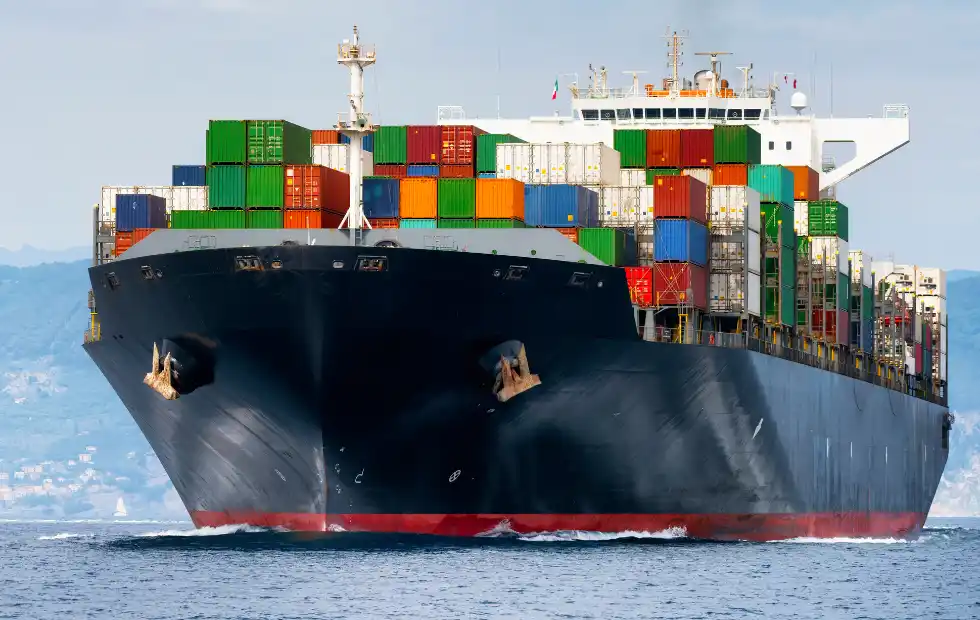
Container Ships
Feeder vessels, Panamax, and ultra-large container vessels are some of the most common container ships. They come in all shapes and sizes, including tiny feeder vessels and ultra-large container vessels that can carry more than 20,000 containers. Using container ships for logistics is highly effective. The cargo on the ships is locked in containers, and the loading and unloading process can be streamlined by transport tools such as forklifts.
Bulk Carriers
The main job of bulk carriers is to carry large units of unpackaged products such as coal, crops, ores, and cement. These ships are designed to keep bulky goods safe during transport. They support the raw materials industry, filling the needs for different sectors like energy and construction.
General Cargo Ships
The main purpose of this kind of ship is to move goods that are not suitable for container or bulk handling. Most of the time, cargo ships carry machinery, vehicles, packaged goods, and building materials.
Their onboard available cranes allow them to function seamlessly in places where port equipment is minimal. General cargo vessels may be less familiar to the public, but they meet specialized needs, such as transporting large or irregularly shaped equipment.
Related Reading: OOG Freight Service
Tanker Ship Types
The classification of tanker ships is based on the type of liquid cargo being shipped. Each type is designed with containment systems to prevent leaks and keep the hazardous materials safe for transport. All tanker classifications follow strict safety and environmental regulations. These different types of vessels include:
Oil Tankers
Oil tankers transport crude oil and refined petroleum products. Large crude oil ships are used to ship such resources over long distances. This category of ships has separate sections, another hull inside, and emergency systems to discourage spills and fires, ensuring safety.

Chemical Tankers
Chemical tankers transport dangerous or reactive chemicals. Given that such chemicals can be harmful to both the environment and the personnel on board, manufacturers develop such ships with spill protection under legal regulations.
LNG and LPG Carriers
Gas is moved in the form of liquid by LNG and LPG carriers. With insulation and pressurizing technology, the cargo ships store gas at specified temperatures. Doing so not only maintains the quality of the material but also reduces the risk of spillage.
Reefer Ships and Special Temperature-Controlled Vessels
Freezers are essential for maintaining temperature control in the global food and healthcare sectors. Perishable items like fruits, vegetables, meat, seafood, and pharmaceuticals are carried on this reefer ship.
These kinds of ships usually carry reefer containers, but they can also accommodate a limited number of regular containers.
Ro-Ro Ships
Ro-Ro ships have been used for decades by vehicle manufacturers or importers who want to transport their goods at a rather cost-effective price. The cargo on Ro-Ro (roll-on/roll-off) ships includes cars, trucks, and trailers. Loading and unloading take only a short time because drivers can drive their vehicles straight onto or away from the ship. Such ships work best for traveling in short sea shipping.
Offshore and Special Purpose Vessels in the Maritime Industry
Special-purpose vessels in the maritime industry carry out tasks that normal cargo ships or tanker ships cannot handle. These boats have their own designs and sophisticated technology for specific operations. Some common special-purpose vessels in the maritime industry include:
Offshore Support Vessels (OSVs)
OSVs help oil and gas drilling platforms by bringing equipment, workers, and other necessities. They are made to operate in harsh conditions and this ship type can be further divided into Platform Supply Vessels (PSVs), Anchor Handling Tug Supply Vessels (AHTSVs), and Emergency Response Vessels (ERVs).
Dredgers
Dredgers dig up mud from underwater to keep or make harbors and waterways deep enough for shipping. They dredge out gravel, sediment, and debris. Many dredger ships use cutter suction dredgers or trailing suction hopper dredgers for their work. Dredging is also used for projects to reclaim land and to put sand onto beaches.
Cable-Laying Ships
These ship types are used to lay and look after communication and power cables underwater. Thanks to highly accurate aids for steering and large cable drums, they lay undersea cables used for the internet, telecommunications, and other projects.
Icebreakers
Icebreakers are designed to operate in icy waters. Their hulls are built to withstand strong pressures, and they are powered to break through thick ice in the water. These ships make research, trade, and supply work be carried out smoothly regardless of the season.
Research and Hospital Ships
Marine biologists, oceanographers, and those studying climate use research ships as moving laboratories. They are equipped with advanced sensors and sampling equipment.
Unlike other vessels, hospital ships are equipped to provide medical support during emergencies, natural disasters, and humanitarian missions. On board, they have operating rooms, hospital wards, and trained medical personnel.
Passenger Ships and Ferries
Passenger ships transport people across seas, lakes, and rivers. These include ferries, cruise ships, and ocean liners. Short ferry routes are common, often carrying vehicles as regular cargo. These vessels provide essential transportation for tourism and public use, especially in island and archipelago nations.
Naval and Defense Ships
They serve in patrolling and safeguarding a nation’s territorial waters. The list of surface ships includes aircraft carriers, destroyers, frigates, and patrol boats. Equipped with weapons, sensors, and defenses, these ships guard the waters around a nation and support activities by the military. They often participate in helping out during times of humanitarian and disaster relief.
Conclusion
The sea freight industry makes use of different kinds of ships for different purposes. The growing demand for efficiency and sustainability is increasing the use of special-purpose vessels. Such demands continue to fuel the maritime development. Knowing about these various types of ships may help you better understand how the maritime industry functions.
Frequently Asked Questions (FAQs)
What are the main types of cargo ships?
Among the different types are container ships, bulk carriers, and general cargo ships, all created to serve certain cargo functions.
Why are reefer ships important?
To keep food and medicine fresh and usable, they guarantee these perishables are moved in controlled temperature zones.
What do dredgers do?
These vessels help remove underwater accumulation from waterways and help ensure the operational efficiency and shipping safety of trade routes.