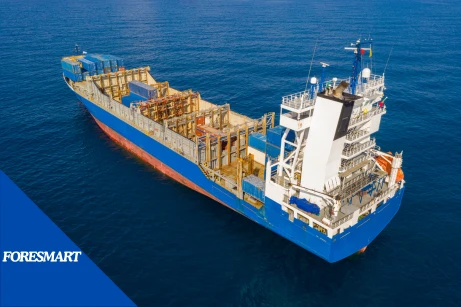
If you’re in the shipping and logistics business, you may heard of feeder ships or feeder vessels, and they don’t get enough credit for how well they keep things moving around the world. When it comes to international shipping, big container ships are mostly used. But the smaller ship called the “feeder vessel” keeps these bigger ships running more smoothly.
In sea freight, a feeder ship is a small to medium-sized ship that moves containers between smaller regional ports and larger hub ports. The main trade routes between major international ports are generally served by the big ships, which are called “mother vessels.” As they are so big, they often cannot dock at smaller ports. Feeder ships are then necessary to connect smaller ports to the bigger global network.
In this article, we will learn all about feeder vessels and why feedering is so important in the shipping industry. Let’s get into it!
The role of feedering in the supply chain
Imagine a huge ship or a mother vessel that is carrying a lot of containers. Some of these containers are going to smaller ports, maybe in towns on the coast or in island nations. Just like transloading, feeder ships in shipping are used to transport cargo to these places instead of huge vessels making multiple stops, making sure that the goods get to reach their final destinations more safe and efficient. Without feeder ships, cargo would have to be carried by land, which can be expensive and time-consuming. Here’s how they fit into the broader supply chain:
First Leg:
Goods are loaded onto huge container ships that move along main trade routes and only stop at big, well-equipped hub ports.
The second leg:
This starts at the hub ports, where feeder ships pick up the cargo and take it to smaller ports in the region.
Final Destination:
When the goods get to the smaller port, they are unloaded and distributed to other places in the region or transported further inland.
Feeder vessel network
The feeder vessel network is a complex system of shipping routes that links smaller regional ports to larger international shipping networks. This network is crucial for keeping the global supply chain going, especially in areas with lots of small cities or island countries. One place where feeder ships are very important is Southeast Asia, where countries like Indonesia and the Philippines are made up of thousands of islands.
By linking smaller island ports to bigger hubs like Singapore, these ships create a feeder vessel network that ensures supplies can reach even the most remote places. This method is used in Asia, parts of Africa, Europe, and the Caribbean.
The feedering network does two things:
Local Distribution:
When things are moved between ports in the same area, they are called “local distribution.” This is done by feeder vessels.
Global Connectivity:
Feedering makes it possible for even the smallest port to access international trade routes by connecting smaller ports to larger global hubs.
Differences between feedering vs. mainline shipping
Mainline shipping and feedering are both important parts of the shipping business. Knowing the differences between regular shipping and feeder ships can help you see why both are important for a supply chain to work well.
Size
Mainline vessels are much bigger than feeder vessels. Feeder ships typically carry between 300 and 3,000 containers, whereas mainline vessels, such as those used by companies like Maersk or MSC, can carry tens of thousands. The smaller container ships can get into smaller places and navigate shallow water, which the bigger ships are not capable of doing.
Routes
Mainline vessels travel on the main trade routes around the world, usually between major ports like Los Angeles, Rotterdam, or Shanghai. Feeder vessels, on the other hand, move cargo between smaller ports and the mainline hubs along secondary routes.
Function
One of the primary functions of regional feeder shipping is to serve local markets that don’t have access to major international ports. Transporting goods over long distances is very efficiently done by mainline shipping. But these big ships can’t stop at every small port they come across. Feedering makes it possible for things to be carried to smaller, regional locations without slowing down the main ships.
Related reading: How Long Does Sea Freight Take?
To import goods from larger international ports, many ports in Africa, Southeast Asia, and the Caribbean rely on feeder ships. In the absence of feedering, these local markets would either not be able to trade with the rest of the world or would have to pay a lot more for shipping. Sometimes, feeder vessels are the only way to get things to places that are hard to reach economically.
So feeder ships ensure that even the most remote regions stay connected to the global economy, while regular shipping handles the majority of international trade.
The advantages of feedering
Feedering has many advantages which makes it very important to the shipping industry. Let’s take a look at its advantages:
Cost Efficiency
Feedering cuts down on the number of stops that large container ships must make, saving money on fuel and running costs. Feeder vessels help the bigger ships to stay on their main routes, lowering the overall cost of shipping. They do this by concentrating on shorter regional routes.
Related reading: How Sea Freight Is Calculated?
Access to Remote Areas
As we already mentioned, regional feeder shipping enables consumers and companies in far-off places to receive goods from all over the world by linking these smaller ports to bigger hub ports. This is especially important for island countries and places where infrastructure isn’t very good yet.
Reduced Congestion
Redistributing goods to smaller ports helps feeder vessels reduce overcrowding at larger ports. Without feeder ships, big hub ports would get too full of containers, which would slow things down and make logistics harder.
Environmental Benefits
The shipping industry still has challenges with pollution, but feedering helps the industry work more efficiently by cutting down on the number of stops that bigger ships have to make. This will help cut down on fuel use and pollution in the long run.
Challenges faced by feedering
Even though feeder vessels contribute a lot to the shipping industry, it also has some challenges. Some of the difficulties faced by these ships include:
Limited Capacity
Only a small portion of the goods that a mainline vessel moves from port to port can be carried by feeder vessels. This means that smaller regions may have to wait longer during busy shipping times because feeder ships may not have enough room.
Scheduling Coordination
Feeder vessels must be carefully planned to arrive at hub ports on time to pick up or deliver goods. Any delays can cause problems further down the supply chain, which can impact the delivery times.
Weather Conditions
As feedering tend to operate near the coast, they are more likely to be delayed by bad weather like storms or rough seas. This might delay the shipping schedules and be more time-consuming.
Innovations and future of feeder vessels
Major advancements in efficiency and sustainability are shaping the future of feeder vessels in shipping. The adoption of green technology is one important area of growth. A lot of companies are putting money into hybrid and fully electric vessels, as well as engines that use less fuel. This helps cut down on pollution and is in line with efforts to make the world more sustainable.
Automation is also beginning to play a part in the industry. For example, self-driving feeder ships are being tried to cut down on labor costs and boost operating efficiency. Ports are changing as these vessels get more advanced technology.
With the rise of smart ports, feedering can make the best use of their schedules by using real-time data to plan when to load and unload, which cuts down on delays. All of these improvements should make feeder vessels better for the environment and more profitable, which means they will continue to be an important part of world trade for a long time.
Final Words
There you have it! Feedering is a vital part of logistics worldwide. They link smaller ports to larger international hubs so that things can get to even the most rural places.
The feeder vessel network keeps costs low and speeds up the movement of goods. It contributes to the world economy by creating feeder vessel connections between regional and international trade routes.
And as technology improves, feedering will likely become even more eco-friendly and efficient. This will make them even more important in global trade for many years to come.
FAQs
What is the role of a feeder vessel in shipping?
A feeder vessel or a feeder ship moves goods between smaller regional ports and bigger hub ports. Feedering helps connect remote areas to major shipping routes around the world and makes sure that goods are distributed effectively in the supply chain.
What’s the difference between feeder vessels and mainline vessels?
While mainline vessels are much larger and travel long distances between major global ports, feeder vessels are smaller and work on regional routes, connecting smaller ports to major international hubs.
What are the future innovations in feedering?
Greener technologies, such as hybrid and electric engines, are being used on feeder ships to cut down on pollution. More and more things are being automated, and autonomous ships are being tried. Smarter ports are also using real-time technology to speed up loading and unloading, which will make feedering more efficient in the future.