
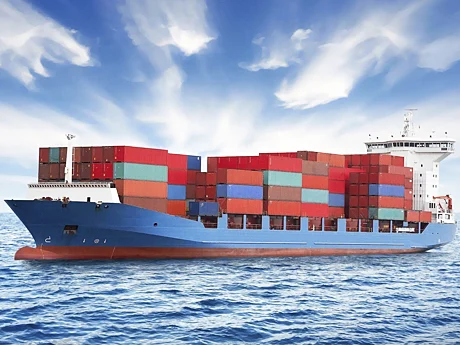
Sea freight is often the most cost-effective option for importing larger shipments — but the final cost is rarely just the ocean freight rate. Importers also need to account for container type, shipment volume, port charges, customs fees, inland delivery, and possible surcharges. This guide breaks down what makes up sea freight shipping costs, how to read a quote, and how to avoid surprise charges before your cargo arrives.
What Are Sea Freight Shipping Costs?
Sea freight shipping costs cover everything involved in moving goods by ocean from one country to another. For importers, this usually goes well beyond the base rate from port to port.
Depending on the quote, the price may or may not include pickup, export handling, port charges, customs clearance, destination fees, and final delivery. A port-to-port quote, for example, covers only the ocean leg — you would still need to arrange and pay separately for trucking, customs clearance, import duties, taxes, and warehouse delivery.
That is why comparing quotes requires more than looking at the headline number. A lower freight rate can end up costing more once destination charges and delivery fees are added.
How Are Sea Freight Shipping Costs Calculated?
Ocean freight is not priced by weight alone. The calculation depends on cargo volume, route, and included services, so understanding how sea freight is calculated helps importers compare LCL and FCL quotes more accurately. The two most common shipping methods — LCL and FCL — each follow a different pricing model.
LCL (Less than Container Load) is priced by cargo volume. Your goods share container space with other shipments, so you pay only for the CBM your cargo occupies.
Example: 3 CBM × $80/CBM = $240 basic ocean freight
Keep in mind this is only the ocean leg. The final LCL invoice typically also includes origin handling, destination handling, documentation fees, and customs clearance.
FCL (Full Container Load) is priced by container type. You book the entire container — whether a 20ft, 40ft, or 40ft high cube — and pay a flat rate regardless of how much space you actually use, as long as your cargo fits within the container’s weight and volume limits.
Example: 1 × 20ft container at $1,500/container = $1,500 basic ocean freight
In short: LCL is charged by volume, FCL by box. Either way, always check whether the quote also covers port charges, customs clearance, and delivery — those extras can significantly change the total cost.
What Fees Are Usually Included in a Sea Freight Quote?
A complete sea freight quote is typically broken down by shipping stage. Rather than focusing on the total alone, importers should read each section carefully to understand what is and is not covered.
Ocean Freight Charge
This is the core cost of moving your cargo from the origin port to the destination port — the foundation of any sea freight quote. For LCL, it is based on cargo volume; for FCL, it is based on container type.
Origin Charges
These are the costs incurred before the cargo leaves the origin country: pickup from the supplier, warehouse handling, export customs declaration, documentation fees, and terminal handling at the origin port. Some quotes omit these entirely, so it is worth confirming upfront.
Destination Charges
These fees apply once cargo arrives at the destination port — terminal handling, unloading, document release, and port fees. This is where many importers encounter unexpected costs. A quote that looks competitive can become expensive if destination charges are not clearly itemized.
Customs Clearance Fees
These cover the import declaration process and related customs services. Note that customs clearance fees are separate from the actual duties, VAT, or GST owed to the government. Many quotes include the service fee but exclude government taxes — check this carefully before confirming.
Inland Delivery Fees
If your quote includes door-to-door delivery, inland trucking from the destination port to your warehouse will be part of the cost. If the quote is port-to-port only, you will need to arrange and pay for local delivery separately.
Documentation and Handling Fees
These cover bills of lading, shipping documents, release paperwork, and coordination by the freight forwarder. They may seem minor compared to the ocean freight rate, but they add up — especially for smaller shipments.
What Factors Make Sea Freight Costs Go Up or Down?
Even when cargo size stays the same, sea freight costs can vary considerably depending on the route, the season, port conditions, and the scope of services required.
Shipping Route and Destination Port
High-traffic trade lanes tend to offer more competitive rates; less common routes or remote inland destinations typically cost more. Destination port conditions also matter — some ports carry higher local charges, longer wait times, or more complex handling requirements.
Cargo Volume and Container Use
For LCL shipments, more CBM means a higher cost. For FCL, the container type you choose drives the rate. Inefficient packaging — oversized cartons, irregular shapes, wasted space — can increase the chargeable volume and raise costs unnecessarily.
Seasonality and Peak Shipping Periods
Ocean freight rates tend to spike before major holidays, retail sales seasons, and factory shutdowns. During peak periods, vessel space tightens and carriers charge higher rates. Booking late during these windows can mean paying more and having fewer sailing options.
Fuel Costs and Carrier Surcharges
Fuel price fluctuations can trigger fuel surcharges, and additional charges may appear due to port congestion, equipment shortages, or peak-season demand. Always check whether a quoted rate is fixed or subject to adjustment before departure.
Port Congestion and Container Availability
Congested ports can lead to storage fees, delays, and higher local handling costs. If containers are scarce at the origin, booking costs may also increase — even if your cargo itself has not changed.
Service Scope and Delivery Requirements
A basic port-to-port shipment costs less than a full door-to-door service. Adding pickup, customs clearance, warehousing, insurance, or final delivery will increase the total. Special delivery requirements — such as liftgate service, residential or appointment delivery, or inland warehouse drops — add further costs.
What Hidden Costs Should Importers Watch For?
Most surprise charges appear after cargo arrives, during delays, or when extra handling is needed. These fees are often absent from the initial quote, so it pays to ask about them before booking.
Demurrage and Detention Fees
Demurrage applies when cargo sits at the port beyond the free period, while detention applies when a container is returned late. These demurrage and detention fees can rise quickly when customs clearance or final delivery runs behind schedule.
Port Storage Fees
If cargo is not collected promptly after arrival, the port or warehouse may charge daily storage fees. This typically happens when documents are incomplete or delivery has not been arranged in advance.
Customs Inspection Fees
When customs selects a shipment for inspection, importers may face additional handling, examination, or storage costs. Providing accurate invoices, packing lists, and HS codes from the start helps reduce the risk of delays and additional charges.
Inland Delivery Extras
Final-mile delivery can cost more than expected if the destination is far from the port or requires special handling — appointment windows, liftgate service, redelivery attempts, or extended waiting time all add to the bill.
How Can Importers Reduce Sea Freight Shipping Costs?
Reducing sea freight costs is not just about finding a lower ocean rate — it is about controlling volume, avoiding delays, and verifying what is included before booking.
Match the shipping method to your cargo size. LCL works well for smaller shipments; FCL becomes cost-effective when your volume is large enough to justify a full container. If your cargo is close to container capacity, compare both options before committing.
Improve packaging efficiency. Wasted space, oversized cartons, or poor palletizing increase chargeable volume for LCL and reduce the value of FCL bookings. Tighter packing translates directly to lower costs.
Book early. Rates rise during peak seasons, and space fills up quickly. Early booking gives you more time to compare options, secure capacity, and avoid premium pricing.
Read the full quote, not just the freight rate. Confirm whether origin charges, destination charges, customs clearance, and inland delivery are included. A quote that appears cheaper may not be once all costs are visible.
Get your documents right the first time. Errors on invoices, packing lists, or HS codes are one of the most common causes of customs delays, storage charges, and demurrage. Accurate paperwork from the start saves time and money on arrival.
What Information Do You Need to Get an Accurate Quote?
The more complete your shipment details, the more accurate — and reliable — the quote will be. Before reaching out to a freight forwarder, prepare the following:
- Cargo details: product name, quantity, weight, carton dimensions, total CBM, and packaging type
- Shipping method: LCL, FCL, or undecided
- Origin and destination: supplier address, origin port, destination port, and final delivery address
- Container requirement: 20ft, 40ft, 40HQ, or any special equipment needed
- Cargo type: general cargo, oversized, fragile, batteries, liquids, or other special categories
- Trade terms: EXW, FOB, CIF, DDP, or other shipping Incoterms, since these terms affect whether pickup, freight, customs clearance, or final delivery belongs in the quote.
- Required services: pickup, export customs, ocean freight, import customs clearance, final delivery, Amazon FBA delivery
- Documents available: commercial invoice, packing list, HS code, and consignee details
- Timeline: cargo ready date, target sailing date, and required delivery window
Working With Foresmart
For importers who want a transparent, end-to-end sea freight process, Foresmart provides FCL and LCL quotes based on verified cargo details — not rough estimates. LCL shipments are charged based on actual CBM measured at Foresmart’s warehouse, not projected volume. FCL shipments are quoted by container type and size.
Foresmart holds an FMC-licensed NVOCC operation license and is a WCA-certified global freight network member, giving U.S., Canadian, and European importers a verifiable compliance background before shipment begins. The team coordinates multi-supplier shipments from major Chinese and Southeast Asian ports, handles documentation, supports both port-to-port and door-to-door options, and provides active updates from booking through delivery.
Ready to get a quote? Contact Foresmart with your shipment details and receive a clear, itemized cost breakdown before you commit.
Conclusion
Sea freight shipping costs are shaped by far more than the ocean freight rate. Container type, shipment volume, route, local port charges, customs handling, and delivery requirements all play a role. The most reliable way to control costs is to compare quotes on total landed cost — not just the lowest visible number — and to provide complete, accurate shipment information from the start. Plan ahead, read your quotes carefully, and you will be in a much stronger position to avoid the surprise charges that catch many importers off guard.
FAQ
Is Sea Freight Always Cheaper Than Air Freight?
For larger or heavier shipments, yes — sea freight is typically far cheaper. But for small, time-sensitive, or high-value shipments, air freight may make more sense by reducing transit time and inventory carrying costs.
When Should I Choose LCL Instead of FCL?
LCL is the better fit when your cargo is too small to justify booking a full container. Once your volume grows large enough that a full container is more economical per unit, FCL becomes the better choice. When in doubt, ask your forwarder to quote both.
Do Sea Freight Costs Include Customs Duties and Taxes?
Not typically. Most quotes cover service fees, not government-imposed duties, VAT, or GST. Always confirm what is and is not included before booking.
How Far in Advance Should Importers Book Sea Freight?
As early as possible — especially around peak seasons and major holidays. Early booking improves your chances of securing space at better rates and gives you more flexibility if something changes.
For larger or heavier shipments, yes — sea freight is typically far cheaper. But for small, time-sensitive, or high-value shipments, air freight may make more sense by reducing transit time and inventory carrying costs.
LCL is the better fit when your cargo is too small to justify booking a full container. Once your volume grows large enough that a full container is more economical per unit, FCL becomes the better choice. When in doubt, ask your forwarder to quote both.
Not typically. Most quotes cover service fees, not government-imposed duties, VAT, or GST. Always confirm what is and is not included before booking.
As early as possible — especially around peak seasons and major holidays. Early booking improves your chances of securing space at better rates and gives you more flexibility if something changes.