
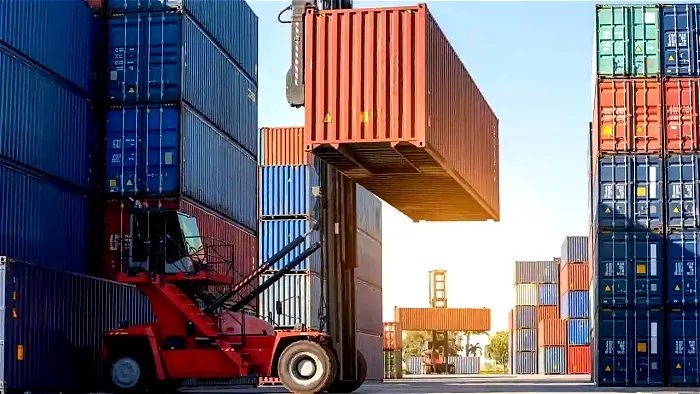
A freight forwarder manages the shipping process, while a freight broker connects shippers with carriers. Forwarders are often used for international freight, customs paperwork, warehousing, and multi-leg shipments. Brokers are more common for domestic trucking, where the main need is finding a reliable carrier at a suitable rate.
In short, choose a freight forwarder when the shipment is complex or cross-border. Choose a freight broker when you mainly need carrier capacity for domestic freight.
What is a Freight Forwarder?
A freight forwarder is a logistics service provider that helps businesses plan and manage the movement of goods from one place to another. Instead of simply finding a carrier, a freight forwarder often coordinates multiple parts of the shipping process, such as booking transportation, preparing shipping documents, arranging customs clearance support, and managing international freight by ocean, air, rail, or truck.
In many cases, a freight forwarder does not physically move the goods with its own trucks or vessels. Instead, it works with carriers, customs brokers, warehouses, and other logistics partners to keep the shipment moving smoothly. This makes freight forwarders a good choice for shippers who need more than basic carrier matching, especially when paperwork, timing, and international shipping rules are involved.
Door to door shipping is one common model where a forwarder manages the entire journey from pickup to final delivery, handling each step along the way.
What are Freight brokers?
A freight broker is a logistics middleman who connects shippers with qualified carriers. Unlike a freight forwarder, a broker usually does not handle the freight directly or manage the full shipping process. Its main role is to help the shipper find a suitable carrier, negotiate rates, and arrange the transportation.
Freight brokers are commonly used for domestic truckload, less-than-truckload (LTL), and short-notice freight needs. For example, if a company needs to move goods from one U.S. warehouse to another but does not have a regular carrier available, a freight broker can use its carrier network to find a truck that fits the route, timing, and budget.
In most cases, freight brokers do not take possession of the goods. They act as a link between the shipper and the carrier, helping both sides coordinate pickup, delivery, pricing, and basic shipment details. This makes brokers useful when the main challenge is finding reliable carrier capacity rather than managing customs, documents, or complex international logistics.
Freight Forwarder vs Broker: Key Differences
Although freight forwarders and freight brokers both help arrange transportation, their responsibilities are not the same. The main difference is that a freight forwarder manages a wider part of the shipping process, while a freight broker mainly connects the shipper with a carrier.
|
Comparison Point |
Freight Forwarder |
Freight Broker |
|
Main role |
Manages and coordinates the shipping process |
Connects shippers with carriers |
|
Best for |
International freight, ocean freight, air freight, and complex shipments |
Domestic trucking, truckload, LTL, and short-notice freight |
|
Service scope |
Broader logistics support, including documents, customs coordination, warehousing, and multi-leg transport |
Carrier sourcing, rate negotiation, and shipment arrangement |
|
Freight handling |
May arrange warehousing, consolidation, or cargo handling through partners |
Usually does not take possession of the freight |
|
Documentation support |
Often helps with bills of lading, customs documents, and international shipping paperwork |
Usually focuses on basic shipment details and carrier coordination |
|
Typical customer need |
Managing a complex shipment from origin to destination |
Finding reliable carrier capacity quickly |
In simple terms, a freight forwarder is usually the better choice when the shipment involves multiple steps, international movement, or detailed paperwork. A freight broker is often enough when the shipper already knows the route and mainly needs help finding a carrier.
When Should You Use a Freight Forwarder?
Use a freight forwarder when your shipment is complex, international, or requires more than simply booking a truck. A forwarder is a better fit if you need help with ocean freight, air freight, customs paperwork, cargo consolidation, warehousing, or door-to-door shipping across countries.
For example, if you are importing goods from another country, a freight forwarder can coordinate the shipment from the supplier to the port, arrange international transportation, help with shipping documents, and organize final delivery. This makes forwarders useful when the shipment involves multiple steps, multiple parties, or cross-border requirements. For international or multi-step shipments, a freight forwarder is usually the better choice.
How to find a freight forwarder in China covers the key factors to consider when selecting a logistics partner. Foresmart offers one-stop freight forwarding services, covering sea freight, air freight, consolidated freight, FBA shipping, warehousing, and door-to-door delivery. With FMC Code: 031352, WCA ID: 130815, global logistics partners, and proactive shipment tracking, Foresmart helps businesses move cargo more efficiently and with greater confidence.
When Should You Use a Freight Broker?
Use a freight broker when your main goal is to find a reliable carrier for a domestic shipment. A broker is a good choice if you need truckload, LTL, regional delivery, or short-notice carrier capacity, but do not need customs support or complex international logistics.
For example, if you need to move pallets from one warehouse to another within the same country, a freight broker can help find a carrier that matches your route, schedule, equipment needs, and budget. This makes brokers useful when the shipment is straightforward and the biggest challenge is finding the right truck.
Conclusion
A freight forwarder and a freight broker can both help arrange freight transportation, but they are not the same. A freight forwarder is better for complex shipments that involve international shipping, customs paperwork, warehousing, consolidation, or door-to-door logistics. A freight broker is more suitable when you mainly need to find a qualified carrier for a domestic truckload or LTL shipment.
The right choice depends on how complex your shipment is. If you only need carrier capacity, a broker may be enough. If your shipment involves multiple steps, cross-border movement, or detailed logistics coordination, a freight forwarder is usually the safer and more complete solution.
FAQ
Do Freight Forwarders Handle Customs Clearance?
Freight forwarders often help coordinate customs-related paperwork, but they may work with a licensed customs broker for the actual customs entry process. This is why many international shippers use both: the freight forwarder manages the movement of goods, while the customs broker focuses on customs compliance, duties, and import requirements.
Can I Ship Internationally Without a Freight Forwarder?
Yes, but it can be difficult if you are not familiar with carrier booking, customs requirements, Incoterms, documentation, duties, taxes, and destination delivery. How to import from China in 7 steps outlines the typical process. This complexity is why many businesses use a freight forwarder to reduce the risk of delays, missing documents, and poor coordination.
Is a Freight Forwarder Responsible if Something Goes Wrong?
A freight forwarder usually takes on more responsibility than a freight broker because it may arrange storage, consolidation, documentation, and multiple transportation steps. However, the exact responsibility depends on the service agreement, shipment terms, cargo insurance, and the role the forwarder plays in that shipment.
Does a Freight Broker Own Trucks?
Most freight brokers do not own trucks. Their job is to connect shippers with motor carriers that have the right equipment, route coverage, and availability. If a company owns trucks and directly transports freight, it is acting more like a carrier, not only a broker.
Can a Freight Forwarder Also Act like a Broker?
In some cases, yes. A logistics company may offer both forwarding and brokerage-related services, depending on its licenses, network, and service model. For shippers, the important question is not just the title, but what the provider is actually responsible for: carrier matching, cargo handling, documentation, customs coordination, or full shipment management.
Why Do Freight Forwarders Charge More Than Brokers?
Freight forwarders may charge more because they usually provide broader services. Their fees can cover documentation, cargo consolidation, warehousing, customs coordination, booking space with ocean or air carriers, and managing multiple parties. A broker’s fee is usually tied more directly to arranging transportation with a carrier.
Do I Need a Freight Forwarder for Amazon FBA Shipping?
If your FBA shipment is international, involves multiple suppliers, requires labeling or palletizing, or needs delivery appointment coordination, a freight forwarder is often useful. For simple domestic moves to an Amazon warehouse, a broker or carrier may be enough, but international FBA shipping usually requires more logistics coordination.
What Documents Does a Freight Forwarder Help With?
A freight forwarder may help coordinate documents such as the commercial invoice, packing list, bill of lading, air waybill, certificate of origin, and other shipment-related paperwork. For regulated or sensitive goods, extra documents may be needed depending on the product, origin, destination, and transport mode.
Freight forwarders often help coordinate customs-related paperwork, but they may work with a licensed customs broker for the actual customs entry process. This is why many international shippers use both: the freight forwarder manages the movement of goods, while the customs broker focuses on customs compliance, duties, and import requirements.
Yes, but it can be difficult if you are not familiar with carrier booking, customs requirements, Incoterms, documentation, duties, taxes, and destination delivery. How to import from China in 7 steps outlines the typical process. This complexity is why many businesses use a freight forwarder to reduce the risk of delays, missing documents, and poor coordination.
A freight forwarder usually takes on more responsibility than a freight broker because it may arrange storage, consolidation, documentation, and multiple transportation steps. However, the exact responsibility depends on the service agreement, shipment terms, cargo insurance, and the role the forwarder plays in that shipment.
Most freight brokers do not own trucks. Their job is to connect shippers with motor carriers that have the right equipment, route coverage, and availability. If a company owns trucks and directly transports freight, it is acting more like a carrier, not only a broker.
In some cases, yes. A logistics company may offer both forwarding and brokerage-related services, depending on its licenses, network, and service model. For shippers, the important question is not just the title, but what the provider is actually responsible for: carrier matching, cargo handling, documentation, customs coordination, or full shipment management.
Freight forwarders may charge more because they usually provide broader services. Their fees can cover documentation, cargo consolidation, warehousing, customs coordination, booking space with ocean or air carriers, and managing multiple parties. A broker’s fee is usually tied more directly to arranging transportation with a carrier.
If your FBA shipment is international, involves multiple suppliers, requires labeling or palletizing, or needs delivery appointment coordination, a freight forwarder is often useful. For simple domestic moves to an Amazon warehouse, a broker or carrier may be enough, but international FBA shipping usually requires more logistics coordination.
A freight forwarder may help coordinate documents such as the commercial invoice, packing list, bill of lading, air waybill, certificate of origin, and other shipment-related paperwork. For regulated or sensitive goods, extra documents may be needed depending on the product, origin, destination, and transport mode.