
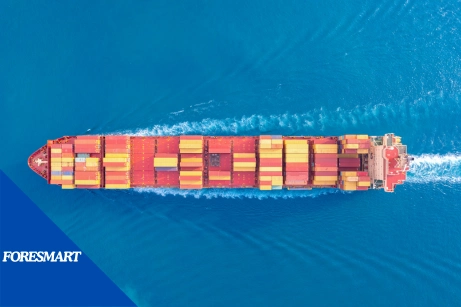
In a world where time is of true essence, optimizing sea freight transit time can mean a difference between profit and loss, or satisfaction and disappointment. As part of long-term efforts to cut down greenhouse gases, legislation now requires slowing down the ships.
So, you must want to know the exact sea freight shipping time to ensure a smooth supply chain. Here is everything you need to know about sea freight transit times and possible delay.
What are sea freight transit times?
Transit time is simply the duration spent between the departure of goods from their pickup location to the final destination. In the case of sea freight, this time is usually counted in days or weeks. It’s important to have an estimate of sea freight duration before sending your goods via this mode of transportation
Factors that affect sea freight transit times
Just like road transport depends on several factors like vehicle, road traffic, speed, etc, sea freight duration also depends on several factors. However, unlike road transport, it’s difficult to gauge the effects of such factors on sea freight shipping on your own, as understanding the waves is not a downhill task.
But here we have simplified how these factors affect your sea freight shipping time to help you calculate sea freight time.
Related Reading: What Is Sea Freight Forwarding?
Geographical distance and port locations
The most obvious factor is the geographical distance between the initial and final destination. If the port-to-port distance is longer, it, of course, will take more time.
For example; shipping a container from Shanghai to Los Angeles will take significantly longer than shipping it from Shanghai to Tokyo due to the greater distance involved.
But it is not as straightforward as you think. The location and accessibility of ports make a big difference. For example, ports on major shipping routes can cut down travel time, while those off the main path can cause delays due to the need for detours.
Plus, the efficiency of the port operations can also unbalance the equation. Some ports are well-known for their speedy processing times, while others may face delays due to logistical challenges.
Another key factor is whether the shipping route is direct or includes multiple stops. Direct routes usually get goods to their destination faster than routes with several stops along the way.
Carrier schedules and reliability
The track record of carriers also plays a huge role in estimating sea freight duration. If the carrier is reliable with consistent schedules, you can expect timely delivery and minimal disruption in the supply chain.
On the other hand, if your chosen carrier has a long history of frequent delays or abrupt changes in schedules, sea freight shipping time may be extended. That’s why it matters a lot to factor in the historical performance of carriers while planning to get sea freight services.
Seasonal variations and weather conditions
Weather impact on shipping is undeniable, especially if your goods are being transferred through waves. If the sea is rough, the winds are strong, or even if there’s fog, it’s illogical to expect timely deliveries. Moreover, environmental factors like jellyfish swarms or algal blooms can also disrupt normal sea freight plans.
Plus, just like road shipment, the peak traffic season like holidays can lead to increased port congestion delays. So, you must consider such seasonal and weather factors for efficient shipping route planning.
Legislation impact
In recent years, new laws have been introduced to cut down the shipping industry’s carbon emissions. What these laws essentially demand is to reduce the shipping speed, a practice called “slow steaming”. This helps save fuel and reduce pollution. According to reports, a 10% drop in shipping speed can reduce emissions by 30%. However, this also means a longer sea freight time.
Port clearance time
Transit time is just a part of the equation. When your goods arrive at the destination port, it has to pass through shipping documentation, customs clearance, and cargo inspection. Besides, loading and unloading can take a significant chunk of time. For example; unloading a vessel with up to 24,000 TEU can take 1-3 business days.
So, how long it takes to clear the port quay depends on how quickly you can pass through these steps. As mentioned earlier, ports with streamlined operations and modern technology can significantly reduce shipping time, while their counterparts can induce delivery delays.
FCL and LCL shipping
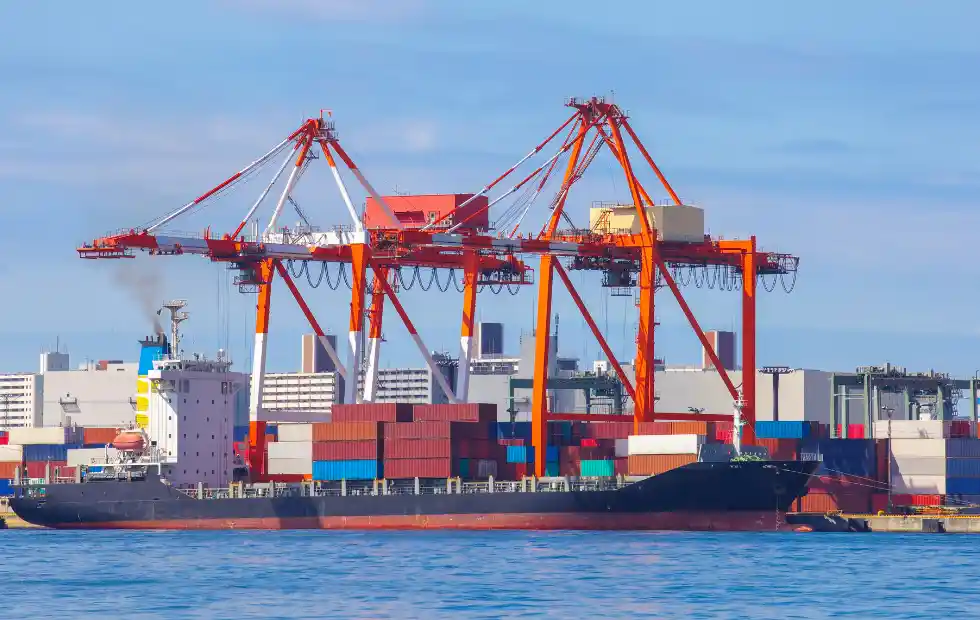
The choice between FCL (Full Container Load) and LCL (Less than Container Load) not only affects the cost but also the transit times. FCL is typically faster than LCL, why?
FCL shipment
FCL shipment means your goods will be packed at the origin port and will be unloaded in the destination port. There is no handling of your goods, no port stops, no consolidation or deconsolidation. All these elements logically reduce sea shipping time. Plus, FCL gives shippers an option to choose shipping lines and transit routes which also speeds up the process.
LCL shipment
For LCL shipment, on the other hand, your goods share space with several others. This means your goods will be consolidated at the departure port, and then deconsolidated on arrival. For deconsolidation, your goods need to be transported off the quay to a separate warehouse, which can take an additional 3-5 days.
Besides, the carrier will stop at several ports to load or unload the goods. The more a ship stops, the more it encounters bottlenecks, especially in busy ports or during peak seasons.
How long are sea freight transit times?
As you can see there are several factors that impact sea freight time. However, if we make a rough estimate, sea freight shipping time usually takes 20 to 45 days. Now you might ask why such a diverse range of sea freight transit times.
Because there are so many ways to ship.
With around 107,000 different UN Codes for Trade and Transport Locations (UN/LOCODE), transit times can vary a lot.
Here is a general breakdown of sea freight duration to get you an estimate;
|
Within the continent (short distance) |
1-2 weeks |
|
Between the continents (medium distance) |
4-6 weeks |
|
Transatlantic shipping |
8-12 weeks |
So how long does sea freight take from China or anywhere? Here is some specific regional information on sea freight shipping time. But of course, these will just be the average sea freight durations for direct services on some specific routes. The exact transit times may vary, so the best in your interest is to consult your freight forwarder, and factor in potential delays and additional factors that may affect your sea freight shipping.
Sea freight transit time from China to the USA
The average sea freight transit times from China to the USA is around 14 to 20 days.
Related Reading: Shipping from China to the USA.
Sea freight duration from China to Australia
Typically, it takes about 25 to 35 days to ship cargo from China to Australia. However, these times can stretch out, especially around Chinese New Year, when holiday schedules can slow down port processing and freight movement.
Related Readin: Shipping from China to Australia
Sea freight transit time from the USA to Singapore
Shipping goods from the USA to Singapore usually takes between 15 to 25 days. But again, it depends on the time of year, the volume of cargo, and specific processing requirements.
Sea freight transit time from China to Europe
You can expect transit times of 30 to 45 days when shipping from China to Europe. The reason for such a long sea freight transit time is that the journey covers a long route through the South China Sea, Indian Ocean, Malacca Strait, and Suez Canal.
Besides, according to the present situation, sea freight shipping companies usually navigate around the Cape of Good Hope in Africa to reach Europe, which extends the transportation time and increases the sea freight costs.
Related Reading: Shipping from China to Europe
Sea freight transit time from the UK to Australia
The ocean freight transit times from the UK to Australia vary by destination port but usually take between 30 and 40 days.
How to estimate sea freight shipping times?
You certainly have witnessed the road transport, so you can immediately estimate how long it will take for a shipment to travel from point A to B, considering all the factors. However, sea freight shipment is much more complicated, and someone who does not have much acquaintance with waves, can not precisely estimate the sea freight transit times between ports or from door to door.
Then, how can we predict the sea freight time before sending the shipment? Here are a few ways you can use to get a rough estimate of it:
Transit time calculator
This is a simple way to estimate how long it will take for your goods to reach your port. If you know your chargeable weight, just enter it into the transit time calculator (you can find some calculator tools online) along with pick-up and final location information to get an estimate of sea freight duration.
Related Reading: How Sea Freight is Calculated?
Consult freight forwarders
The only problem such calculators have is they do not consider seasonal variations or customs issues. Therefore, you need expert help from sea freight forwarders, who will utilize the historical data to help you get the closest figure about the shipping time you need.
Shipping companies
Modern ocean freight companies offer robust tools and services that allow shippers to get a correct estimate of the shipping time. These resources also include all the factors that can lead to sea freight shipment delays.
Additionally, with advancements in technology, you can monitor and track your ocean shipments in real-time. For example, you can enjoy complete visibility of your shipment process using GPS tracking and Online Portals.
Tips for minimizing sea freight transit times
Sea freight is an inherently slow mode of shipment. Plus, delivery delays are quite probable. But can you cut this time to save the money value of time? Of course, you can. Here are a few practical tips to follow:
Avoid peak season
As said earlier, shipment at peak seasons can incur delivery delays. In the case of sea freight, the peak season is usually from July to October when retailers stock up for Christmas. So, try to avoid these months if your business allows.
Instead, turn to quieter months of the year, such as March, right after Chinese New Year when shipping volumes drop. If you can be flexible, shipping during this time can help you cut down on time.
Plan multiple shipping routes
Going with the saying; spread your risks to minimize your losses. If one route is delayed due to weather or political issues, having a backup route can save valuable time.
Keep in touch with sea shipping news. This will help you stay informed of potential disruptions in advance, so you can reroute your cargo efficiently.
Consult with freight forwarders
As said earlier, sea freight forwarders are key to having a seamless shipment experience. Besides managing your sea shipment, they can provide insights into the most efficient routes and optimal shipping times. This will help you avoid costly delays and the frustration associated with it.
Final words
By having an accurate estimate of sea freight transit times, you can streamline your supply chain, keep less inventory on hand, and respond quickly to market needs. Besides, you can reduce the transit time by opting for quieter months of the year as well as by diversifying your routes.
FAQs
How long does sea freight take?
The average time a freighter can go across the Pacific Ocean is anywhere between 20 to 45 days. However, the exact sea freight duration varies depending on several factors, such as the distance, season, weather, and speed of the carrier, among others.
How fast do freight ships travel?
The average speed of a sea freight ship ranges between 17 to 24 knots. However, the cargo vessel speed depends on factors like the size of the ship, gross tonnage, fuel capacity, TEU capacity, propulsion system, and more.
Is sea freight faster than air?
As compared to land and air freight, shipping across the waves is slower. As a rough estimate, air freight can range from 5 to 10 days while sea shipping can take anywhere between 20-45 days or more.