
Sending a parcel to another city is easy. Simply drop it off at your local post office or schedule a pickup, and your parcel will be on its way. But international trade is much more complex than that, especially if you are planning sea freight.
Custom clearance, documentation, route selection, scheduling, the list of head-scratching tasks goes on. But luckily, ocean freight forwarding services are there to ease your journey.
So, what is a sea freight forwarding, and how can it streamline your shipment? Read on to know!
Understanding Sea Freight Forwarding Services
Sea freight forwarding is a process that involves organizing the shipment of goods from the origin to the destination. This process is usually carried out by a third party, known as a freight forwarder.
Sea freight forwarders can be an individual or a company that streamlines the shipment of your goods across the sea. They are not the ship operators or shipping carriers, they are actually the middlemen who can take you through the complicated sea freight process with utmost ease.
These specialists understand the processes, documentation, custom protocols, and other shipping requirements. Besides, they use the trusted contacts from their “black book” to find out the best routes and negotiate reasonable rates for their customers.
Simply put, sea freight forwarding manages the whole process on behalf of the shipper.
Sea Freight Forwarding Process
A sea freight agent handles almost all aspects of logistics in shipping. As sea freight is a complex process, it involves multiple complex stages that require careful attention and seamless coordination.
Freight forwarders, with their valuable industry experience, manage all these stages as seamlessly as possible. They understand the correct procedure for sending goods via sea vessel and what to do if anything goes wrong. Here is how sea freight forwarding works:
Booking & Reservation
The ocean freight forwarding process starts when a shipper reaches out to a freight forwarder to book a space on a sea vessel. The sea freight forwarder subsequently connects with shipping lines to secure the required space and schedule.
However, it’s not just about booking a space aboard the ship, it involves crucial steps that directly impact your shipment.
For example, they find the most reliable route and carrier based on factors like cargo volume, transit time requirements, destination, etc. In addition, as said earlier, they negotiate with the carrier companies to get competitive rates.
Documentation & Customs Clearance
After this thoughtful process, the sea freight forwarding services move to the next crucial stage, which is documentation. When your goods arrive at port, they need to pass export customs clearance that won’t be complete without some documents.
These include a bill of lading, packing list, commercial invoice, and several other documents relevant to export customs. But, getting goods through customs involves more than just filling out forms.
Sea freight forwarding companies need to understand international laws, tariffs, and trade agreements. Besides, they have to keep up with constantly changing regulations (for sensitive goods, for example) to ensure everything is in order.
So, sea freight forwarders need to put in a lot of hard work to ensure all documents comply with customs regulations. So your goods can pass through the checkpoints at the port with ease without disrupting the supply chain.
Cargo Handling & Consolidation
Before your goods can be loaded onto ships, ocean freight forwarding companies closely analyze your goods to ensure they are properly prepared for transportation. This includes checking the labeling, packing, and marking of cargo.
In addition, they also consolidate your goods if you opt for Less Than Container Load (LCL) shipments. In LCL shipment, the sea freight rate depends on the volume of goods. In general, the more space your goods take, the more you have to pay.
In the case of FCL (Full Container Load) shipment, sea freight forwarders send carriers to the shipper’s location for loading.
Real-Time Tracking
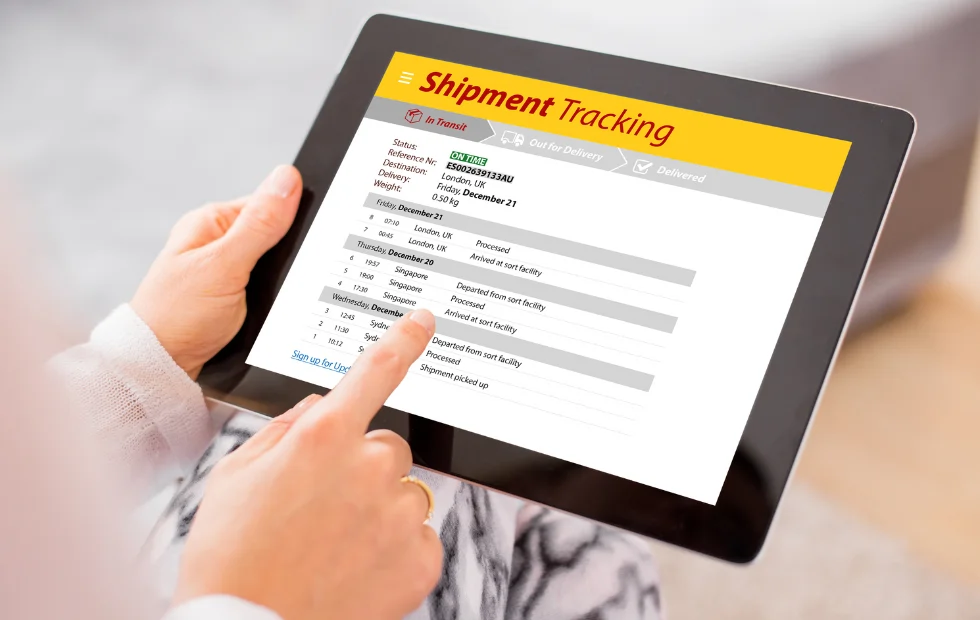
The role of a sea freight forwarder does not end here. During shipping, the sea freight forwarder keeps you updated on where your cargo is and its status. Using advanced sea freight tracking tools, they give you real-time updates on your shipment’s progress. This way, you can manage your supply chain more efficiently with complete visibility.
Delivery & Distribution
After your goods arrive at the destination port, the customs clearance again tries to bite you, but freight forwards save your life once again. They can handle the import customs clearance for you.
Afterward, they arrange the transportation for transferring goods to the final destination, that is, the importer’s doorstep. For this purpose, they secure trucks, rail, or other relevant modes of transport. But before that, if it’s an LCL shipment, the sea freight forwarders de-consolidate your goods first at the container freight station.
If everything goes well, goods are supplied to the consignee on time, and there are no unnecessary delivery delays. Throughout the whole process, they provide their guidance and support to your delivery.
Cargo Insurance
Sea freight is usually a safe mode of transportation, but life can throw unexpected curveballs. There may be an accident, a natural disaster, or maybe a piracy attack. In such cases, ocean freight forwarding services can help by advising on good cargo insurance to cover potential losses.
Ocean freight forwarding companies work with their clients to evaluate shipping risks and recommend the right insurance to reduce possible damages, which protects you financially and provides peace of mind along the way.
Challenges in Sea Freight Forwarding
For the general public and even for a shipper, ocean freight forwarding involves just moving boxes from point A to point B. But behind the curtains, the process is much more complicated and time-consuming.
The forwarding process involves several key challenges, such as:
Ocean Freight Regulatory Compliance
Every country has different import and export requirements and international trade rules. Plus, these rules and regulations constantly change, making it vital for sea freight forwarders to keep up with them.
Not following these regulations can lead to delays, fines, or cargo being seized. And forwarding companies would never want to disrupt your supply chain or your business relations. That’s why, they stay abreast of changing import/export laws, tariffs, and trade agreements. One way they combat the diversity of trade regulations is by having local expertise in each country.
Environmental Concerns
Though maritime shipping is considered a more environmentally friendly mode of transport as compared to air shipping or land shipping, it still raises environmental concerns.
These include air and water pollution, biodiversity loss, greenhouse emissions, etc. So, there is a constant pressure of implementing sustainable practices and reducing the environmental impact.
Plus, some legislation now demands slowing down the speed of a carrier to reduce the carbon footprint. This, in turn, can induce delivery delays.
Supply Chain Disruptions
Besides environmental concerns, many other factors can lead to supply chain disruptions. This includes natural disasters, labor strikes, geopolitical tensions, equipment shortages, and port congestion.
These can cause delays, rerouted shipments, higher costs, and inefficiencies. However, reliable ocean freight forwarding companies manage these risks by having careful planning, backup strategies, and good communication among stakeholders.
Advantages and Disadvantages of Freight Forwarding
Now that you basically know how ocean freight forwarding works and how reliable service providers can handle the challenges of sea freight, you might ask if you should seek an ocean freight forwarding company.
Here is the breakdown of the advantages and disadvantages of sea freight forwarding. Go through them, weigh the pros and cons, and then make a decision that works best for your business.
Advantages
Freight forwarding companies wear many hats to bring peace of mind to their customers. Some common benefits include:
Cost-Effectiveness
With their expertise and industry connections, it’s easy for forwarding companies to get competitive rates for your shipment. They would negotiate with carrier companies for better prices, as well as optimize routes to avoid costly delivery delays.
Expertise and Experience
Experienced freight forwarding companies have the necessary expertise to help you get through the complex freight forwarding process.
A Streamlined Service
Ocean freight forwarding services cover the entire logistics chain, from pick-up and packing to booking cargo space and handling customs. When someone can carry all the burden for you, why not spare your time to focus on things that need your attention?
Compliance
Import and export is a complex web of compliance requirements. No matter how adept a shipper you are, you need an expert to help you understand the comprehensive set of documentation and customs clearance.
Value-added Services
Freight forwarding companies can be your one-stop solution for your logistical needs. Besides handling the port-to-port or door-to-door delivery of your goods, an ocean freight forwarder like Foresmart can offer additional services such as warehousing, inland transportation, cargo tracking, etc.
Disadvantages
However, you must be aware of any drawback that comes when you hire those experts for your sea freight. These drawbacks include:
Limited control
Outsourcing logistics means giving up some control over the shipping process and relying on the forwarder’s expertise and communication. Such a scenario can cause problems for your business if the shipping protocols are not clearly communicated and agreed upon prior to initiating the process.
Hidden Costs
Ocean freight forwarding services can sometimes involve additional charges, such as documentation fees, terminal handling fees, and surcharges that may not be immediately apparent. However, reliable forwarding companies are transparent about their services, including fees.
Legal Structure of Sea Freight Forwarding
Sea freight forwarding services can vary in their setup based on how the sea freight forwarders run their business and what their clients need.
Some are part of larger logistics or shipping companies. They offer services like warehousing, distribution, and customs brokerage alongside freight forwarding. Being part of a bigger organization means they have more resources, infrastructure, and support, which can be advantageous for their clients.
Others operate independently as standalone businesses or small firms. An independent ocean forwarder might focus on specific industries, trade routes, or types of cargo. They often provide more personalized services tailored to their client’s needs and can adapt more easily to changing market conditions or client requirements.
When choosing your shipping assistant, it’s recommended to select one with an ocean freight forwarder license, such as those licensed by the FMC. You can click here to check Foresmart’s FMC credentials.
Whether part of a larger company or working independently, freight forwarders are essential in international trade. Both ocean and air freight forwarding manage the logistics and transportation of goods, navigating complex supply chains, customs regulations, and transportation networks. All their efforts translate into efficient movement of your goods across the aquatic borders.

Final Words
Sea freight forwarding is the backbone of international trade. But despite its key existence, the complicated process of sea freight can sometimes scare the shippers. However, freight forwarding companies can bring in their valuable expertise and experience to make smooth shipment possible.
From booking and documentation to custom clearance and distribution, these freight forwarding services can streamline the whole process. Besides, a sea freight forwarder saves you money using their expertise in the industry. So, choose the best sea freight forwarder like Foresmart and get rid of the hassle involved in international shipping.
FAQs
What is sea freight forwarding?
Sea freight forwarding is the process of transporting goods via sea vessel from point A to point B, on behalf of the shipper. A sea freight forwarder manages the paperwork, booking, customs clearance, coordination with carriers, and many other tasks required to ship goods across the sea.
What is a Document Transfer fee?
It is a fee charged to freight forwarding companies for the transfer of documents. Importers pay this fee at the importing port when goods arrive, while exporters pay it at the port of origin when goods are dispatched.
How do sea freight forwarding services save the shippers’ money?
Forwarding companies can optimize the most feasible route based on fuel prices, transit time, and other fees. They negotiate with multiple carriers for competitive prices. In addition, these forwarding companies offer consolidated freight services to reduce customer’s shipping costs.